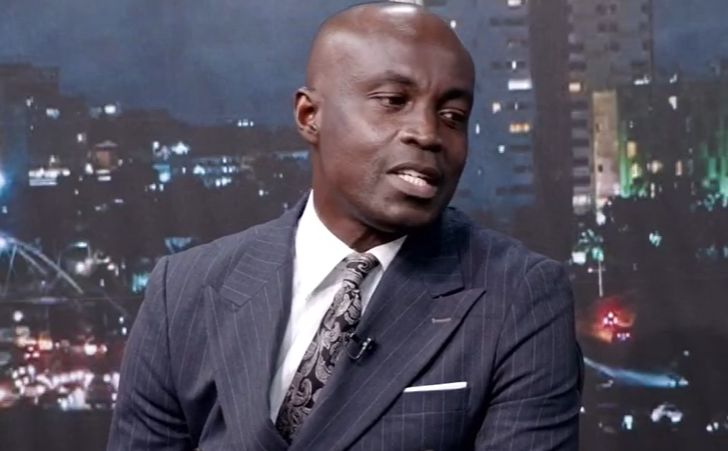
Director‑General Patience Baffoe‑Bonnie told the Public Accounts Committee that family neglect, social exclusion and limited job opportunities are key reasons former inmates are re‑sent to prison. She cited an Auditor‑General report showing that inmates from 15 of Ghana’s 45 prisons were rearrested between 2020 and 2025, even with an inmate support programme in place.
Baffoe‑Bonnie warned that vocational training alone cannot curb reoffending if released prisoners cannot secure work or housing. She highlighted that while inmates receive food, water, accommodation and sanitation in custody, they must shoulder all household bills once free, often without a steady income.
She noted that the first three months after release are critical, as former inmates scramble to meet basic needs. Without help, some turn to former acquaintances offering illicit earning opportunities, increasing the risk of re‑offending.
The Director‑General questioned the long‑term impact of training in trades such as tailoring and carpentry, pointing out the gap between skill acquisition and employment. She said the Service has secured 30 % of Ghana Education Service contracts for sewing and carpentry, yet lacks adequate factory infrastructure to meet production demands.
To bridge this gap, Baffoe‑Bonnie urged stronger partnerships with industries, factories and private companies, proposing factories linked to prison facilities that could operate 24 hours. She also discussed plans for parole and community service arrangements that would allow former inmates to continue working in familiar workplaces while reintegrating into their communities.
The Director‑General stressed that the success of these proposals hinges on job availability, employer cooperation, and robust supervision and support for ex‑prisoners.
She called for additional resources and logistical support to establish production facilities, expand rehabilitation activities and measure their impact more effectively, aiming to reduce financial hardship that drives re‑incarceration.