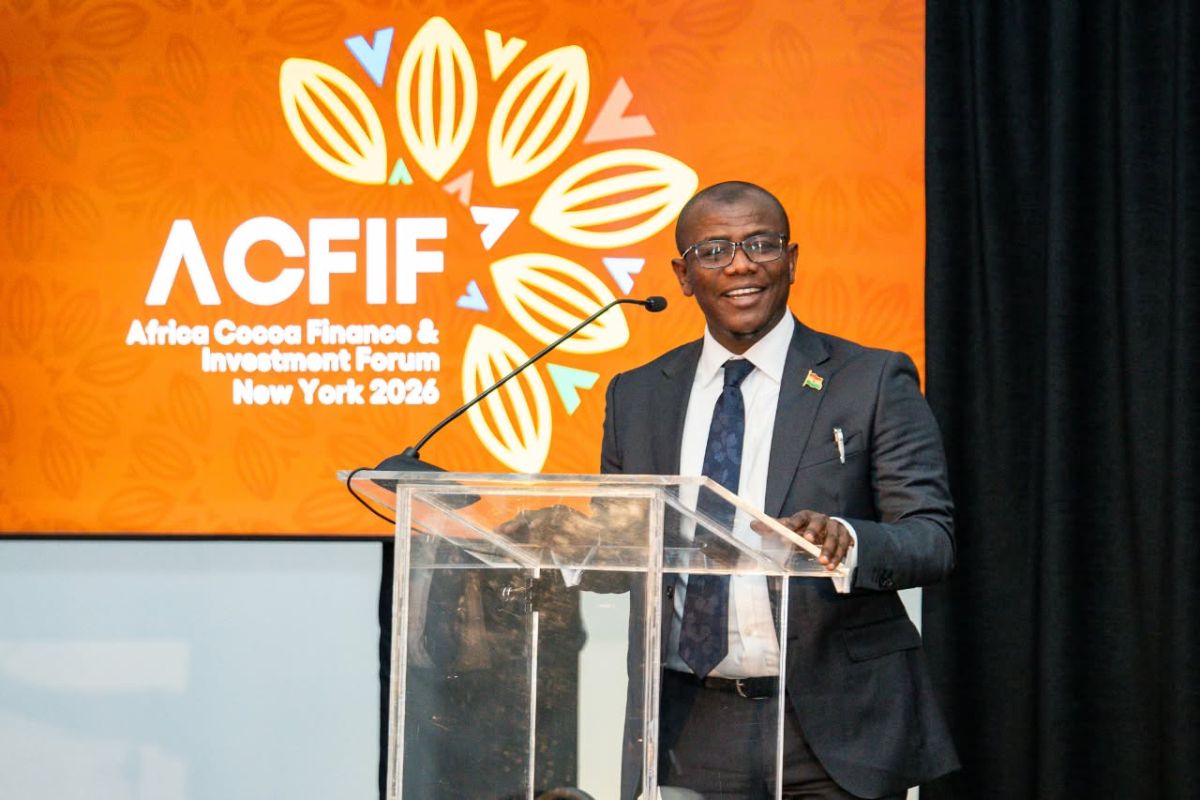
On Monday, the Africa Cocoa Finance & Investment Forum (ACFIF) 2026 convened at 48 Wall Street, New York, bringing together policymakers, financiers, commodity traders and processors from Africa, North America and Europe. The agenda centered on unlocking value across the cocoa value chain and steering the continent toward greater industrialisation and value retention in producing countries.
Fuad Abubakar Mohammed, Executive Director of Cocoa Trade and Invest Africa (CTIA) and Lead Convenor of ACFIF, said the discussions reflected a growing consensus that Africa must move beyond being a raw cocoa bean supplier and become a significant player in processing, manufacturing and value‑added exports. “The future of Africa’s cocoa sector lies not only in producing more cocoa but in capturing more value from every tonne produced,” he noted.
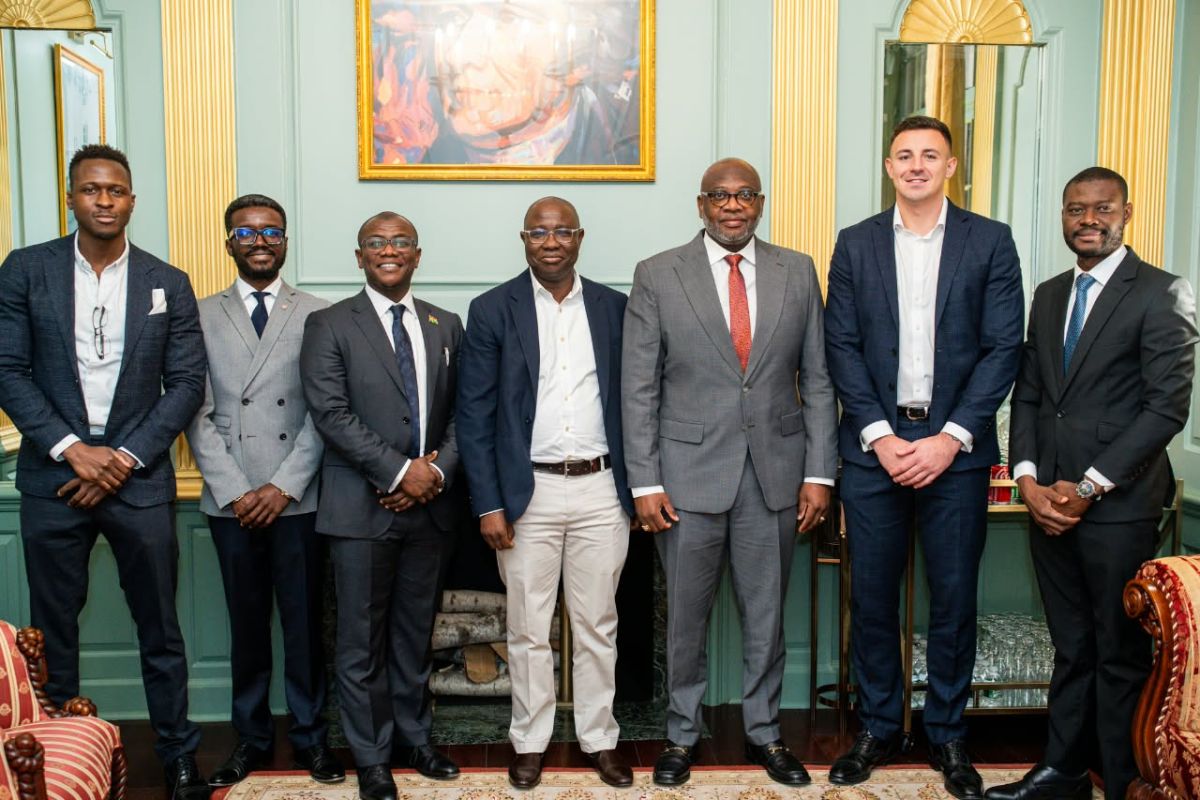
A key highlight was Dr. Ransford Anertey Abbey, Chief Executive of the Ghana Cocoa Board (COCOBOD), who outlined Ghana’s new cocoa financing framework. The country is shifting from an offshore syndicated loan model to a market‑driven structure anchored by Cocoa Capital PLC’s GH¢16.3 billion securities programme. Abbey explained the framework aims to mobilise domestic and institutional capital, support increased processing, strengthen value retention and create a more attractive environment for long‑term investment across the cocoa value chain.
Ambassador Aly Touré, Côte d’Ivoire’s Permanent Representative to International Commodity Organizations, delivered a keynote calling for a more equitable global cocoa economy that delivers greater benefits to producing countries and farming communities. Speakers stressed the need for investment in processing capacity, industrial infrastructure, sustainability initiatives, climate resilience, logistics, technology and market development.
The forum showcased practical investment‑led growth examples. Presentations highlighted bankable opportunities across the cocoa ecosystem, while private‑sector case studies from companies such as Nigeria‑based Sunbeth Global Concepts demonstrated how African commodity enterprises can build globally competitive businesses through innovation, strategic partnerships and operational excellence.
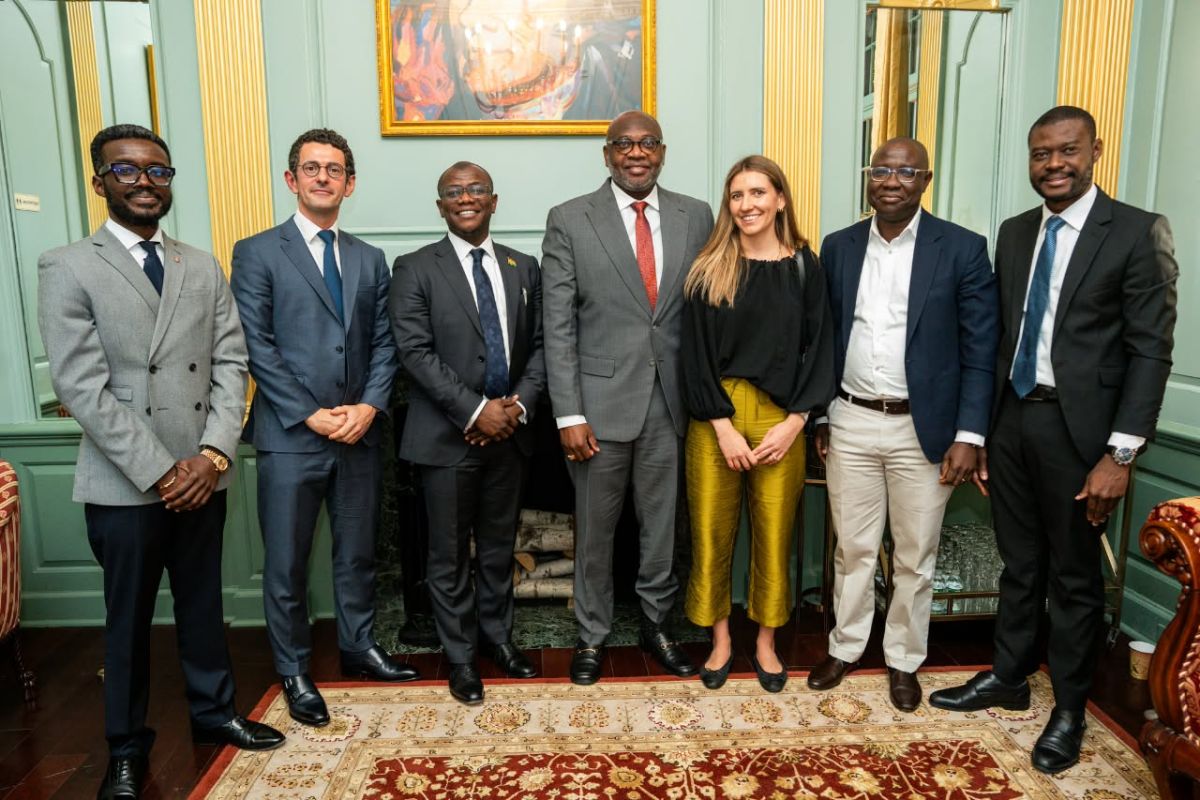
Fuad Mohammed emphasised that ACFIF’s outcomes reinforce the importance of sustained dialogue between governments, financial institutions, investors, development partners and the private sector. “The conversations in New York have moved beyond identifying challenges. The focus is now on implementation, project development, capital mobilisation and creating the conditions necessary for long‑term growth,” he said.
As the forum closed, participants renewed calls for stronger US‑Africa commercial engagement and increased private‑sector participation in cocoa processing, logistics, technology, sustainability and manufacturing. Mohammed expressed confidence that the momentum generated in New York will translate into tangible investments and deeper collaboration across the cocoa industry. The next ACFIF edition will take place in Amsterdam in February 2027.