The University of Cape Coast (UCC) today inaugurated the Africa Centre for Food Integrity (AFIC), a research hub aimed at tackling food safety and quality challenges across Ghana and the continent.
AFIC, established by UCC’s College of Agriculture and Natural Sciences, will develop mobile digital technologies that use artificial intelligence to assess food quality in real time. The goal is to strengthen food quality assurance and shield food systems from deliberate contamination and fraud.
Reverend Professor Ernest Teye, Agri‑Food Integrity expert and centre lead, said the idea was conceived nine years ago after growing concerns about endemic food contamination in parts of Africa. He noted that conventional food‑testing methods are cumbersome and time‑consuming, which prompted the push for more advanced solutions.
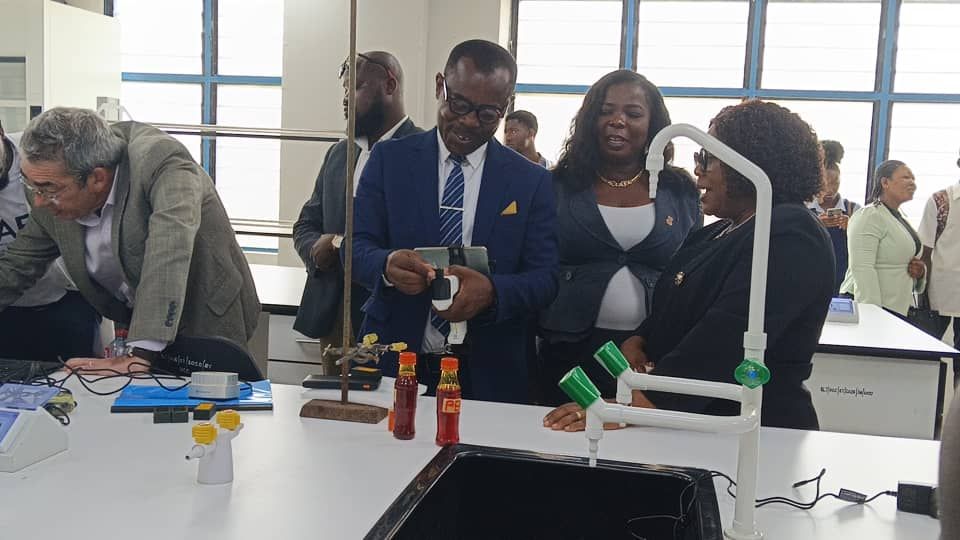
Among the centre’s first achievements is a mobile‑enabled spectroscopic device that can test palm oil safety within seconds, compared to the days or weeks required by traditional methods. Prof. Teye also unveiled a cocoa passport system that traces beans back to their place of production and announced plans to launch Spice Check, a technology that authenticates spices sold in Ghana.
AFIC will collaborate with key stakeholders, including the Food and Drugs Authority, the Ghana Standards Authority, farmers and other universities, to protect public health, safeguard livelihoods and strengthen trust in food trade. The centre will also run consumer education campaigns on food fraud and the importance of checking labels.
“All the Sustainable Development Goals will go nowhere if we cannot have a sustainable food system because food is the foundation of every SDG and so we must look at food first,” Prof. Teye stressed.
As food fraud—such as adulterating palm oil with Sudan IV dye or mixing ginger powder with sawdust—continues to threaten Ghanaian consumers, AFIC’s AI‑powered tools aim to give the public confidence that the food they purchase is safe, authentic and sustainable.