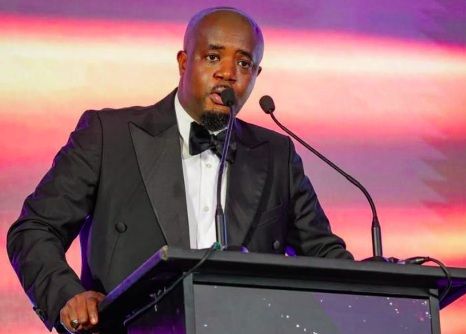
Kwabena Agyare Yeboah is a Ghanaian historian, curator, writer and cultural researcher whose work sits at the intersection of African history, cultural heritage, archives, museums, digital humanities and public knowledge. He asks a contemporary question with deep historical roots: how is African knowledge documented, interpreted, preserved, organised and made public?
Yeboah’s career offers a narrative of the evolving infrastructure of African historical knowledge. From literary and cultural criticism to exhibitions and institutional publishing, his practice has moved through archival research, digital cultural heritage, cultural mapping and new forms of digital scholarship. Rather than treating these as separate activities, he has developed a sustained practice around making African histories and cultural knowledge visible, accessible and usable in public contexts.
His trajectory is distinctive because it moves across institutions and formats. He has written public essays, developed exhibitions, curated museum shows, published institutional works, led community‑based cultural programming, worked on digital heritage projects, mapped cultural sites, conducted archival research and applied digital humanities techniques. The through‑line is a professional concern with the stewardship and circulation of African historical and cultural information.
Before beginning doctoral study in History at the University of California, Santa Barbara in 2022, Yeboah had already built a public‑facing practice in Ghana. His early work included literary and cultural criticism, historical research‑based writing and research into African intellectual, scientific, artistic and cultural histories. In 2016, Bravearts Magazine profiled him as a Ghanaian poet, writer and cultural critic, documenting his engagement with Ghanaian literature, mythology, oral traditions and Akan cultural forms. That year he earned First Runner‑Up in the GhScientific Writing Competition for an essay on Dr. Cicely Delphin Williams.
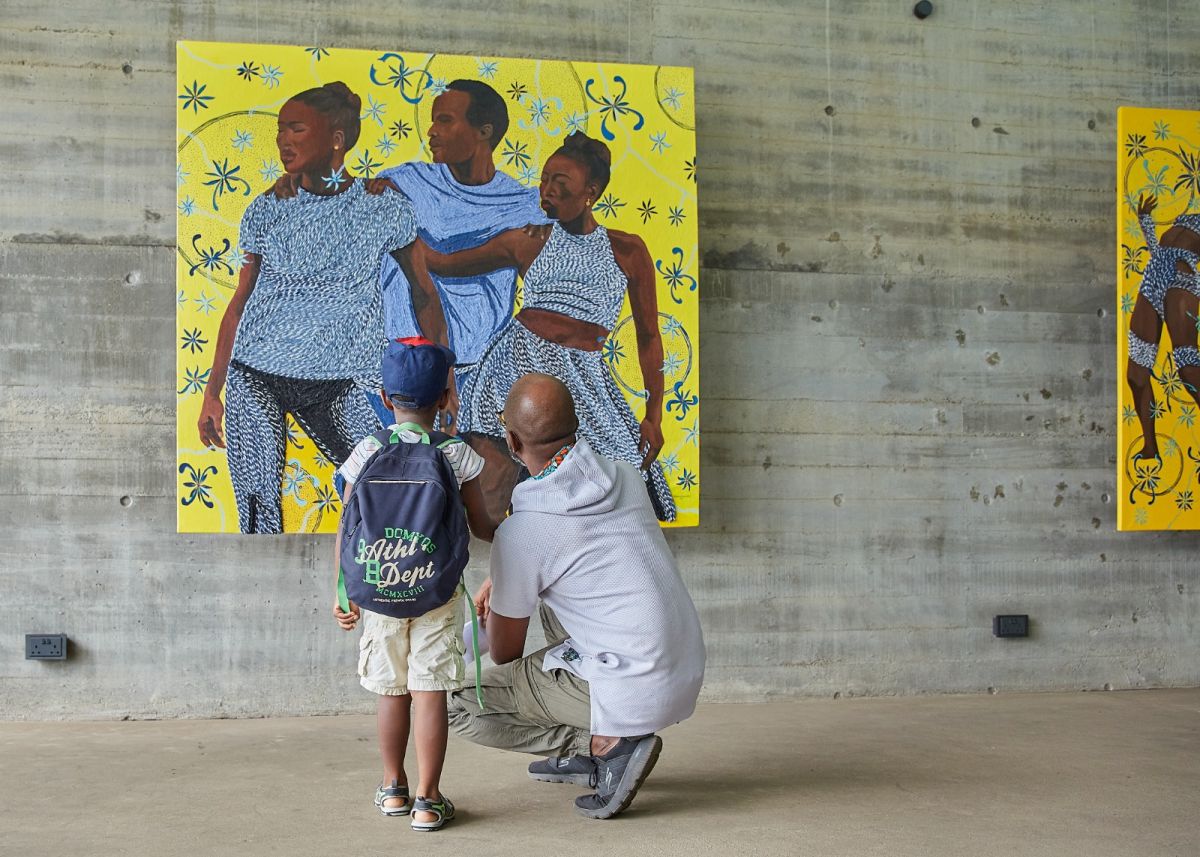
Yeboah has contributed essays on prominent Ghanaian artists such as Ibrahim Mahama, Felicia Abban, Theodosia Salome Okoh, Ablade Glover and Galle Winston Kofi Dawson. His article on Ghana’s Year of Return in African Arguments addressed public debates about historical memory, heritage and national narratives.
A major milestone was the 2019 Evolution of Science exhibition at the Museum of Science and Technology in Accra. Yeboah assembled scientific and medical histories, biographies of Ghanaian scientists and health workers, visual art, photography, poetry and scientific literature into a coherent public account of Ghana’s scientific and medical past. The exhibition illustrated his ability to convert research and documentary material into forms that enable broader publics to encounter history.
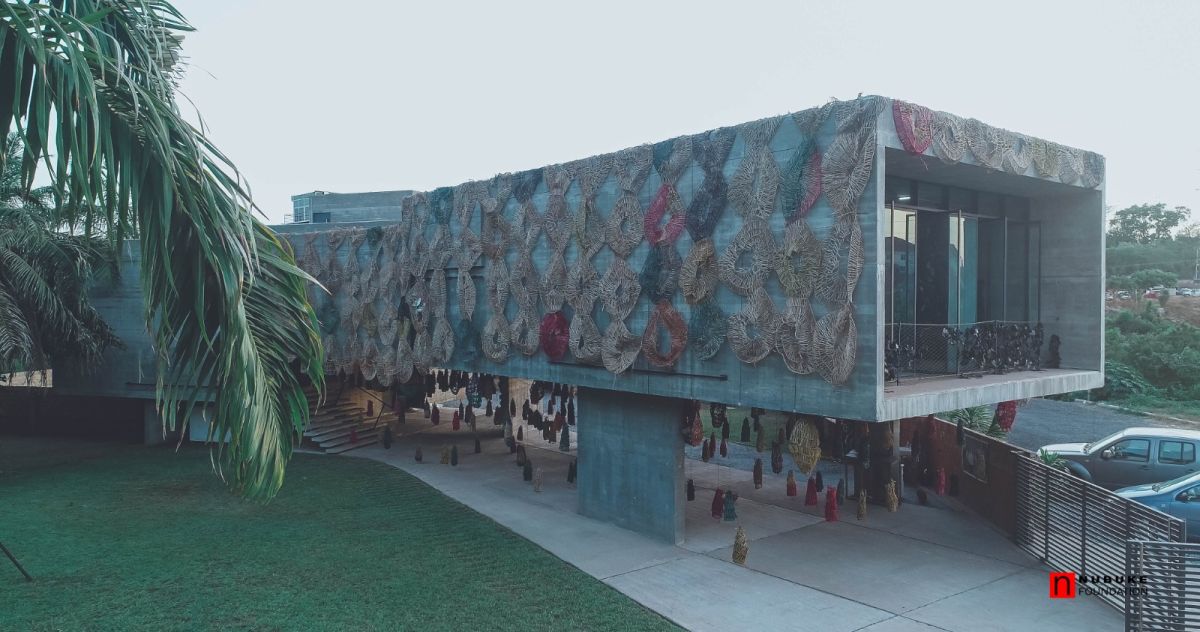
At Nubuke Foundation, Yeboah expanded his practice into digital cultural heritage through projects with Google Arts & Culture. Nubuke became the first Ghanaian institution to partner with the platform, opening Ghanaian cultural heritage to a global audience. Projects included digital documentation of Wa Naa’s Palace, Dondoli Mosque and Ghana’s independence history. Yeboah’s role as Curator for ‘5 Ways to Celebrate Ghana’s Independence’ involved organising historical and cultural materials for public digital presentation.
His work increasingly focuses on the infrastructures that produce and maintain historical knowledge. He engages in archival work, cultural mapping, digital humanities and documentation of cultural heritage, continually asking what information matters, how to establish historical context, connect knowledge to place and community, and build structures through which cultural information can be encountered and preserved.
As digital platforms become central to heritage preservation, Yeboah’s career exemplifies how historians can bridge traditional scholarship with new technologies, ensuring African histories remain accessible and relevant for future generations.