Ghana is actively courting South Korean investors to boost its automotive component manufacturing, electric‑vehicle technology and smart mobility sectors. The move comes as the government has approved the Ghana Automotive Component Manufacturing Policy and is positioning the country as a regional automotive hub.
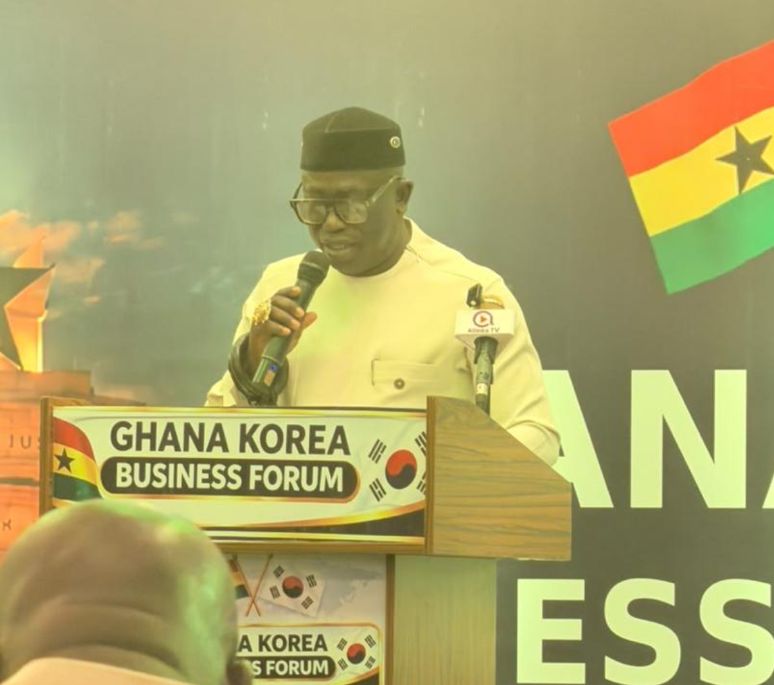
Obrempong Nana Adu Bonsu Agyekum Prempeh, President of the Chamber of Automobile Dealership Ghana (CADEG) and Group CEO of Nabus Motors, spoke at the Ghana‑Korea Business Forum 2026 held at the Mövenpick Ambassador Hotel in Accra on Thursday, November 5. He urged Korean businesses to explore partnerships with local enterprises to develop Ghana’s automotive value chain.
Prempeh highlighted component production, technical equipment and spare‑parts distribution as key areas where Korean technology and machinery could help Ghanaian suppliers meet manufacturing standards and compete for supply contracts. He noted that Hyundai and Kia are already involved in Ghana’s vehicle assembly programme, providing an existing link between Korean firms and the country’s industrial development.
He called for deeper involvement through investments that strengthen local production capacity and create opportunities for Ghanaian businesses. Emerging areas for collaboration include electric vehicles, hybrid technology and intelligent mobility, with a focus on charging infrastructure, technical skills and after‑sales service capacity.
Prempeh stressed the need for technology transfer and training opportunities to enable Ghanaian engineers, technicians and entrepreneurs to participate in the transition while creating skilled employment. He also said the success of investments would depend on the quality of services available to consumers, including reliable spare parts, competent technicians and effective after‑sales support.
He cited Ghana’s political stability and economic conditions as factors that could strengthen investor confidence, noting Freedom House’s 2026 assessment that classifies Ghana as “Free” with a score of 80 out of 100 for political rights and civil liberties. The World Bank’s August 2026 Ghana Economic Update reported real GDP growth of 6.0 per cent in 2025, while emphasising the need for continued fiscal discipline and economic reforms.
The CADEG President said the Ghana Investment Promotion Authority (GIPA) could support prospective investors with business establishment, investor aftercare and grievance resolution, as well as access to opportunities under the African Continental Free Trade Area. He urged the Korean delegation to engage directly with Ghanaian businesses, suppliers and potential technical partners to identify viable projects and establish practical investment arrangements.
Prempeh concluded, “Let us leave this forum with clear priorities, responsible counterparts and a timetable for the next discussions.” The Ghana‑Korea Business Forum 2026 brought together Ghanaian and South Korean business representatives to explore opportunities for commercial partnerships and investment, particularly in automotive manufacturing and smart mobility.