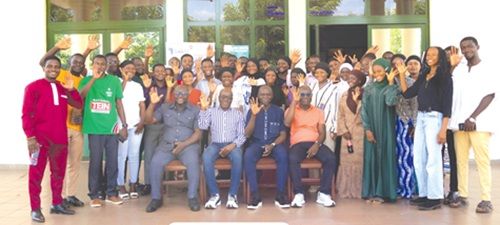
The Tertiary Education Institutions Network (TEIN) of the National Democratic Congress (NDC) and the Tertiary Students' Confederacy Network (TESCON) of the New Patriotic Party (NPP) issued a joint communiqué in Tamale after a workshop on Political Inclusion and Consensus Building. The appeal urged both parties to make youth employment a priority and to complete all projects begun by previous administrations.
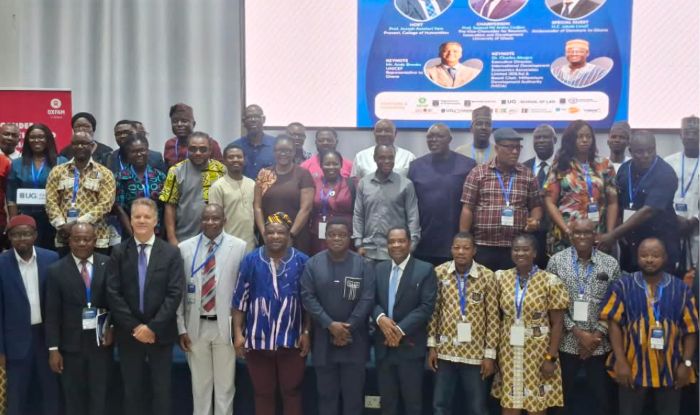
Organised by the African Centre for Parliamentary Affairs (ACEPA) with support from the Swiss Federal Department of Foreign Affairs, the workshop aimed to strengthen dialogue between young political leaders. TEIN and TESCON pledged to sustain the conversation beyond the event and to explore joint activities that build trust, tolerance and cooperation.
The networks called for sustainable policies that expand economic opportunities, promote entrepreneurship, strengthen skills development and tackle unemployment and underemployment among young people. They also proposed a national development plan that transcends party lines, setting shared long‑term priorities for policy consistency and sustainable progress.
Despite coming from different political traditions, the student groups stressed that their differences “do not make us enemies.” They described themselves as citizens of one nation under one Constitution, citing Article 41 of the 1992 Constitution. The communiqué pledged to treat political opponents as fellow citizens, keep debates focused on ideas, and avoid insults, character assassination, stereotyping, intimidation and political violence.
Both networks committed to responsible communication on television, radio and social media, to verify information and reject misinformation and disinformation. They also vowed to support peaceful, lawful and credible elections, discourage intimidation and electoral misconduct, and protect university facilities and public property while respecting the rule of law and institutional rules.
Recognising that consensus does not require uniformity, TEIN and TESCON said they would work together on common interests such as environmental protection, community service, sanitation and academic development. They pledged inclusive student leadership that serves all students fairly, regardless of political affiliation or electoral support, and committed to safeguarding academic freedom, political participation, campus safety, fairness and university rules so that politics enriches teaching and learning.
Both parties are now faced with the task of translating these student‑led demands into concrete policy actions that will create jobs and opportunities for Ghana’s youth.