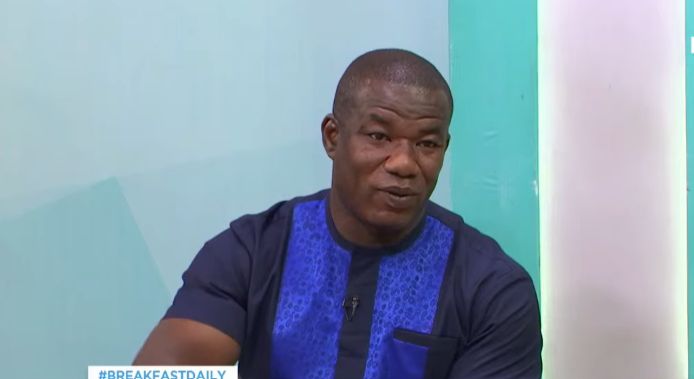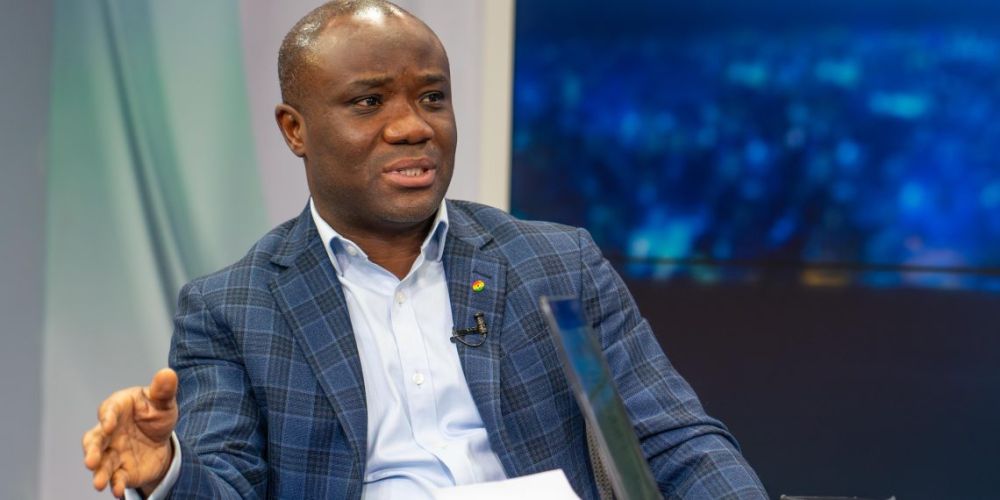
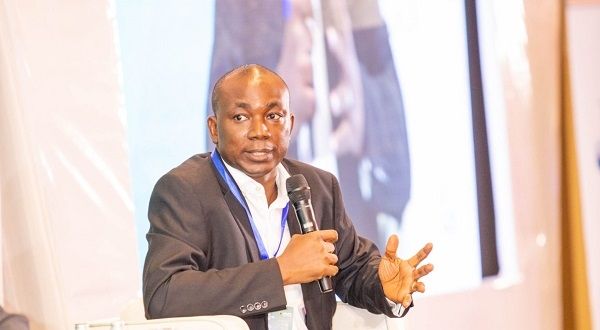
Professor Godfred Bokpin, a finance expert at the University of Ghana Business School, told Citi Business News that Ghana’s recent $1.9 billion decline in gross international reserves does not pose an immediate danger to the economy, though it highlights external vulnerabilities.
Bank of Ghana data show reserves fell from US$12.94 billion in June to US$11.07 billion at the end of August 2026, cutting the country’s import cover to 4.2 months from 5.7 months at the end of 2025.
Bokpin noted that Ghana’s reserve buildup has relied heavily on gold exports, and the ongoing Middle East conflict could dampen those flows, adding to the risk profile.
He urged the central bank to temper foreign‑exchange interventions to preserve the remaining reserves, adding that the Bank of Ghana may need to moderate market actions as it navigates the period of traditionally higher demand for foreign exchange ahead of the Christmas season.
"There should not be any panic necessarily, because we still have a considerable level of reserves to be able to fight the pressure," Bokpin said. He added that market participants might seek more foreign exchange if gold export receipts weaken, potentially pressuring reserves further.
The Bank of Ghana has already identified slower gold shipments, rising external payments and Middle East developments as risks to the country’s external position.
Looking forward, Bokpin expects a rise in foreign‑exchange demand in the final quarter of the year, warning that the central bank must manage the situation carefully as the economy anticipates liquidity injections from the government.