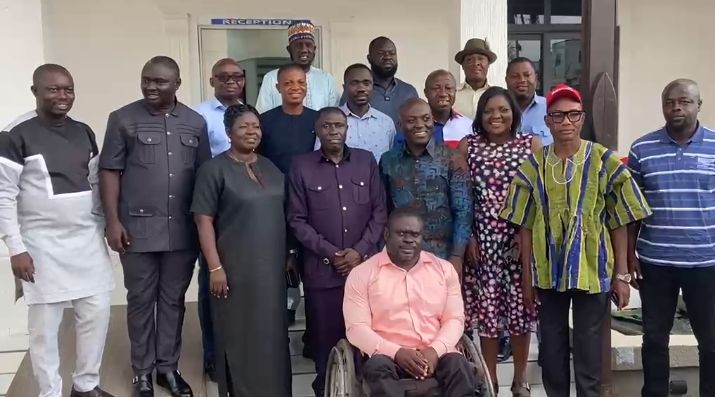
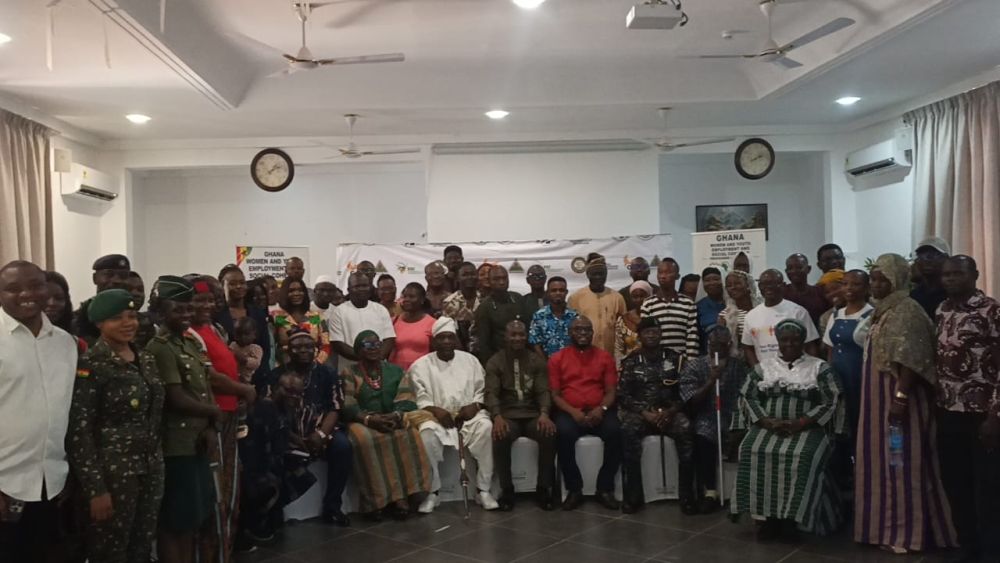
The Social Investment Fund (SIF) unveiled the Ghana Women and Youth Employment and Social Cohesion Programme (GWYESCO), a US$71 million investment aimed at creating 22,000 self‑employment opportunities and 6,000 indirect jobs for women and young people from 2026 to 2029.
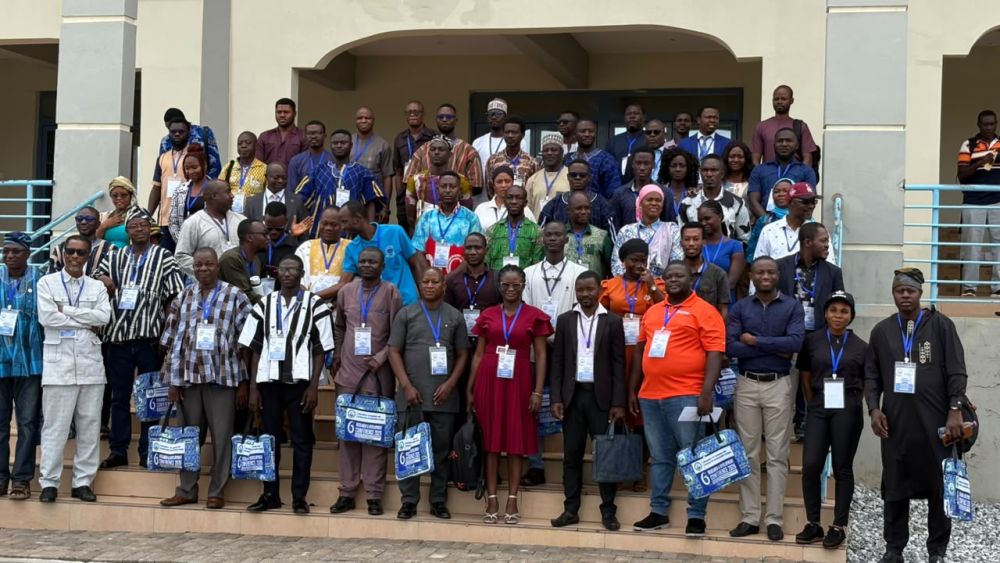
Implementing the programme under the Ministry of Finance with backing from the African Development Bank, SIF Deputy CEO Prosper Puo‑Ire said the initiative will go beyond conventional skills training by linking beneficiaries to finance, jobs and markets. “The financing component is intended to provide affordable credit to businesses that often struggle to access conventional bank loans,” he told stakeholders in Wa on 18 September 2026.
GWYESCO will offer technical and vocational training, digital and creative skills, and other industry‑relevant courses. Eight TVET centres are slated for construction and equipping, while a US$15 million financing facility will support women‑ and youth‑owned enterprises. The programme will also support production, packaging, processing and market linkages, with a focus on agriculture, livestock, agro‑processing, creative industries and digital services.
A key feature of the scheme is its results‑based financing model, whereby further disbursements are tied to measurable outcomes such as the number of beneficiaries securing wage or self‑employment, acquiring STEM, digital and creative skills, and gaining access to finance. The African Development Bank will monitor indicators including MSME support and skill acquisition.
Regional Coordinating Director Shaiku Mumuni Damma, speaking on behalf of Upper West Regional Minister Charles Lwanga Puozuing, highlighted the programme’s timely relevance and urged partners to tailor interventions to the region’s economic realities. He called for transparency and fairness in beneficiary selection, ensuring inclusion of persons with disabilities and other vulnerable groups.
GWYESCO also incorporates a social cohesion component aimed at strengthening peace and stability in northern communities by addressing vulnerabilities linked to unemployment, poverty, conflict, climate change and other destabilising factors.
Stakeholders such as the Youth Employment Agency and other implementing partners have identified construction, transport, green jobs and hospitality as sectors with high employment potential. Sustained collaboration among government institutions, private‑sector actors, financial institutions, traditional authorities and civil society will be critical to delivering measurable improvements in the livelihoods of women and young people in the Upper West Region.