At the opening of the University for Business and Integrated Development Studies’ annual research conference on September 23, 2026, Associate Adjunct Professor Saa Ditto of UDS Tamale urged Ghanaians to stop allowing valuable research to gather dust in libraries and journals. He said the country’s development challenge lies not in a lack of ideas, but in the failure to connect research findings to policymaking and implementation.
Speaking under the theme “Research for Policy: Strengthening Evidence-Informed Policymaking for Ghana’s Development,” Prof Ditto stressed that research achieves its purpose only when it moves beyond academic publications to influence decisions and address real‑world problems. He outlined a process that should begin with research, flow through policy, plans and strategies, and culminate in practical projects and programmes.
Criticising Ghana’s reliance on development partners to design projects based on government policies, he warned that external funders often shape interventions more by their interests than by local needs. He cited the agricultural sector, where plans sometimes fail to translate into concrete projects, allowing foreign donors to dictate what gets implemented. "Such an approach could result in development interventions being shaped more by the interests of funders than the needs of local communities," he warned.
Prof Ditto questioned why years of development projects in northern Ghana have not eliminated persistent poverty, arguing that interventions must be designed around beneficiaries’ needs and priorities. He called for increased investment in research and improved conditions for researchers, noting that many scholars cannot produce transformative knowledge when faced with obstacles that divert their focus.
He urged researchers to scrutinise data and assumptions from international organisations instead of accepting them without sufficient interrogation, and advocated greater integration of indigenous knowledge with scientific research. "Ghana risks losing valuable knowledge embedded in local communities if researchers fail to document and incorporate indigenous practices into contemporary research and innovation," he said.
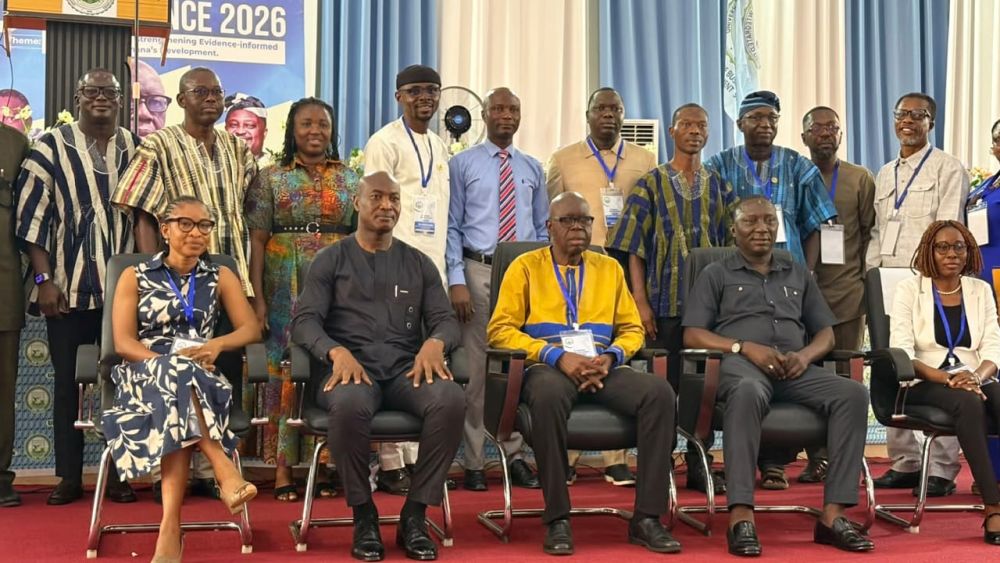
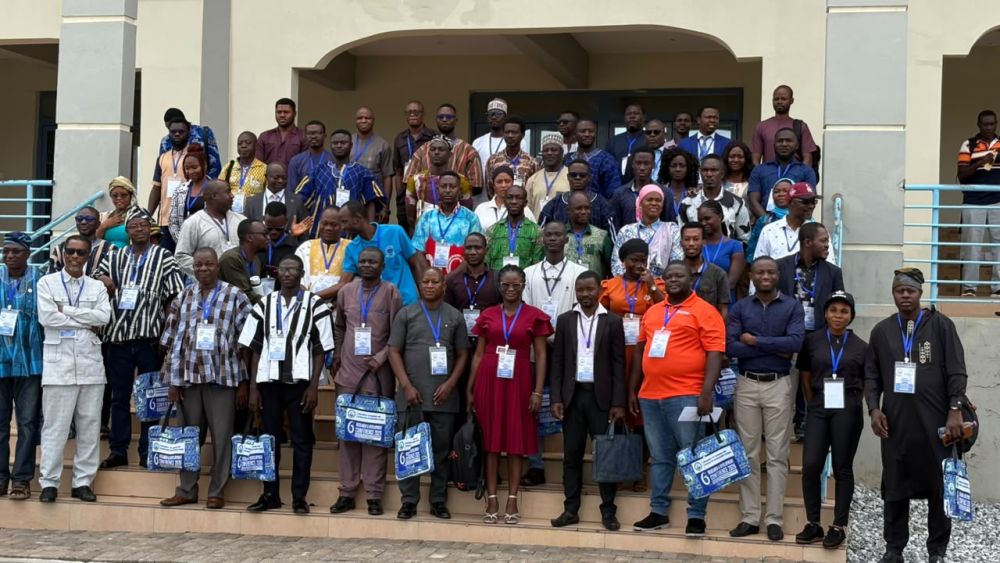
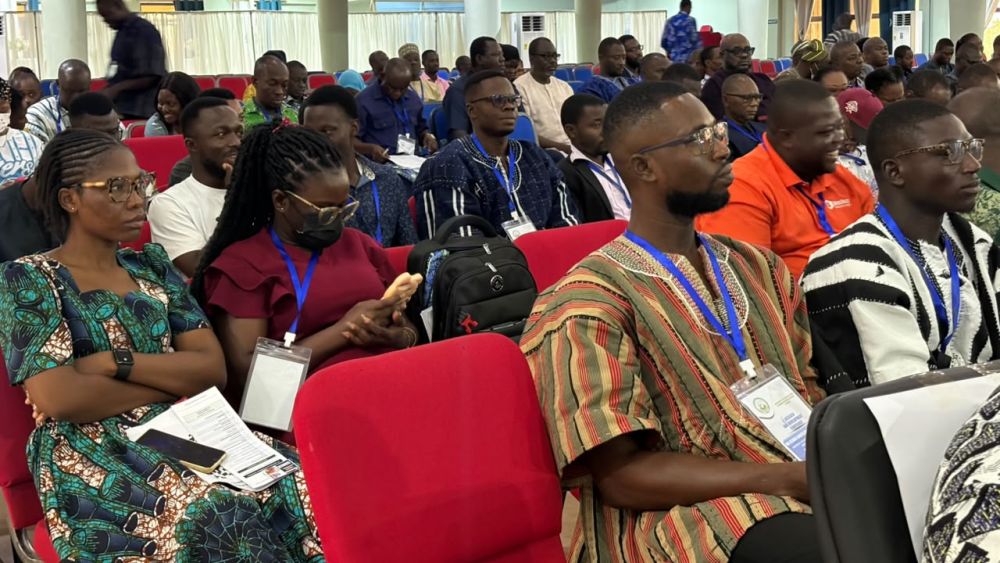
Vice‑Chancellor Professor Kanchebe Derbile affirmed UBIDS’ commitment to strengthening research and ensuring its findings contribute to policy and development. He highlighted that postgraduate students made up about 60 per cent of the 125 conference participants, signalling a growing research culture among emerging scholars, and announced plans to establish a robust grants management system to support researchers in developing proposals, securing funding and building partnerships.
Director of Research Professor Frederick Dayour reported that the conference received 165 abstracts, with 140 selected after a rigorous review. Ninety‑nine participants were confirmed to present papers, while six registered without presenting. The event also introduced policy briefs and poster presentations for postgraduate researchers.
Moving forward, the conference aims to bridge the funding gap for research and development at the university, while Prof Ditto’s call for action seeks to ensure that Ghana’s research capacity translates into tangible benefits for its citizens.