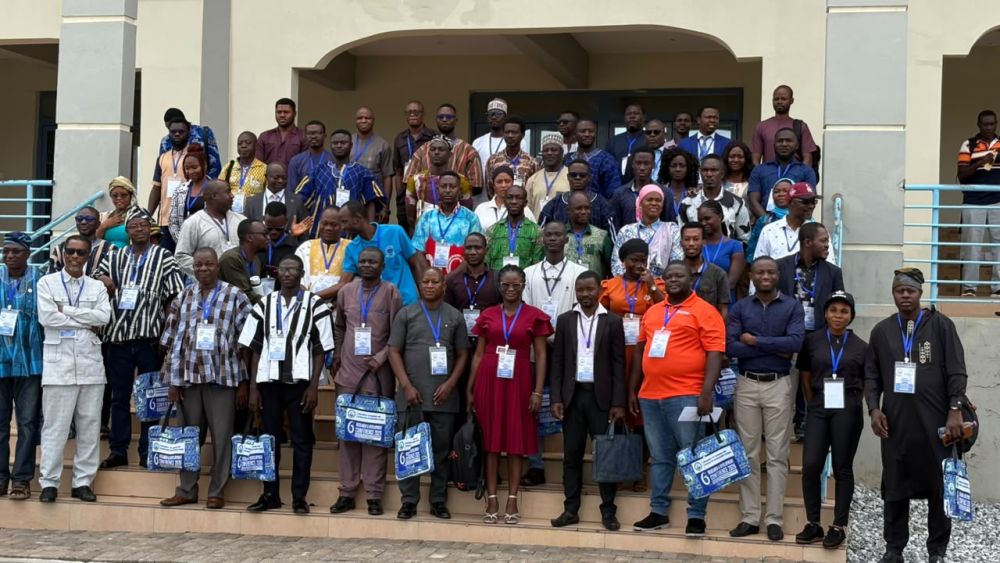
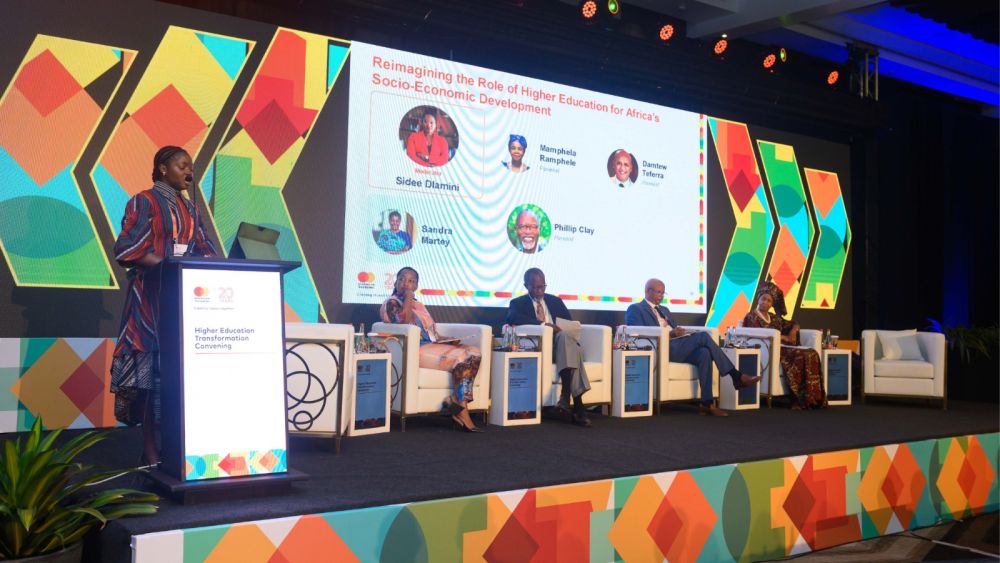
In Accra, the Mastercard Foundation hosted the first Higher Education Transformation Convening, where African governments, universities, industry and young people urged a collective overhaul of the continent’s higher education system. The event, themed “Reimagining Higher Education for Africa’s Human Capital Development,” aimed to equip students for work, spur innovation and drive development.
Mastercard Foundation President and CEO Sewit Ahderom stressed that transformation must extend beyond individual campuses to strengthen the wider economy. She urged universities to partner with employers, ensuring curricula match labour market needs and that credentials reflect graduates’ capabilities rather than study duration. Ahderom also called for institutions to prepare students for emerging technologies and to translate research into industry, government and community solutions.
Executive Director of Higher Education and Strategic Initiatives at Mastercard, Dr John Nkengasong, highlighted Africa’s youthful population as a key opportunity that can only be realised through institutions that develop talent, drive innovation and create meaningful employment pathways. He described higher education reform as an economic imperative requiring joint action from governments, universities, industry, investors and development partners.
The convening aligned with the African Union’s Decade of Education and Skills Development (2025–2034) and Agenda 2063. Professor Saidou Madougou, Director of the AU Department of Education, Science, Technology and Innovation, noted that higher education spending averages less than 0.8 % of GDP and research and development less than 0.5 % of national budgets. He called for greater collaboration, faculty and student mobility and systems that allow talent and innovation to move across borders.
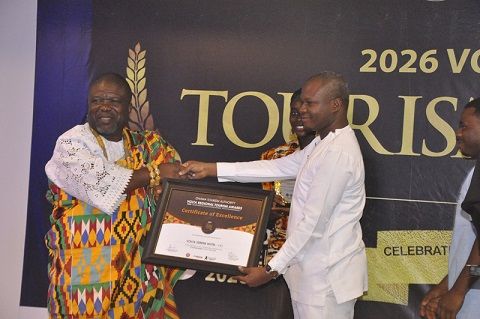
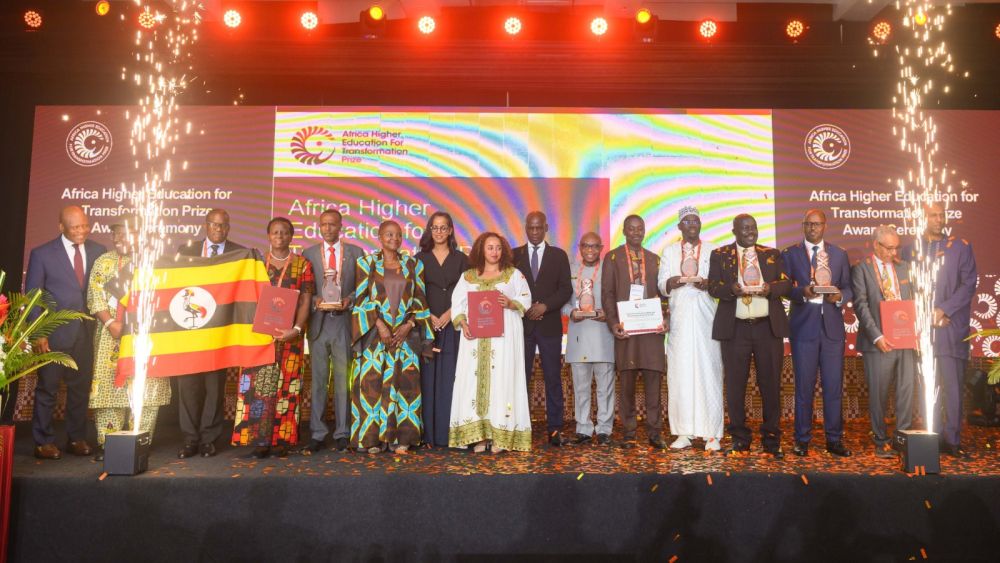
The event also launched the Africa Higher Education for Transformation (AHEFT) Prize, backed by a US$500 million commitment. The 2026 laureates—Addis Ababa University, International Institute for Water and Environmental Engineering (2iE), Kwame Nkrumah University of Science and Technology (KNUST), Muni University and the University of Rwanda—will each receive US$3 million to scale initiatives that expand education opportunities for young people. Vice‑Chancellor Professor Christian Agyare of KNUST praised the award for recognising the university’s transformative work in Ghana and beyond.
Participants urged that young people be actively involved in decisions about education, employment and opportunities, rather than merely being treated as beneficiaries. The convening closed with a call for all stakeholders to identify system‑level changes they can collectively advance by 2028, aiming to strengthen links between education, employment, research and investment so more young Africans can learn, earn and lead.