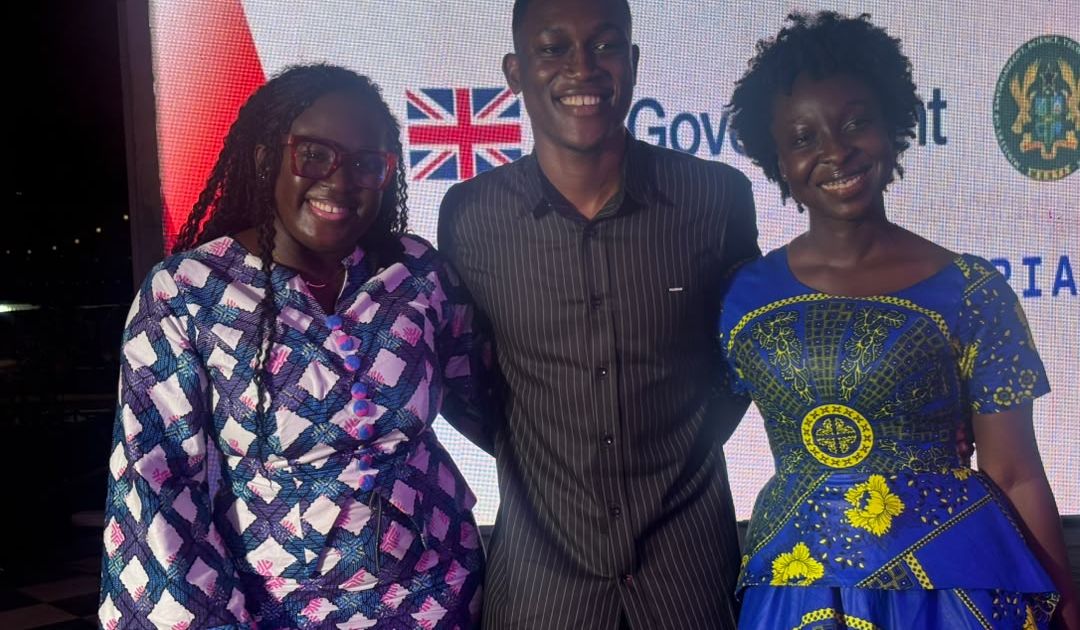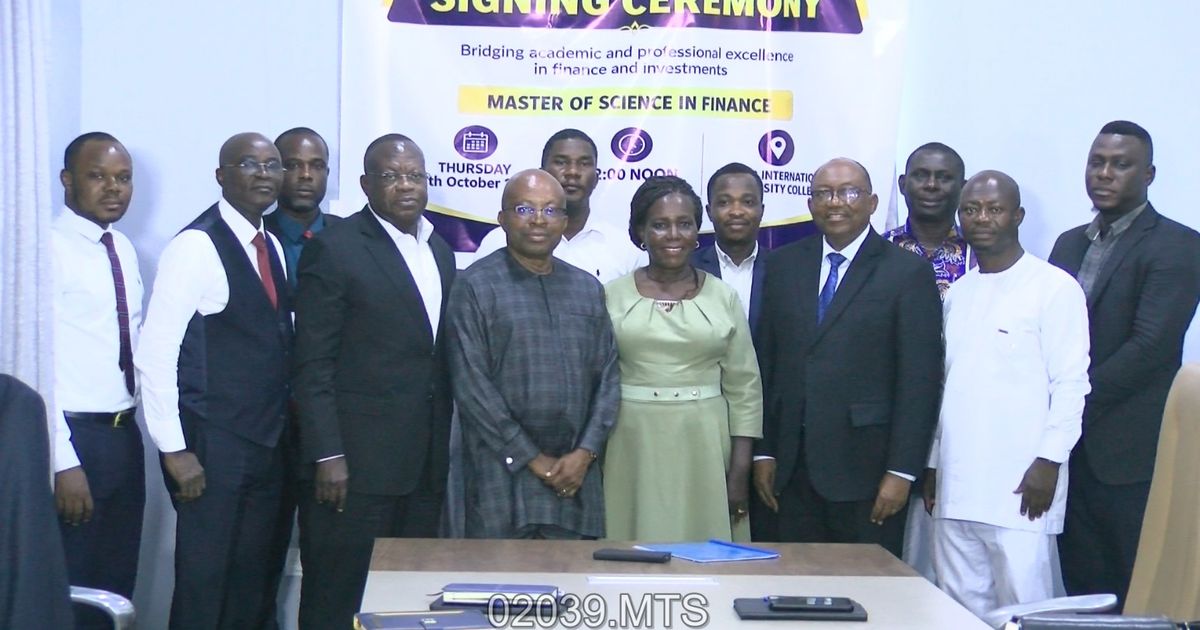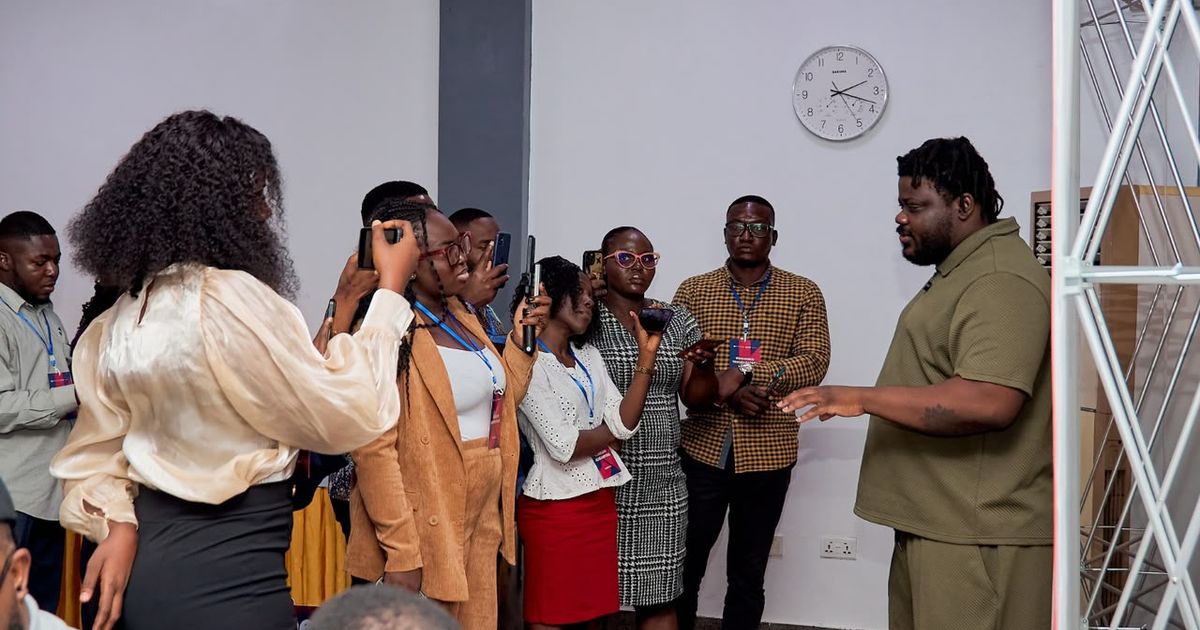
From 11 to 17 October 2026, Accra became the hub of the UK Media and Emerging Technologies (UK MEET) Fellowship, a residential programme organised by Imperial Global Ghana with backing from Imperial College London and the British High Commission. The six‑day event brought together Ghanaian journalists and media professionals to rethink how science, technology and innovation are reported in a country where new tech is often met with high expectations and limited scrutiny.
Participants were thrust into newsroom simulations that required rapid fact‑checking, assessment of uncertainty and distinction between confirmed data and claims still under investigation. One exercise had reporters respond to a developing heatwave story, juggling public health warnings, power supply concerns, agricultural losses and viral misinformation. The simulation underscored that a compelling narrative does not automatically equate to verified truth.
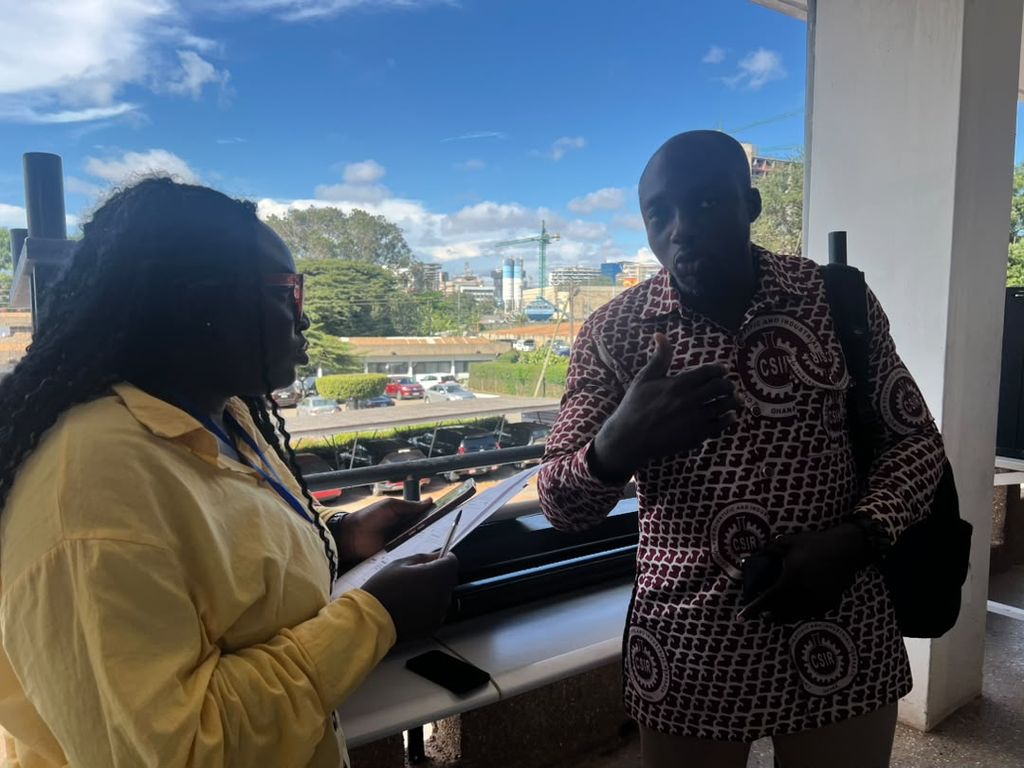
Other sessions tackled artificial intelligence and health claims, including a vendor audit that revealed a gap between advertised AI accuracy and independent testing results. Journalists were also challenged to report on plastic‑recycling innovations without simply echoing developers’ statements, prompting them to probe methodology, limitations and real‑world impact.
Beyond simulations, the fellowship explored climate risks, biomedical breakthroughs, genomics and digital storytelling, all while stressing the need to translate complex research into accessible, accurate stories. In Ghana, where AI, education, healthcare and climate change are often presented with grand promises, journalists were urged to examine evidence, identify missing perspectives and illustrate how research affects everyday life.
One participant, who pitched a story titled “The Invisible Teacher?”, investigated AI tools used by senior high school teachers to prepare lesson plans and assessments. The proposal questioned whether these tools align with Ghana’s curriculum, deliver on their promises and are supported by teachers and students.
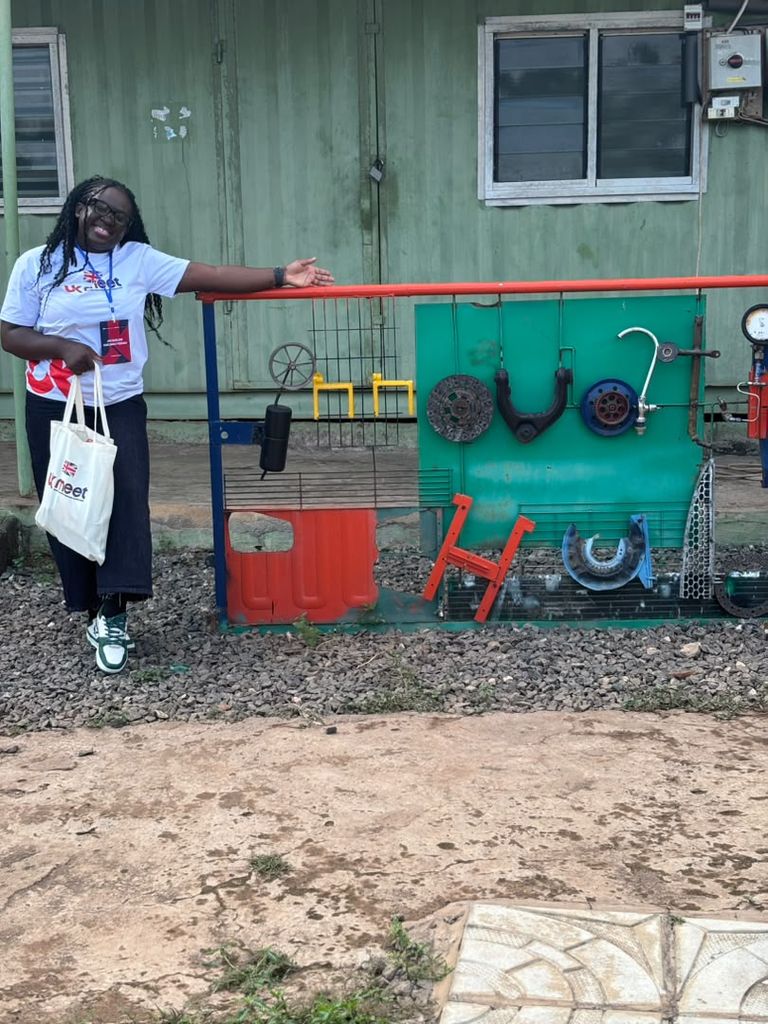
The fellowship also offered a pathway to the London Knowledge Exchange programme. After submitting story ideas, finalists presented pitches to a panel, demonstrating public interest and investigative plans. The author was selected as one of the final ten, a milestone that will enable travel to London and further development of technology‑focused reporting.
As the fellowship concluded, participants reflected on journalism’s need to evolve alongside its subjects, ensuring that emerging technologies are reported with rigor, context and relevance to Ghanaian audiences.