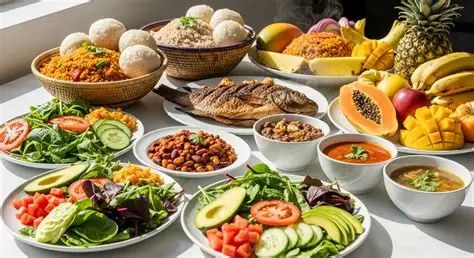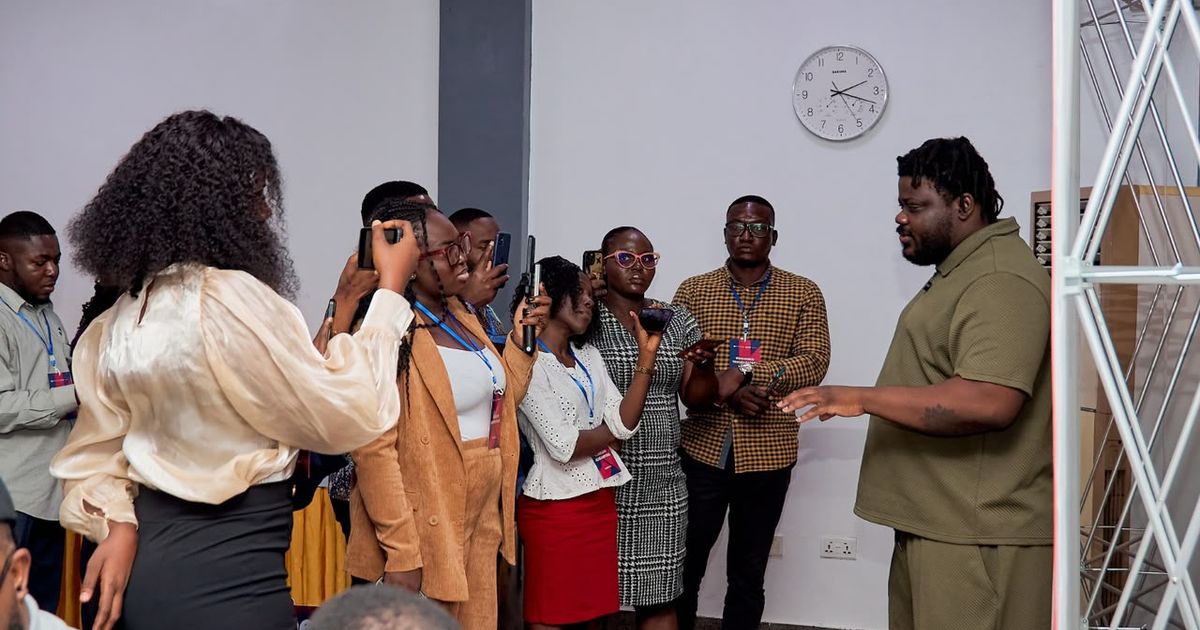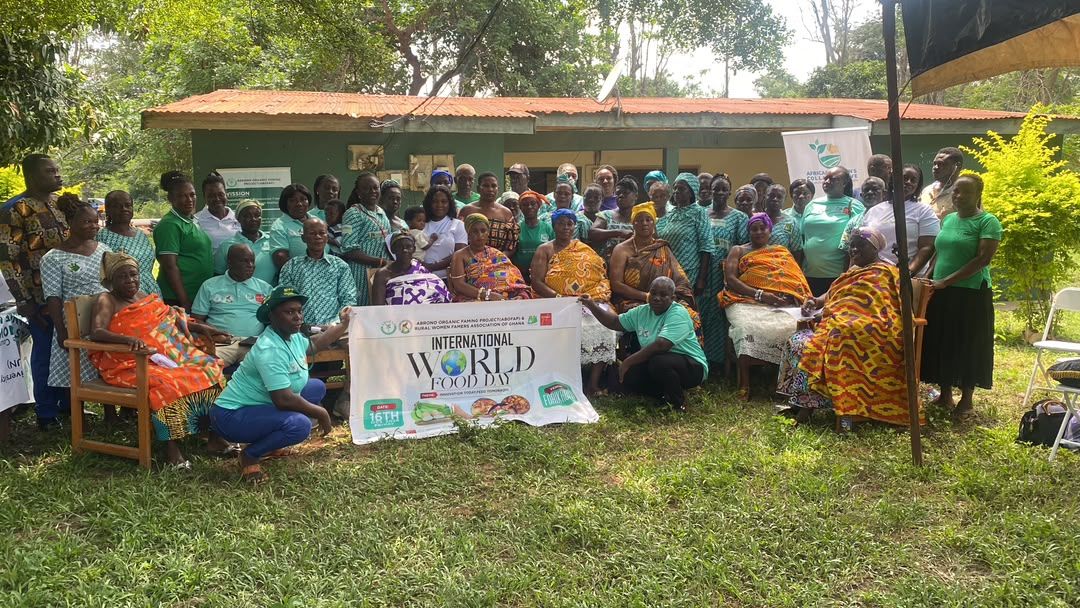
On 16 October, the Bono East town of Forikrom marked World Food Day, a UN Food and Agriculture Organisation (FAO) initiative, with a local food Durbar held at the Abrono Organic Farming Project (ABOFAP) training camp. The event, organised with the Rural Women Farmers Association of Ghana (RUWFAG), brought together women farmers, agricultural extension officers, nutrition experts and traditional leaders to celebrate Ghana’s local foods and push for policies that strengthen food security.
Executive Director of ABOFAP, Nana Kwao Adams, urged participants to prioritise locally produced food and to work harder to produce enough food for the country. “We should eat our own food and keep working harder to produce the needed food for the country. It is time we look at policies that will empower rural farmers so that farming becomes sustainable,” he said.
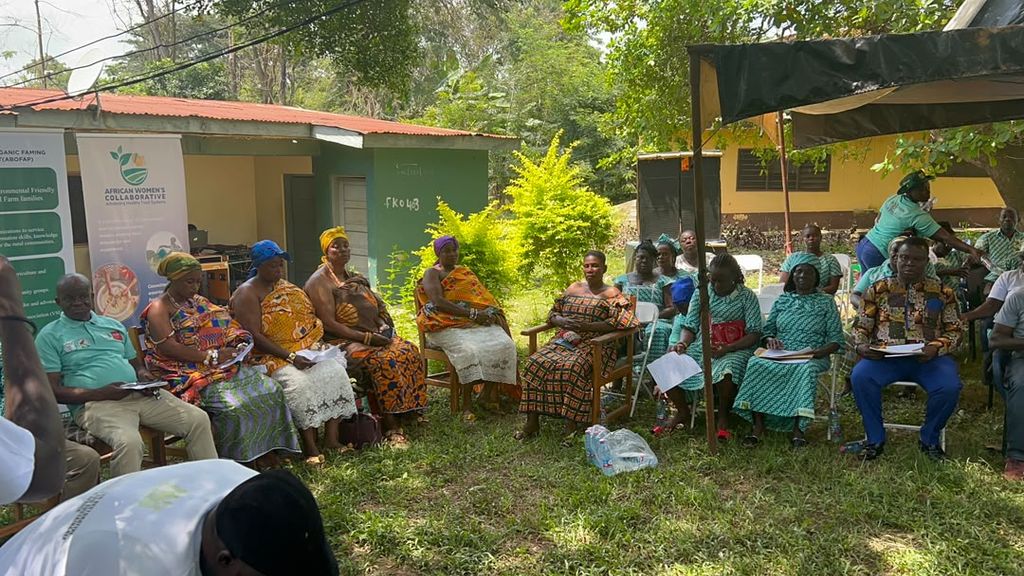
Chairing the function, Forikromhemaa Nana Sakyiwaa Abanaba, urged Ghanaians to embrace organic foods, describing them as healthy and beneficial. “I urge everyone to consume organic foods. They are healthy for our bodies and good for our well‑being,” she stated.
National Coordinator for RUWFAG, Anita Suntaa, called for policies that will help women farmers produce enough food, including the establishment of irrigation systems to aid all‑year‑round farming, especially in the Upper West Region. “We need policies that will help women farmers produce enough food,” she said.
Techiman Municipal Agric Extension Officer Festus Addai noted that despite available resources to produce more food, many people still go hungry. “With available resources to produce more food, it is quite unfortunate that a lot of people still go hungry. More needs to be done to address this,” he emphasised.
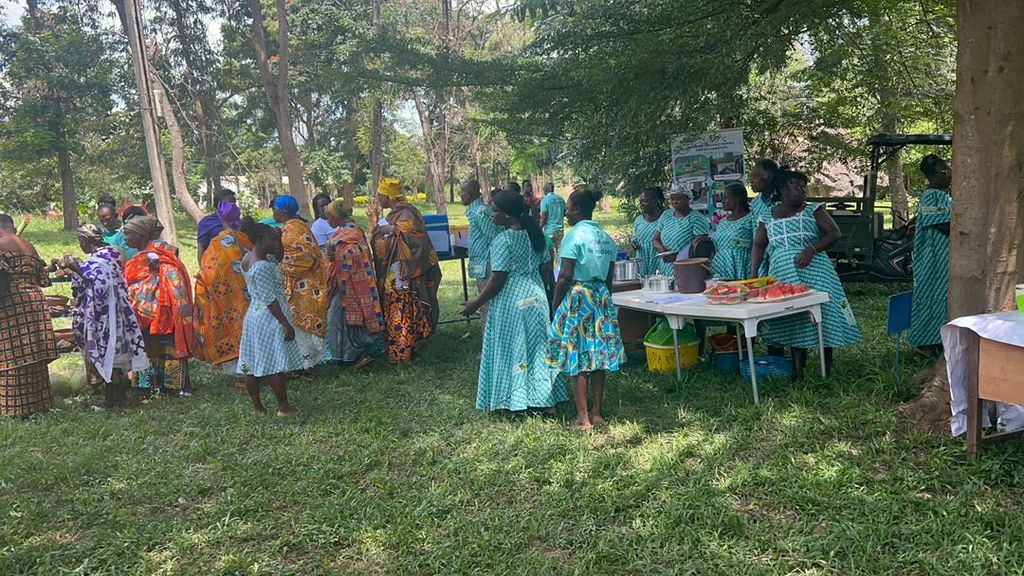
Nutrition Officer Faiza Issah at the Forikrom Health Centre advised participants to consume local foods that contain the four‑star diet, a nutrition framework promoting a balanced intake of different food groups for good health. “I admonish us all to consume our local foods that contain the four‑star diet for our good health,” she advised.
The day’s celebrations served as a reminder that sustainable food systems begin with supporting those who produce our food—especially rural women farmers—and with a collective commitment to eating what we grow. As the world reflects on the challenges facing global agrifood systems, the message from Forikrom is clear: empower rural farmers, invest in irrigation, promote organic and local foods, and ensure that no one goes hungry.