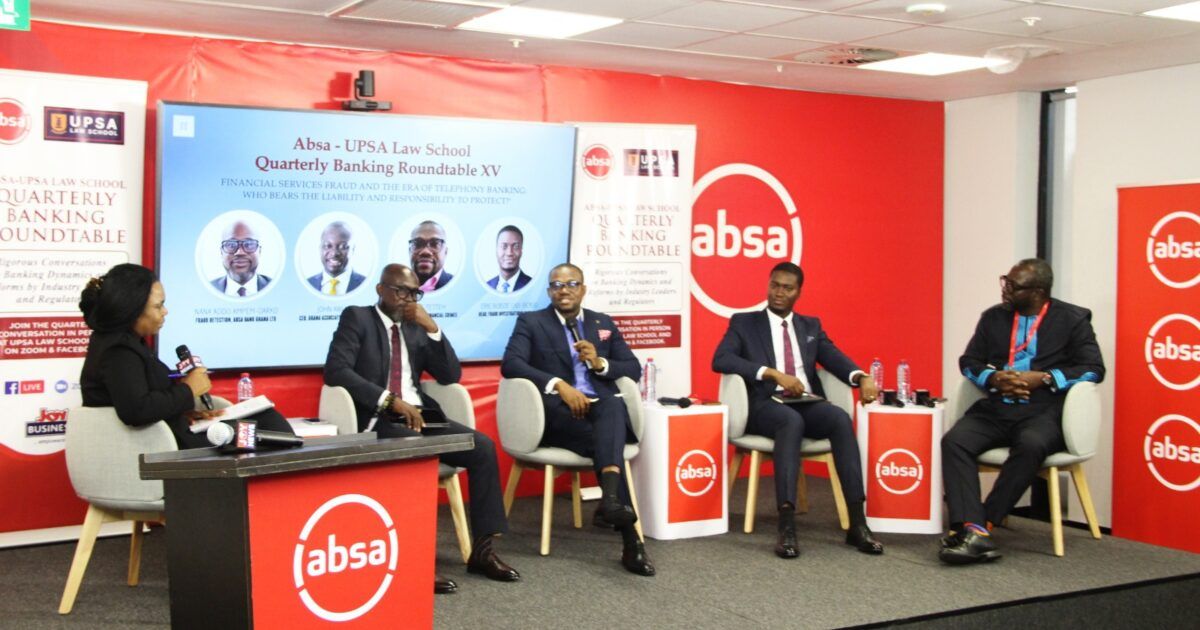
Mobile money fraudsters in Ghana are turning to social engineering rather than sophisticated hacking to siphon customers’ funds, Senior Manager for Financial Crimes Moses Tetteh said on the sidelines of the 15th Absa‑UPSA Law School Quarterly Banking Roundtable in Accra.
Mr Tetteh explained that fraudsters call customers and employ trust, fear or greed to coax them into disclosing login details, PINs or other authentication data. Once the credentials are obtained, the attackers can access mobile money wallets and banking applications to transfer money.
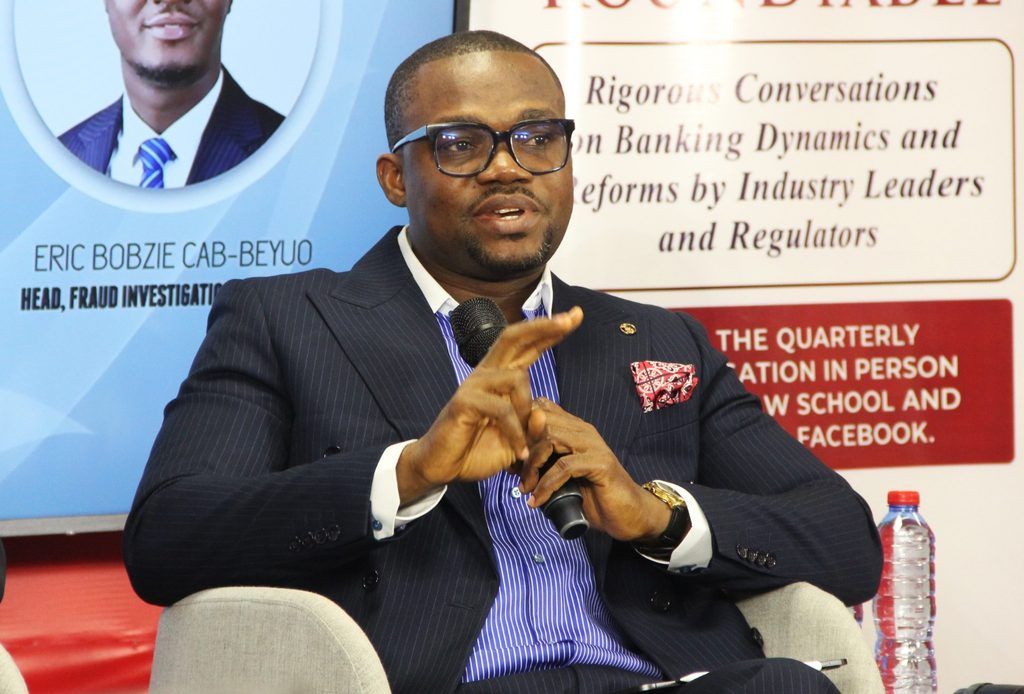
He cautioned that the threat requires vigilance from both customers and mobile money agents, who are on the frontline of transactions. “Protecting access credentials is the most effective way to reduce exposure to fraud,” he said, stressing that the first line of defence lies in the hands of the user.
The roundtable also discussed the limits of one‑time passwords (OTPs). Mr Tetteh noted that OTPs are only one of several sensitive credentials that must remain confidential, alongside PINs and private download links for the MoMo application. He warned customers against sharing such links with anyone, even supposed company staff.

MobileMoney Fintech continues to invest in customer education and agent training. Agents receive periodic training to stay alert to surroundings and safeguard confidential information during transactions. Early reporting of suspected breaches, especially after receiving suspicious calls, can help operators investigate and limit further loss.
As the fight against fraud grows, Mr Tetteh urged that responsibility be shared across the digital financial ecosystem, not left solely to telcos or service providers.