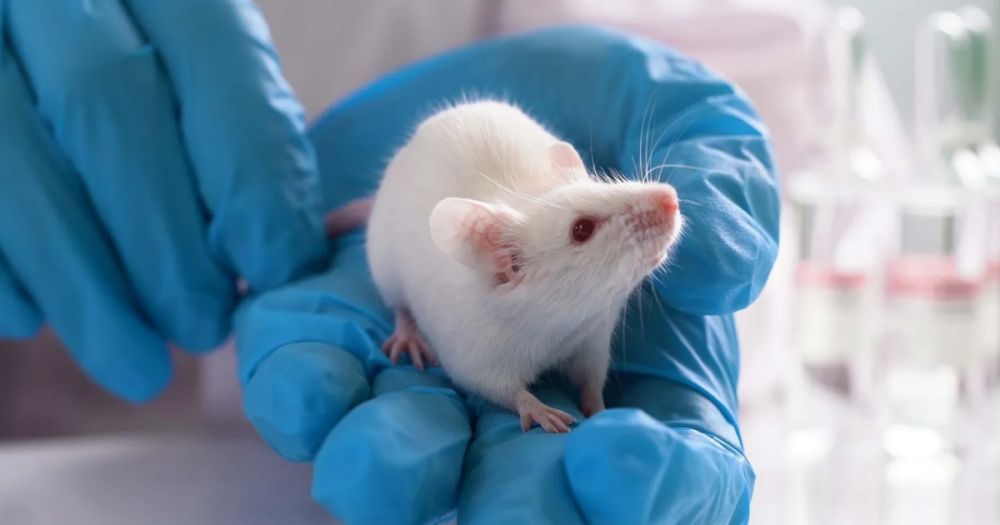
Neuroscientists at Stanford University have successfully implanted human brain organoids into mice, creating hybrid brains that combine human and mouse neural tissue. The project, published in Nature, involved genetically engineering mice to produce almost no cerebral cortex and surgically inserting reprogrammed human skin cells that grew into brain‑like tissue.
According to lead researcher Prof Sergiu Pașca, the human cells integrated into the mice’s existing brain circuitry, eventually forming structures resembling the outer layer of a mouse brain. After six months, behavioural tests showed the mice performed similarly to normal controls, with no evidence of enhanced cognition.
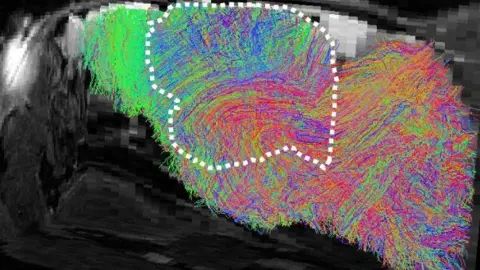
While the mice are not “mice that think like humans,” the breakthrough offers a new model for testing treatments for conditions such as epilepsy, autism and cerebral palsy—disorders that do not naturally develop in rodents. Dr Sarah Chan of the University of Edinburgh noted the ethical implications of altering animal cognition, while Dr Ilary Allodi of St Andrews University praised the technical achievement and highlighted the spontaneous emergence of human‑specific cell types.
The research underwent independent ethical scrutiny and adheres to strict welfare guidelines. It is expected to be used in a limited number of laboratories to study a few specific brain disorders, with the scientific community debating its broader applicability and ethical boundaries.
Future steps will involve further refining the model and exploring its potential to bridge the gap between animal studies and human clinical trials, a goal that could transform psychiatric research and drug development.