On Friday, October 30, 2026, the National Anti-Illegal Mining Operations Secretariat (NAIMOS) announced that the number of changfan machines operating on the River Tano had fallen dramatically as a result of its sustained enforcement under Operation Water Shield.
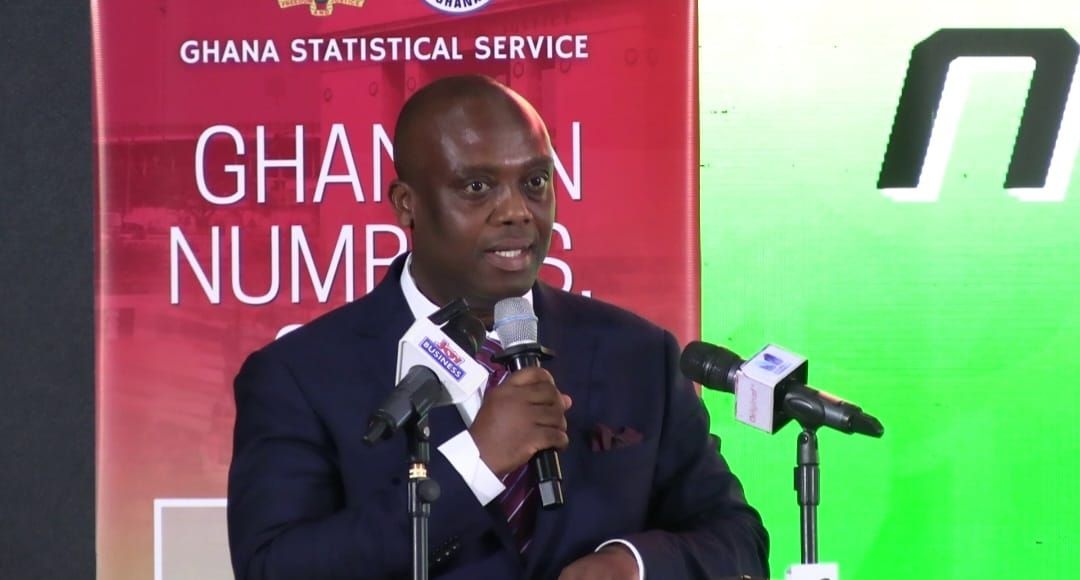
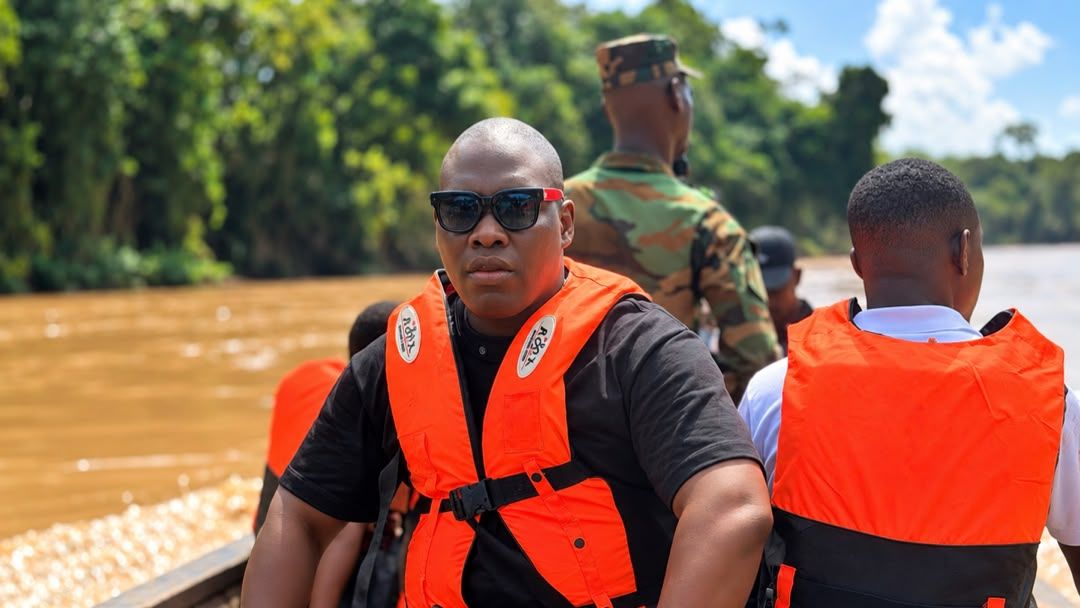
NAIMOS spokesperson Paa Kwesi Schandorf revealed that a team of 15 journalists had accompanied officials to the river earlier that day to assess the operation’s impact. The visit allowed the media to observe and independently evaluate the progress of the anti‑galamsey campaign along the river and its surrounding areas.
Schandorf wrote that the most crucial development was the substantial reduction of changfans on the Tano, crediting the sustained operations led by NAIMOS Director of Operations Colonel K. S. Appiah. He added that NAIMOS would continue surveillance on the Tano and other critical water sources as the government works to restore polluted water bodies to their natural state.
However, the spokesperson cautioned that the removal of equipment does not automatically restore the river’s original condition. “The destruction of hundreds of changfans on the Tano River doesn’t immediately make it pure, but it’s a crucial starting point,” he said. He noted that further measures would be taken under the leadership of Minister for Lands and Natural Resources Emmanuel Armah‑Kofi Buah to protect and restore affected water bodies.
Operation Water Shield, launched in September 2026, is an intelligence‑led enforcement campaign targeting illegal mining along major rivers, including the Birim, Ankobra, Tano, Bia, Pra, Offin, and parts of the Black and White Volta systems. The campaign seeks to dismantle mining machinery and prevent miners from returning to cleared areas.
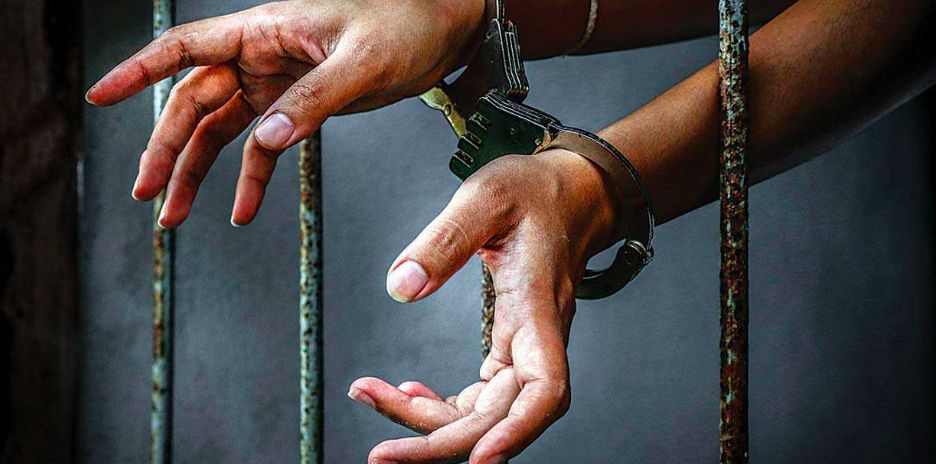
Earlier this month, NAIMOS destroyed 92 changfan machines and arrested three suspected illegal miners during an operation at Asemkrom in the Western North Region. The operation targeted platforms and equipment operating directly on the river near the Jema‑Asekrom Forest Reserve.
NAIMOS has emphasized that its broader strategy includes sustained patrols and surveillance to deter re‑occupation of cleared sites, as well as action against networks and suppliers that facilitate illegal mining. The latest assessment comes amid ongoing concerns over the environmental damage caused by galamsey, including river pollution and land degradation.
Schandorf stressed that while the reduction in changfans is an important step, further work is needed to secure the river and support its recovery. NAIMOS will continue its surveillance and enforcement efforts in line with President John Dramani Mahama’s vision of restoring water bodies to their natural condition. The challenge now is to sustain the gains, prevent illegal mining from returning, and establish measurable improvements in the condition of the River Tano.