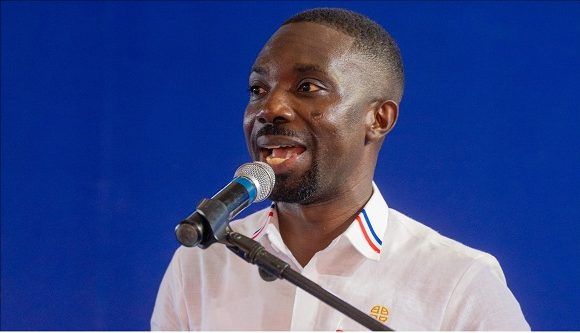
Prof. Aaron Mike Oquaye, the former Speaker of Parliament, revealed that he actively stopped the Special Prosecutor from pursuing the arrest of Bawku Central MP Mahama Ayariga while he was in office. Oquaye said his actions were driven by a commitment to uphold parliamentary privilege and the constitutional separation of powers, not by partisan considerations.
According to Oquaye, the Special Prosecutor had sought to arrest Ayariga during the former Speaker’s term. He described his intervention as “very, very, very active” and stated that he invited the prosecutor to an open meeting to ensure that the process followed constitutional tenets. “I was very much insistent on protecting his rights,” Oquaye told reporters, adding that he documented his stance in a formal letter to place the matter on record.
Oquaye emphasized that the protection of parliamentary privilege is essential for a meaningful separation of powers. He traced the history of parliamentary privilege, noting that even in England it has been strengthened to safeguard lawmakers from executive overreach. “You cannot have separation of powers in the Constitution if the Executive takes steps to shut up the opposition, and that harassment is not good,” he said.
The former Speaker’s letter, he said, was sent to ensure that Ayariga would not be abused and that his rights would not be violated. Oquaye stressed that the matter was not a political dispute between the NPP and NDC but a constitutional issue that required protection of parliamentary independence.
Observers note that Oquaye’s intervention came at a time when concerns about executive interference in parliamentary affairs were high. His actions are seen as a reaffirmation of the principle that Parliament must remain free from undue executive pressure.
Moving forward, the case remains closed, with no further legal action taken against Ayariga. Oquaye’s intervention is likely to be cited in future discussions on parliamentary privilege and the balance of power between Ghana’s branches of government.