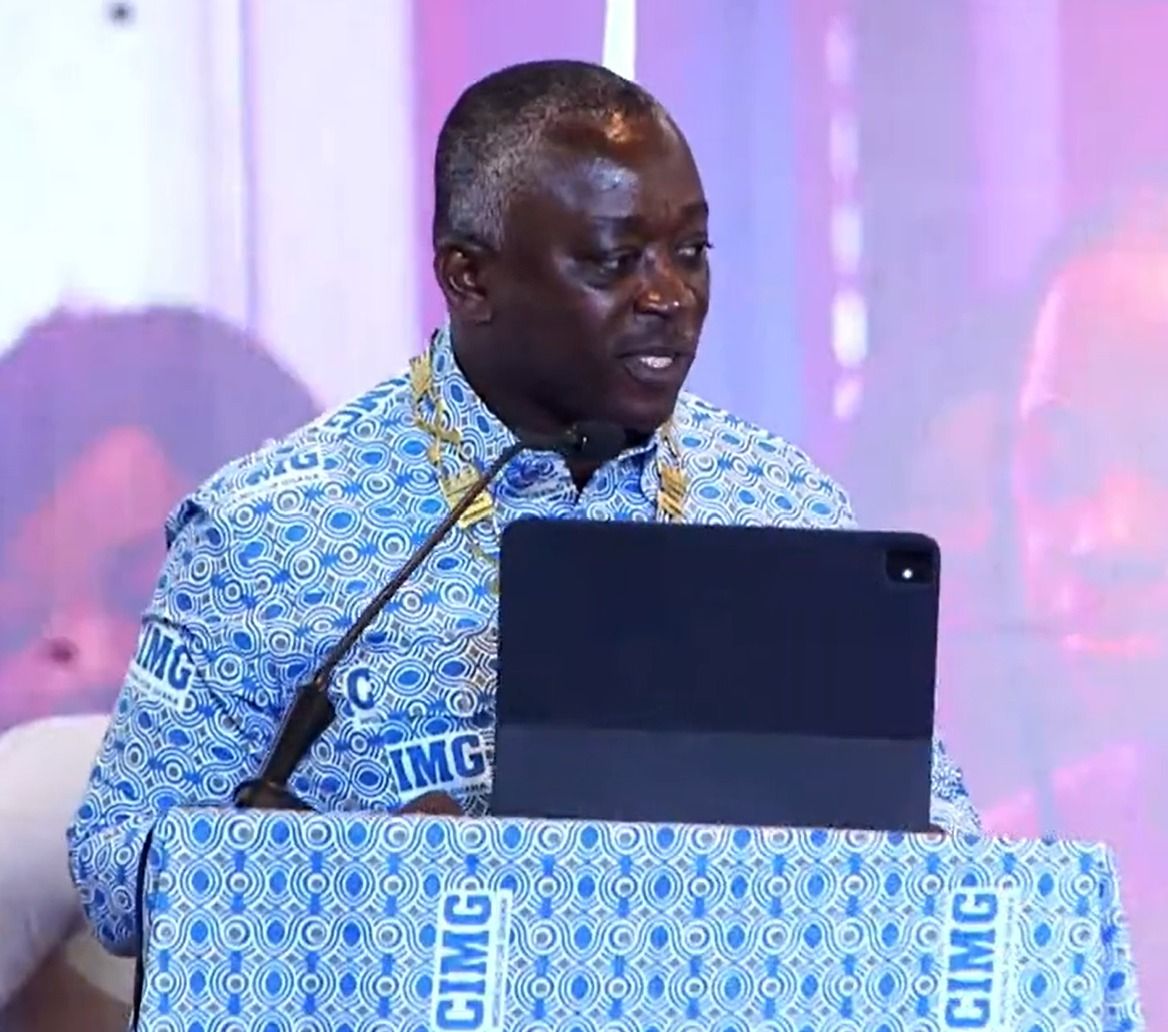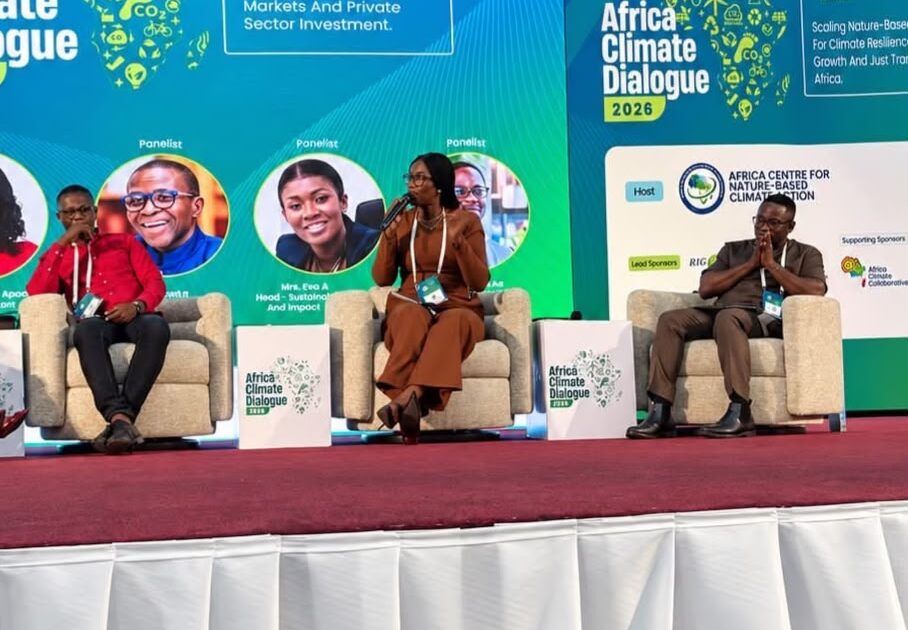
At the Africa Climate Dialogue held in Accra on 14 October, Consolidated Bank Ghana (CBG) Head of Sustainable Financing and Impact, Eva Ackuaku, warned that land ownership disputes and inadequate documentation are stalling nature‑based climate projects in Ghana. She explained that in many communities, land is held under intricate family arrangements, making it difficult for developers to prove ownership and secure the paperwork required by financial institutions.
Ackuaku cited her hometown of Larteh in the Eastern Region, where land is often owned collectively by families rather than individuals, as a prime example. “Assuming you move to my hometown where I come from, Larteh, sometimes ownership is very difficult because it belongs to the family, and the family, it does not even belong to one person,” she said. She added that similar challenges exist in the Western and Eastern Regions, where tree‑planting and restoration projects are underway.
Beyond land title issues, Ackuaku highlighted limited access to donor funding, grants and other financial resources as another major constraint. Developers often need upfront capital to prepare projects, conduct feasibility studies and hire technical consultants before approaching banks. “If we have finance to support or prepare the project very well before we go into it, then it becomes a viable project for us,” she said.
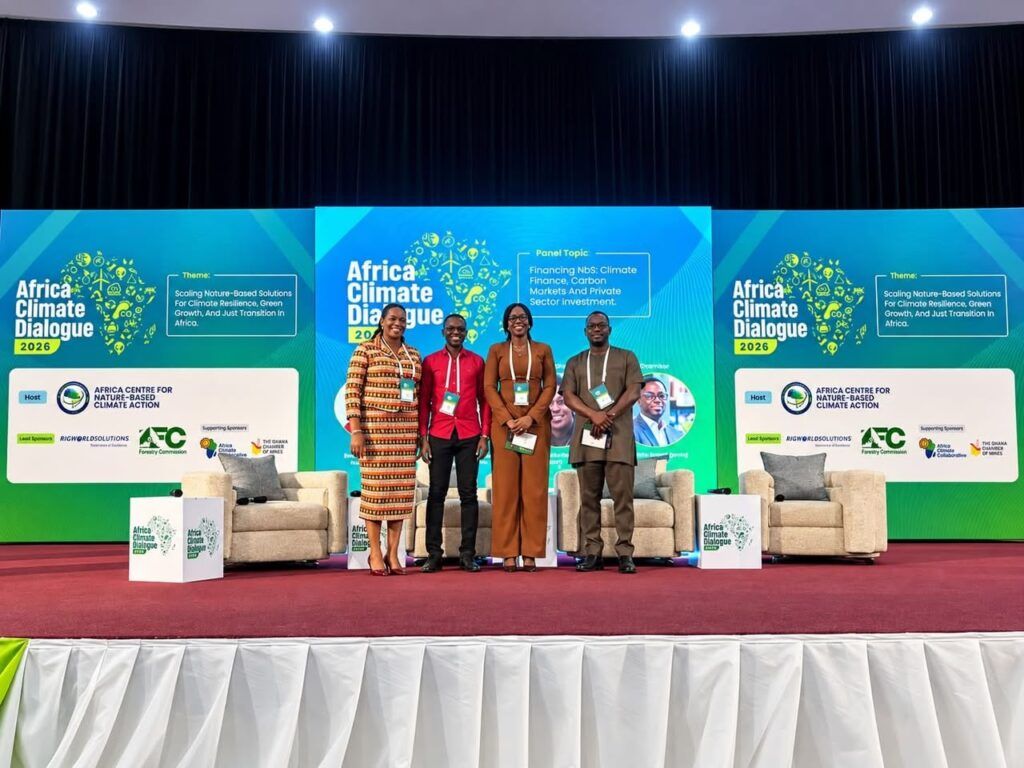
The dialogue brought together policymakers, researchers, development partners, private sector players and youth advocates to deepen discussions on Nature‑Based Solutions (NbS) as a pathway to climate resilience and sustainable development across Africa.
CBG’s challenges reflect a wider trend in Ghana, where banks struggle to assess and fund nature‑based initiatives without clear land titles and adequate preparatory financing. The bank’s leadership stresses the need for improved land documentation and greater donor support to unlock the country’s climate potential.