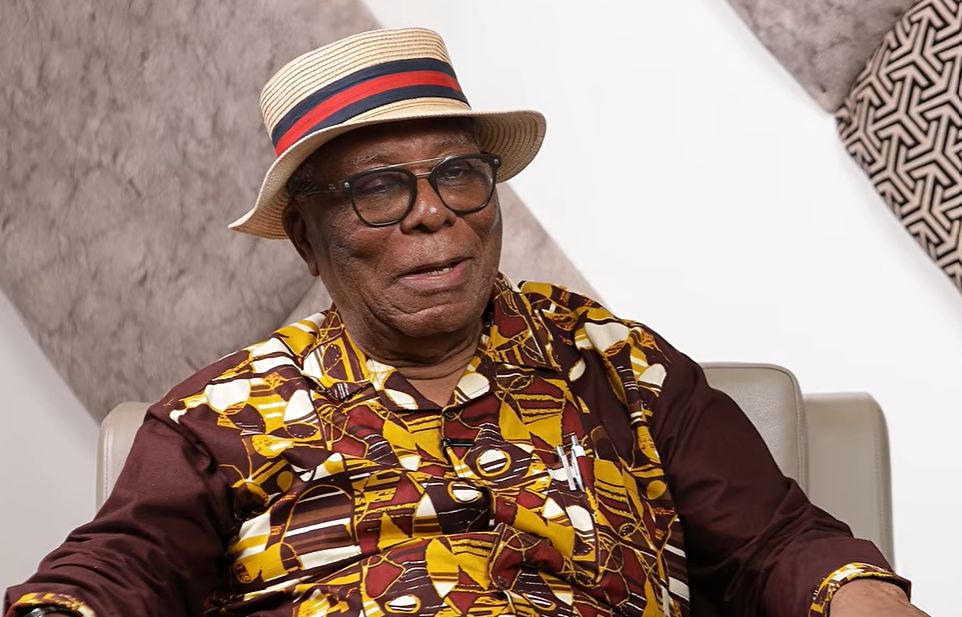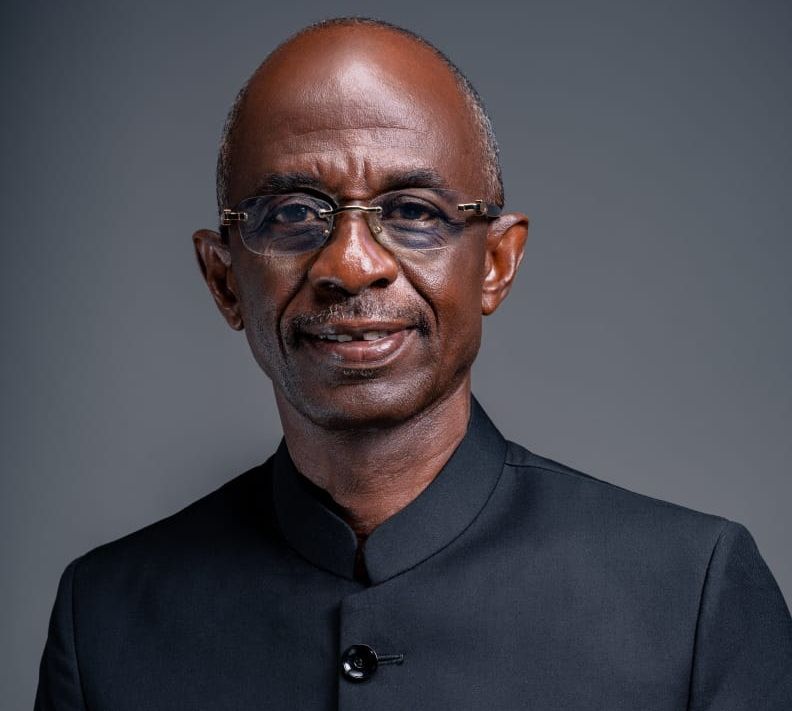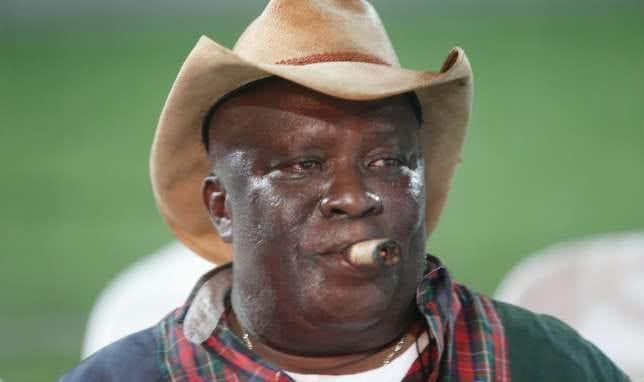
Charles Eric Kofi Wayo, a veteran Ghanaian politician and businessman, died on the early hours of Saturday, November 7, at Nyaho Medical Centre in Accra.
The late Kofi Wayo, who was often called “Chuck” Wayo, was one of Ghana’s most outspoken and unconventional political figures. He rose to national prominence in the late 1990s and early 2000s with blunt commentary on governance, corruption and economic management, making him a familiar voice in the country’s political and media circles.
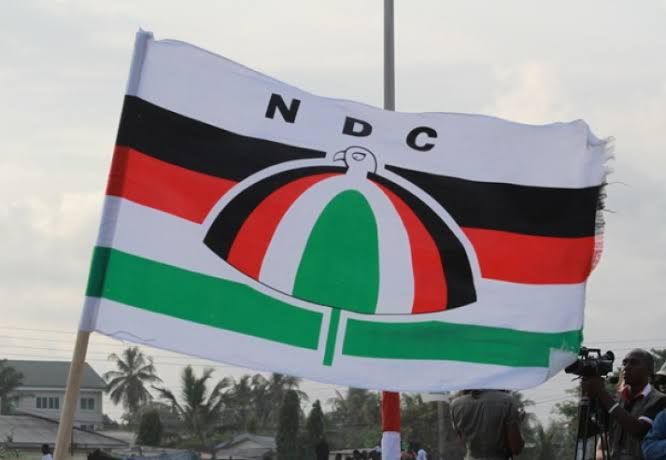
Wayo first attracted attention for his criticism of former President Jerry John Rawlings’ administration. He later joined the New Patriotic Party (NPP) and contested the Ayawaso East parliamentary seat in the 2000 general elections, though he did not win. He remained a vocal critic of the ruling National Democratic Congress (NDC) during that period.
After the NPP came to power under former President John Agyekum Kufuor, Wayo’s relationship with the party soured. He accused the government of failing to deliver on promises and expressed disappointment with the country’s political leadership. He eventually left the NPP, joined the People’s National Convention (PNC), and in 2007 founded his own political movement, the United Renaissance Party (URP).
Through the URP, Wayo sought to offer an alternative to Ghana’s two dominant parties, advocating governance reforms, economic transformation, job creation and greater accountability in public office. Despite his efforts, the URP struggled to gain a significant electoral foothold, and Wayo gradually stepped back from mainstream party politics.
In March 2017, Wayo announced his departure from active politics, citing disillusionment with the political system. He turned his focus to agriculture, pledging to support farmers in rural communities with farming implements and logistics to boost production. He was particularly critical of successive governments for what he saw as inadequate attention to farmers’ challenges, arguing that practical interventions were needed over political promises.
Wayo’s death marks the end of a career defined by fearless criticism and a relentless push for reform. His legacy will be remembered by those who saw him as a maverick voice willing to challenge the status quo.
Observers will watch how his passing may influence the political discourse in Ghana, particularly among those who champion greater accountability and practical solutions for rural development.