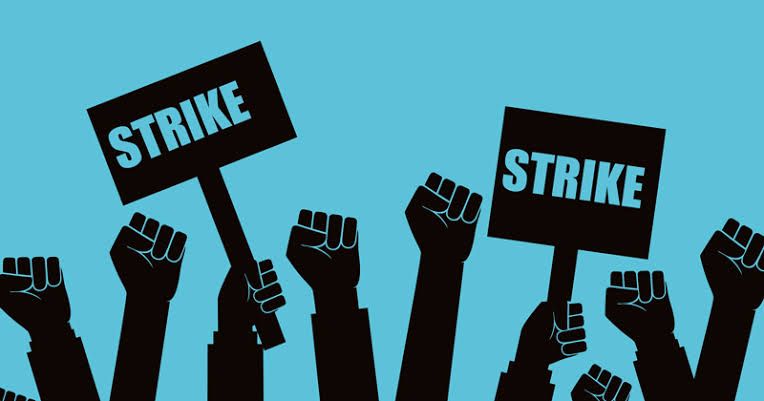
On 1 October 2026, the Technical University Teachers' Association of Ghana (TUTAG) launched an indefinite strike over unpaid post‑retirement contractual remuneration, delayed implementation of a Scheme of Service and grievances about academic librarians. Lecturers who had been working under post‑retirement contracts had not received their agreed pay for up to 27 months, a delay that TUTAG says undermines fairness and respect for contractual obligations.
Similar unrest spread to pre‑tertiary education, where the Ghana National Association of Teachers (GNAT), the National Association of Graduate Teachers (NAGRAT) and the Pre‑Tertiary Teachers Association of Ghana (PRETAG) also struck over promotion arrears, allowances and outstanding conditions of service. Although the unions paused their strikes on 9 October after government engagements, their leaders warned that negotiations would continue as the issues were not fully resolved.
The pattern is clear: workers raise concerns, negotiations begin, assurances are given, but implementation stalls. Patience erodes, trust deteriorates, and industrial action becomes the last resort. This trend points to deeper problems in institutional accountability, respect for negotiated agreements and the credibility of government commitments.
Collective bargaining is only effective if agreements are implemented. When employers, including state institutions, fail to honour their obligations, the relationship between workers and management frays, morale drops and confidence in leadership wanes. In the public sector, this erosion of trust is especially damaging, as the government is expected to model compliance with labour laws.
While fiscal constraints are a reality for any government, they should not become a permanent excuse for delayed implementation. Responsible governance demands early communication, transparent explanations, realistic payment arrangements and credible timelines when obligations cannot be met within agreed periods.
As Ghana continues to grapple with these challenges, the question remains: has industrial action become the only language that successive governments understand? The answer will shape the future of labour relations and the nation’s commitment to fair employment practices.