IC Insights has highlighted a worrying trend in Ghana’s foreign exchange reserves, noting that the buffer has slipped below the 5.7‑month cover achieved in March 2026 and the 4.6‑month cover in August 2025. The drop comes as import prices climb and seasonal demand rises, tightening the country’s external position.
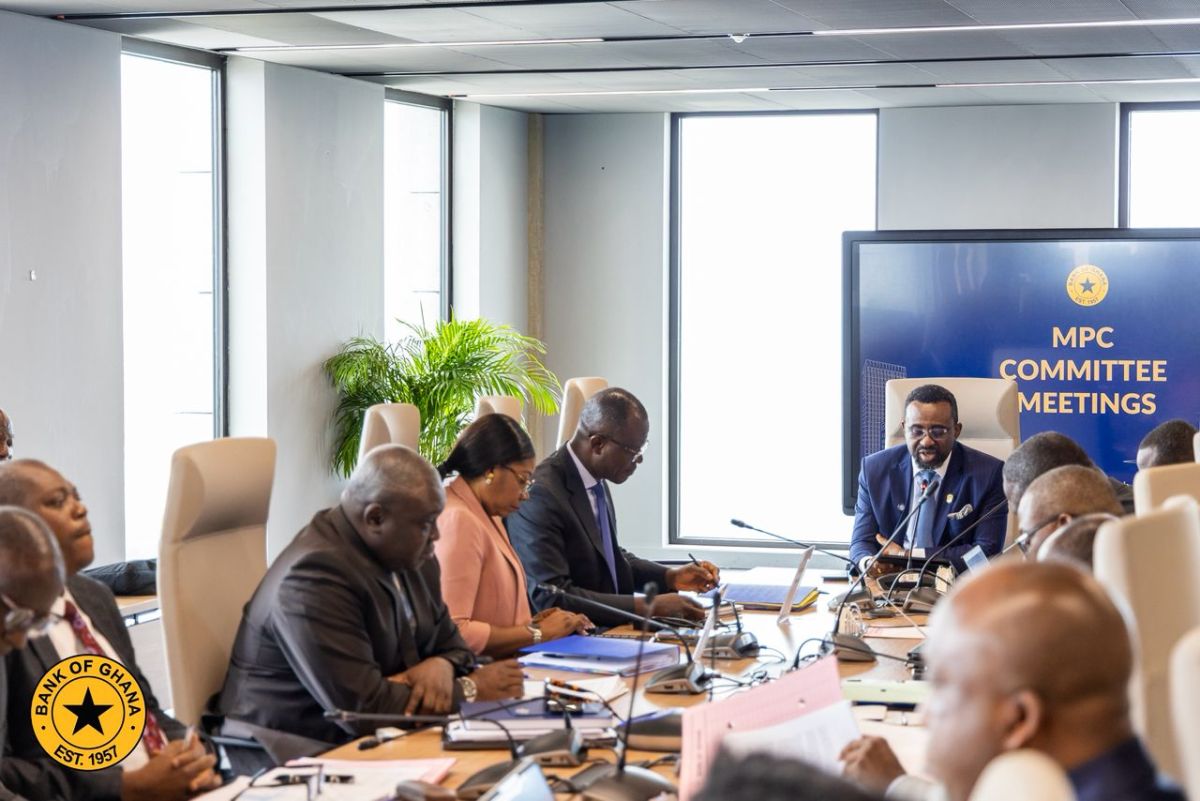
In its analysis, the firm stressed that the Monetary Policy Committee’s priority to rebuild reserves presents two options: either intensify Goldbod exports or allow a modest depreciation of the cedi. IC Insights expects the former to be pursued, while the currency will likely adjust in line with inflation momentum and could drift faster if the projected current account deficit for Q3 2026 materialises.
Fiscal operations for the first seven months of 2026 show a disciplined approach to public spending, with revenue still lagging but improving. This has placed the fiscal balance in a stronger position than targeted, raising expectations of higher spending in Q4 2026 in line with the 2026 budget framework. The resulting increase in cedi liquidity and aggregate demand could exert moderate pressure on the local currency, especially with the US$1.13 billion Eurobond service due in 2027.
By January 2027, Ghana will need to repay US$570 million in Eurobond debt. The World Bank’s October 2026 Africa Economic Update reported that the cedi was the weakest African currency, depreciating nearly 10% against the dollar between March and June 2026. The local currency has continued to weaken over the past fortnight, extending its year‑to‑date depreciation to 10.04%.
These developments suggest that Ghana’s foreign exchange outlook remains precarious, with external buffers under pressure and fiscal dynamics potentially amplifying cedi volatility in the coming months.