On Friday, President Donald Trump unveiled a controversial agreement with Russian President Vladimir Putin to import 300,000 tonnes of diesel immediately into the American and global markets, with further shipments of 500,000 tonnes in November, a million tonnes thereafter, and up to three million tonnes in the future, contingent on the condition of Russian refineries.
The move comes after Trump signed legislation authorising fresh U.S. sanctions and tariffs on nations that import Russian oil and gas just weeks earlier. It has drawn sharp criticism from both Republican and Democratic lawmakers who argue the deal violates U.S. law and undermines Congress’s 2022 ban on Russian energy imports.
Seven senators—four Republicans (Susan Collins, Lisa Murkowski, Thom Tillis, John Curtis) and three Democrats (Jeanne Shaheen, Richard Blumenthal, Ron Wyden)—issued a statement on Sunday urging the president to reverse course, warning that “the United States should not provide Putin with a financial lifeline while Russia continues to kill Ukrainian civilians.”
Trump defended the agreement on Truth Social, stating that “lower prices for Americans, especially our Great Farmers, Ranchers, and Truckers, is my Greatest Priority.” Treasury Secretary Scott Bessent told Fox News that the deal would operate through existing legal channels and that critics were wrong.
Russia’s Deputy Prime Minister Alexander Novak confirmed the figures to Tass, noting that export volumes could reach three million tonnes per month in the future. Ukrainian President Volodymyr Zelensky condemned the deal as a gift to Putin, calling it an “investment in a war that must be ended.”
International leaders have also voiced opposition. Canadian Prime Minister Mark Carney and UK Defence Secretary Wes Streeting urged the U.S. and its allies to focus on pressure against Russia rather than providing fuel. Meanwhile, the U.S. Treasury has temporarily suspended sanctions on Russian diesel exports until 7 April, though other assets remain frozen.
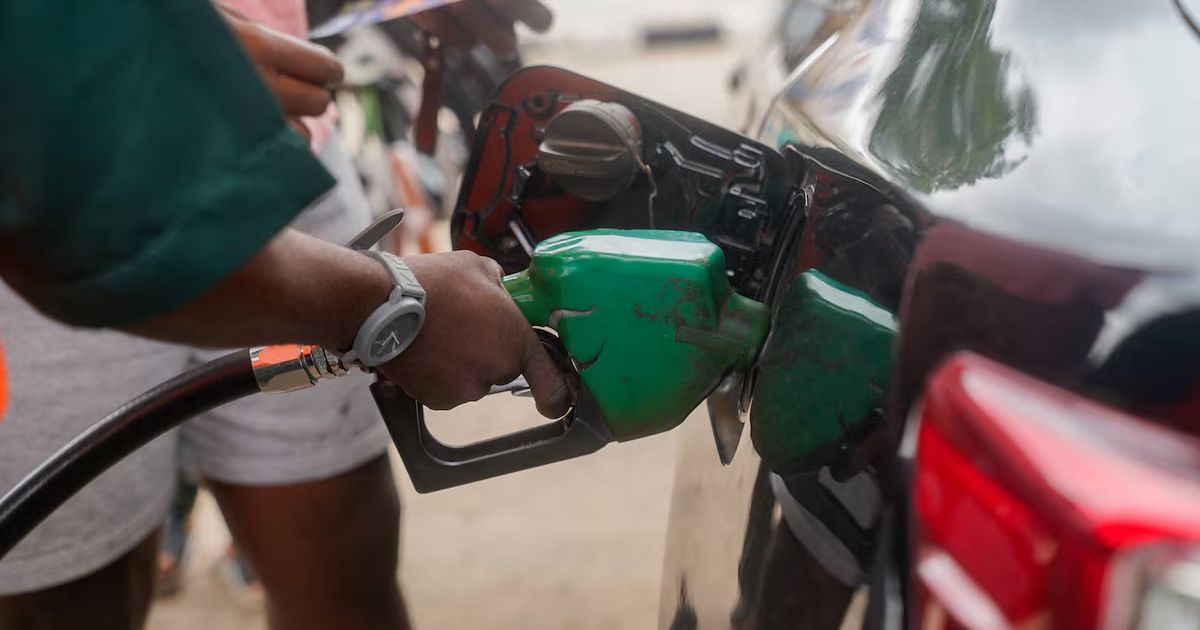
Fuel prices have surged since the Iran‑Israel war began, with the average U.S. diesel price currently $6.28 per gallon—down from a record $6.53 at the end of September. Analysts question whether Russia can supply the promised quantities and whether the imports will meaningfully ease domestic prices, given the U.S. consumes approximately 3.6 million barrels of diesel daily.
The debate intensifies as the mid‑term elections approach, with polls showing a majority of Americans disapproving of Trump’s handling of the economy and the Iran conflict. The diesel deal could become a pivotal issue in determining whether the Republican Party retains control of Congress.
Looking ahead, the outcome of the U.S.‑Russia agreement and its impact on fuel prices and geopolitical dynamics will likely remain a focal point for lawmakers, industry stakeholders, and voters in the coming months.