New climate research indicates that wetland communities in northern Ghana are confronting a future marked by higher temperatures, unpredictable rainfall and increased flash flooding. The study, part of the AV‑STEC project, warns that farmers could experience prolonged droughts followed by sudden, intense downpours that devastate crops and food security.
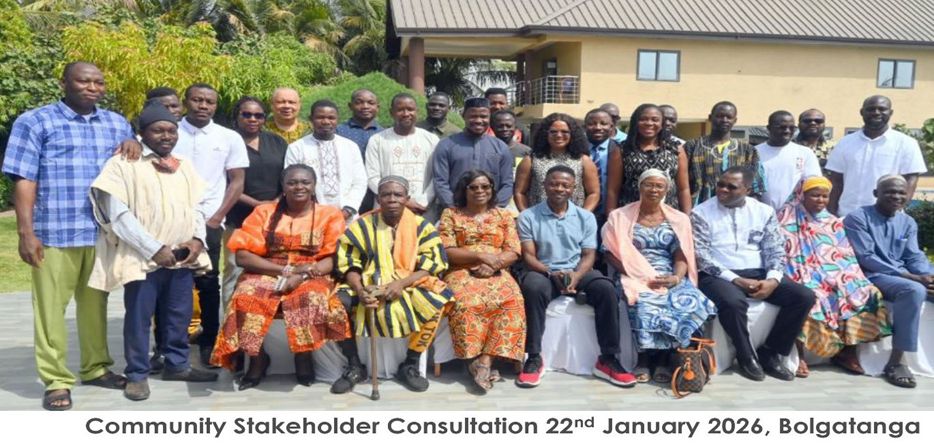
The AV‑STEC initiative, a partnership between the Centre for Biodiversity and Conservation Research at the University of Ghana, Naturama in Burkina Faso, York University in Canada and the Stockholm Environment Institute in the United States, seeks to strengthen climate resilience by linking scientific findings with local knowledge. Team leaders include Emerita Professor Yaa Ntiamoa‑Baidu (CBCR), Prof Christopher Gordon (University of Ghana), Prof Joseph Mensah (York University), Mr Idrissah Zeba (Naturama) and Dr Mary Thompson (START).
Findings highlight the limits of emergency relief and point to nature‑based solutions such as catchment reforestation, green belts and wetland restoration as key strategies for long‑term resilience. Healthy wetlands can retain water, support biodiversity and reduce flood impacts. The project is also piloting solar‑powered irrigation systems to lessen dependence on erratic rainfall.
Gender‑responsive approaches are emphasized, noting that men and women experience climate hardship differently. The study calls for expanding women’s access to credit, business training and economic opportunities to avoid widening inequalities.
Notably, 89 % of community members expressed willingness to engage in flood‑mitigation and nature‑based adaptation projects. The research stresses that community participation, government support and cross‑border cooperation with Burkina Faso are essential to translate findings into sustained investment and inclusive policies.
As rainfall patterns grow more unpredictable, Ghana and Burkina Faso must renew dialogue on transboundary water management and early‑warning systems to protect shared ecosystems and livelihoods.