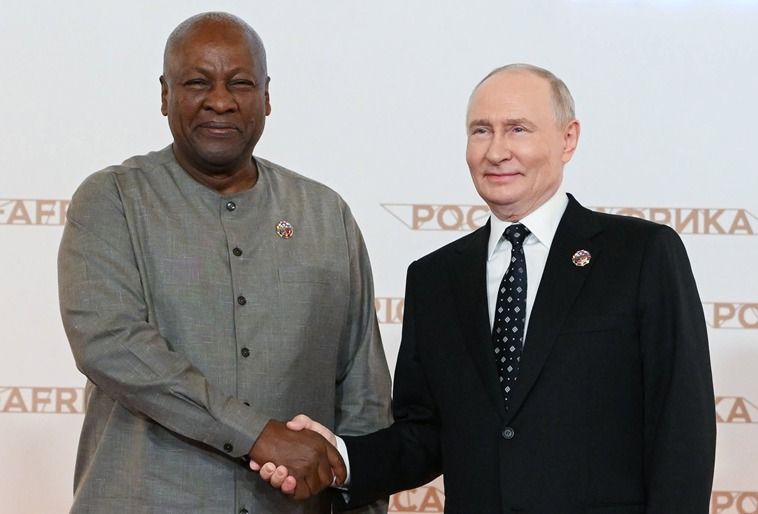
On 31 October, Ghana’s Foreign Affairs Minister Samuel Okudzeto Ablakwa announced a proposed 2,000‑megawatt nuclear power project with Russia, following President John Dramani Mahama’s meeting with Russian President Vladimir Putin at the Russia‑Africa Summit. The International Perspective for Policy & Governance (IPPG) has responded, urging the government to subject the deal to rigorous policy scrutiny and full transparency.
IPPG stresses that the project’s scale and financial heft demand a well‑defined financing structure, clear risk‑sharing between Ghana and Russia, and an assessment of the potential impact on public finances and electricity tariffs. The organisation also calls for a careful selection of reactor technology that aligns with Ghana’s grid and energy planning needs.
Beyond commercial concerns, IPPG highlights the necessity of institutional readiness: regulatory oversight, nuclear safety, human‑resource development, and grid infrastructure must be in place before any construction begins. The project must fit within Ghana’s Nuclear Power Programme and meet the International Atomic Energy Agency’s development milestones.
IPPG concludes that the partnership’s strategic value will be determined by its ability to deliver reliable, affordable power without imposing disproportionate fiscal liabilities or compromising regulatory standards. The organisation has urged the government to engage stakeholders and develop a comprehensive framework covering the agreement’s scope, financing, technology selection and implementation pathway.