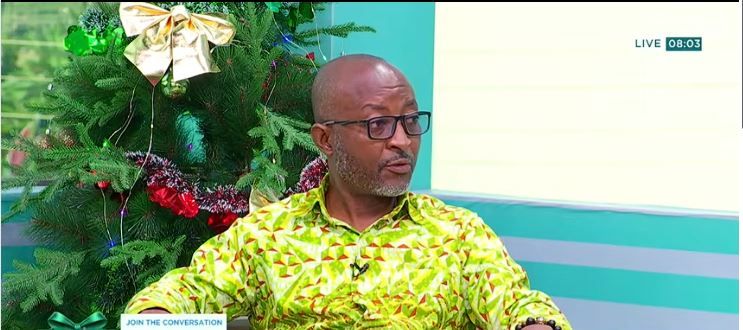
The Narcotics Control Commission (NACOC) confirmed that the men arrested in connection with a 3.9‑tonne cocaine seizure by French customs were under surveillance for between one and two years. Acting Director of Public Affairs and International Relations PNCO Francis Opoku Amoah told TV3’s KeyPoints that the suspects first entered NACOC’s radar through their activities, prompting a prolonged intelligence‑gathering operation.
“The people that we arrested are people that we have been working on for some time,” Mr Opoku Amoah said. “We were putting surveillance on them and waiting to see what time would be a good time to pounce on them and make the arrest.” He added that the operation had been timed to coincide with intelligence about a Dutch associate, a man at large whom Europe is searching for.
The coordinated arrests, carried out last Sunday, aimed to detain all persons connected to the network at once. NACOC said investigations revealed the plot involved more than one individual, necessitating a broad approach.
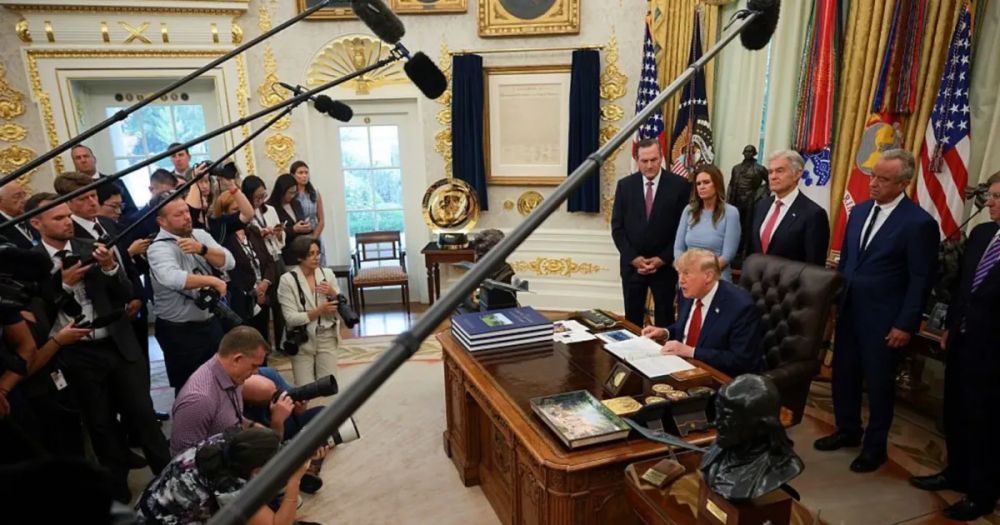
President John Dramani Mahama has ordered an inter‑agency task force to draft a roadmap to stop drug trafficking through Ghana’s borders. The task force has two weeks to submit its plan after an urgent meeting chaired by the President on 17 September.
On 7 September, French Customs at Dunkirk intercepted a container of plastic waste from Ghana bound for Antwerp. The container contained 167 bales of cocaine weighing 3.9 metric tonnes, valued at roughly €225 million (about $261 million). French authorities say the shipment was uncovered after judicial police had already been targeting the network. France’s National Jurisdiction against Organised Crime has opened an investigation into the organised importation of narcotics.
Dutch newspaper De Telegraaf and Belgian newspaper HLN linked the seizure to fugitive Dutch national Jos Leijdekkers, 33, known as “Bolle Jos”. He was sentenced in absentia to 24 years in the Netherlands for trafficking nearly seven tonnes of cocaine and is believed to be hiding in Sierra Leone. NACOC intelligence indicates Leijdekkers never entered Ghana, though his associates operated from the country.
NACOC said investigations are ongoing and more accomplices could be brought before the law. The case underscores Ghana’s growing role in international drug‑trafficking investigations and the government’s commitment to tightening border security.