In Ghana, breast cancer survivors are often left to contend with a host of physical and emotional challenges long after their treatment concludes. A recent study of patients referred for breast biopsies in the Oti and Volta regions in 2025 highlighted significant delays in treatment initiation, underscoring the need for stronger cancer services across the country.
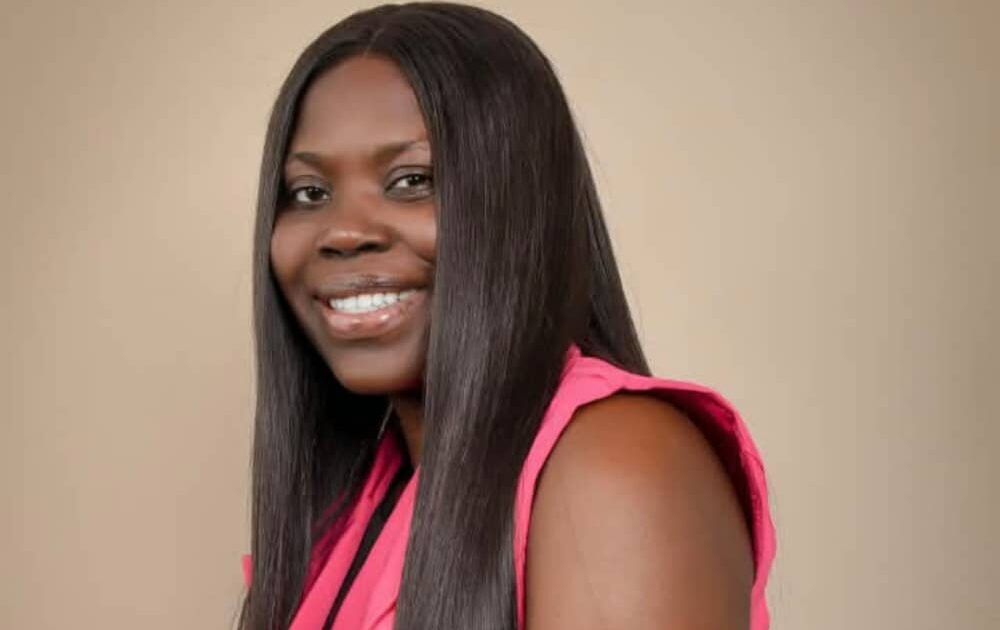
One survivor, who was diagnosed with stage three invasive, grade three, triple‑negative breast cancer, recounts enduring eight grueling cycles of chemotherapy, surgery and 16 fractions of radiotherapy during the COVID‑19 lockdown. She says the end of her formal treatment did not signal an end to her suffering.
According to the U.S. National Cancer Institute, many cancer‑treatment side effects can persist for months or years. Survivors often report peripheral neuropathy, fatigue, joint and muscle pain, lymphoedema, sleep difficulties, memory lapses, early menopause, sexual difficulties, anxiety and depression. “The pain may come and go,” she says, adding that sometimes it lasts for days and can be so intense that she struggles to cope.
She describes nights of insomnia, occasional vomiting and the frustration of medical investigations that return no clear explanation. When friends and family dismiss her symptoms as exaggerated, the emotional toll deepens. “Having your honesty questioned adds an unnecessary burden,” she notes.
Health experts argue that survivorship care must extend beyond the completion of treatment. The World Health Organization’s Global Breast Cancer Initiative calls for comprehensive care that includes rehabilitation, pain relief, physiotherapy, psychological support and regular follow‑up. In Ghana, this means employers, colleagues and health services must recognise that recovery is not linear and provide the support survivors need.
As the country continues to raise awareness each October, the focus must shift from early detection alone to ensuring that breast cancer survivors receive the ongoing care and compassion they deserve. The next step is to build robust survivorship programmes that address both the physical and emotional aftermath of cancer treatment.