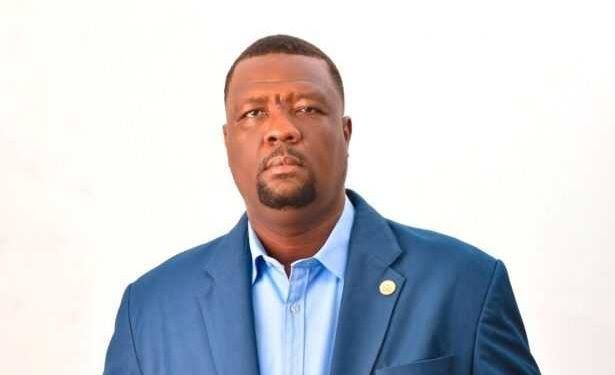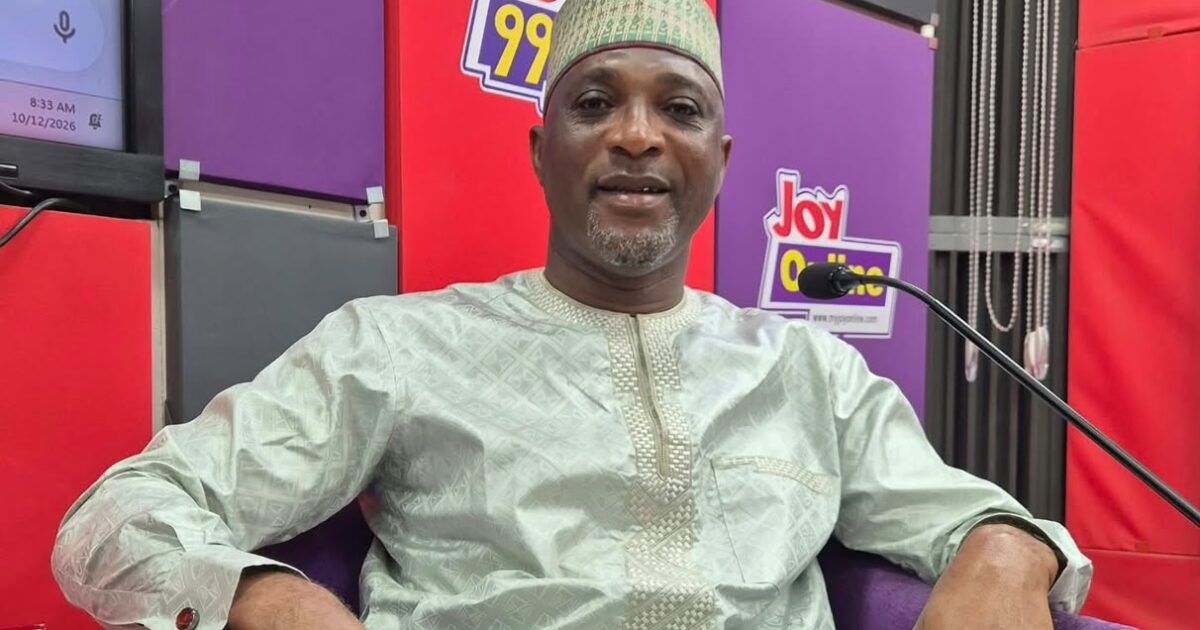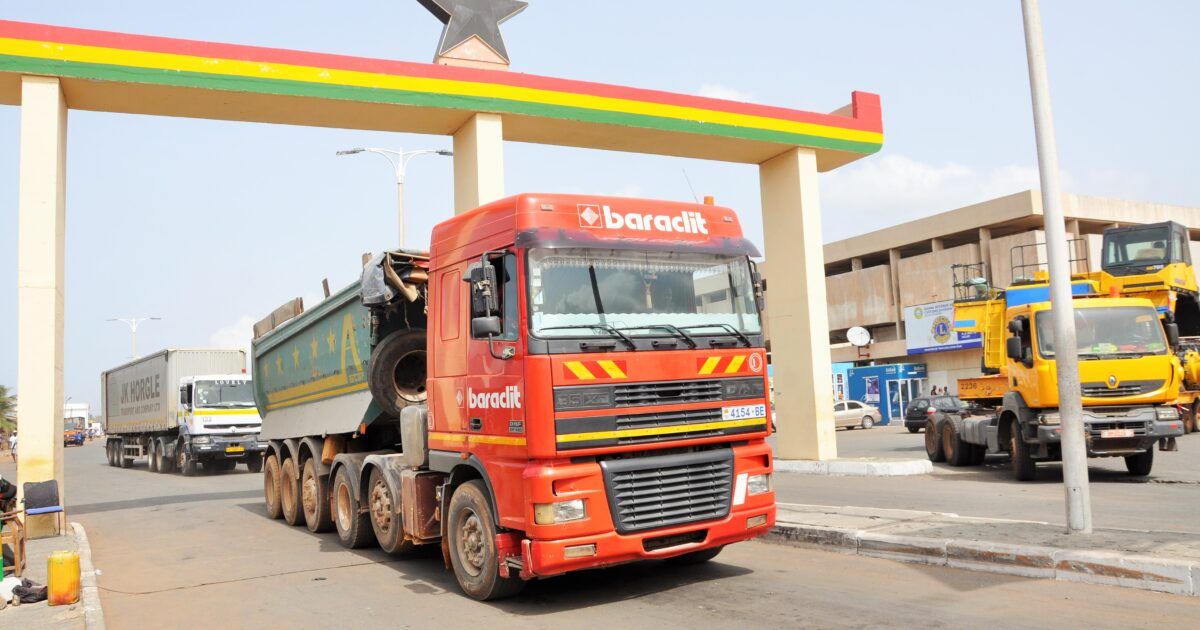
On Monday, October 12, 2026, Minister for the Interior Mubarak Mohammed Muntaka revealed that Ghana operates 48 legitimate entry points while more than 300 unapproved crossing points exist, posing a serious security challenge.
Speaking on Joy FM’s Super Morning Show, Muntaka stressed that the proliferation of illegal routes requires stronger cooperation with neighbouring countries, especially through intelligence sharing and coordinated regional efforts.
He noted that Ghana’s overall security situation has improved since 2025, despite ongoing concerns over ethnic conflicts, land disputes, illicit drugs and border vulnerabilities. “I can assure you that we are safer today than we were when we took over power,” he said.
While acknowledging that crime remains a problem, the minister said the government and security agencies are doing everything possible to protect the public and enable people to go about their daily activities without fear. He cautioned against measuring progress solely by comparing death tolls from different years, pointing instead to a reduction in curfews—from about eleven in 2025 to nine by year’s end, and only three remaining now.
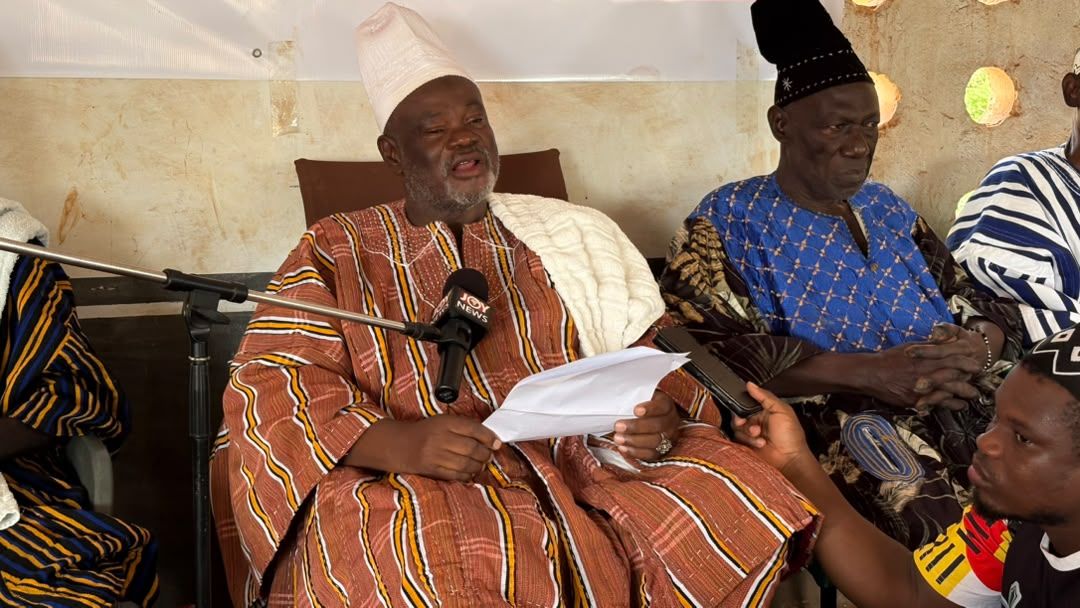
Muntaka highlighted the relative calm in Bawku, Upper East Region, where no gunfire has occurred for 150 days. As a result, authorities eased restrictions, adjusting the curfew to 10 p.m.–5 a.m. and allowing motorbike use from 6 a.m. to 6 p.m., a change he said had not been seen for five years.
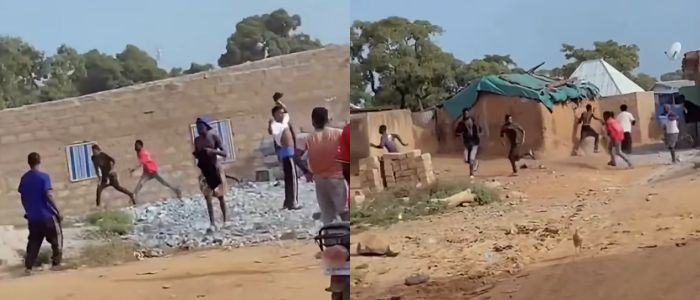
He recalled the violence that once spread from Bawku to other communities, causing retaliatory attacks and bus burnings, and explained that combined security operations with mediation and peacebuilding helped contain the conflict.
Despite these improvements, Muntaka warned that Ghana still faces security threats requiring sustained attention, including ethnic conflicts, land disputes and drug-related activities. He emphasized that effective border management is essential, given the number of unapproved crossing points, and that Ghana cannot tackle transnational threats in isolation.
Moving forward, the minister urged neighbouring countries to work together, exchange intelligence and strengthen their collective response to safeguard the region.