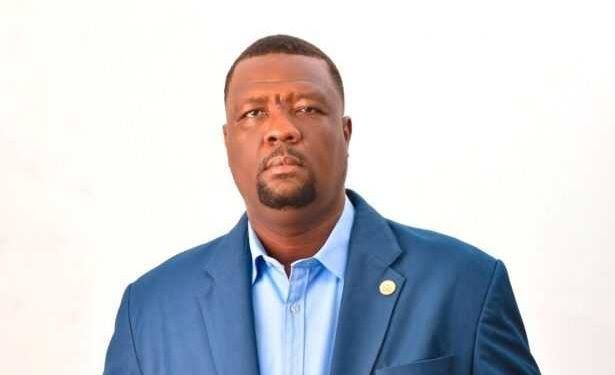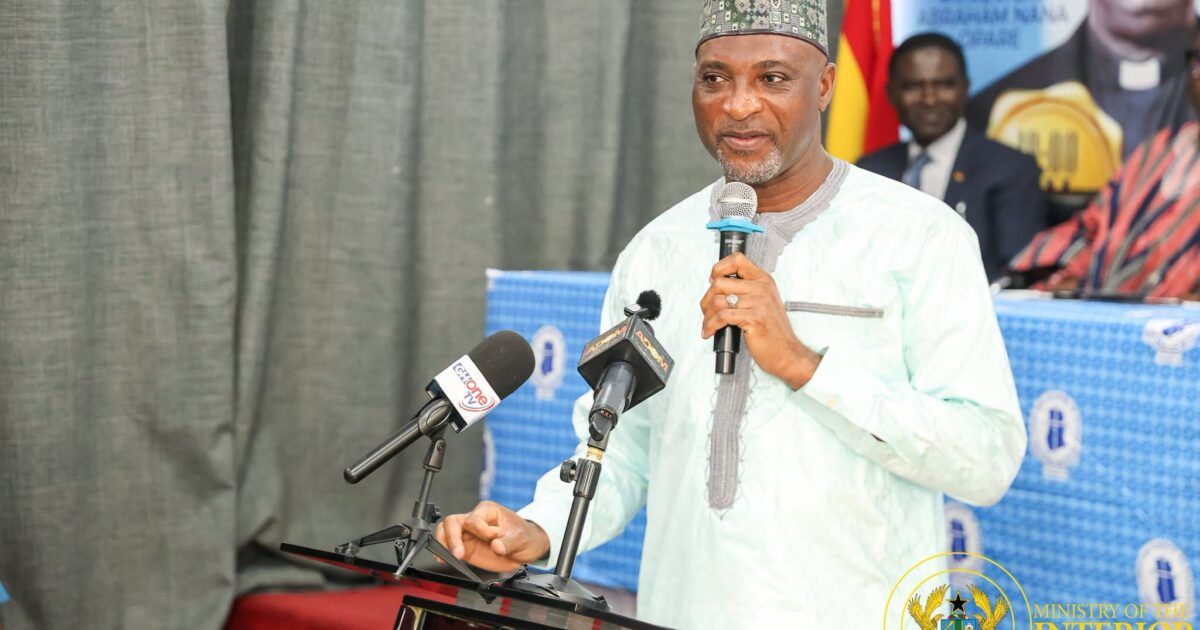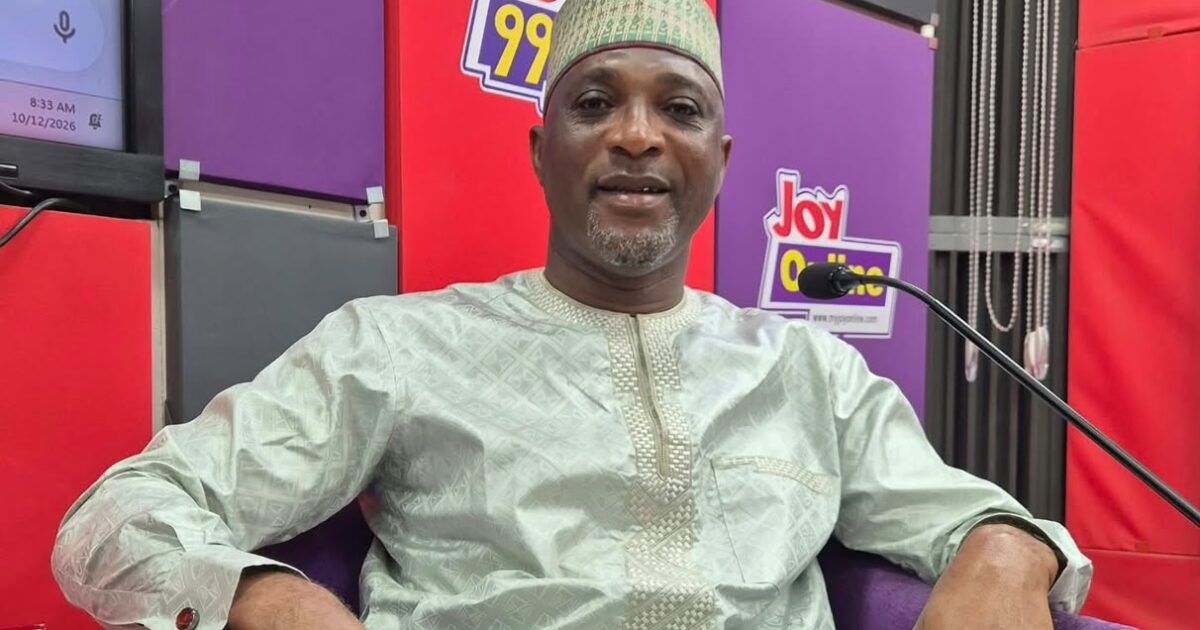
On Monday, October 12, 2026, Interior Minister Mubarak Mohammed Muntaka told Joy FM’s Super Morning Show that the volatile Bawku area had gone 150 days without gunfire, citing the pause as proof of a security improvement.
The minister said coordinated security operations and peace‑building efforts had contained violence that once spilled beyond Bawku to neighbouring communities. He added that the easing of the curfew to 10 p.m.–5 a.m. reflected the progress, noting that earlier restrictions had ranged from 6 p.m. to 6 a.m. and at one point from 4 p.m. to 6 a.m.
Residents are now permitted to ride motorbikes between 6 a.m. and 6 p.m., after years of bans. “They were not riding motorbikes for almost five years. Today, they are riding motorbikes from 6 a.m. to 6 p.m.,” he said.
Muntaka said the government is assessing whether remaining restrictions can be lifted, adding that “very soon, we may even lift it completely.” He clarified that he is not yet considering lifting the curfew or motorbike ban but is analysing the situation.
Reflecting on 2025, the minister recalled retaliatory attacks that spread to Binduri, Nalerigu and Walewale, with buses targeted on highways and students in secondary schools caught in the crossfire. He described those periods as “hardly sleep” moments for security forces.
The response combined security interventions with mediation, including the National Peace Council. Muntaka noted a nationwide reduction in curfews—from about eleven in 2025 to nine by year‑end—and that only three remain today.
He concluded that Ghana is safer now than in 2025, stressing the government’s commitment to allowing citizens to carry out their duties without constant vigilance.