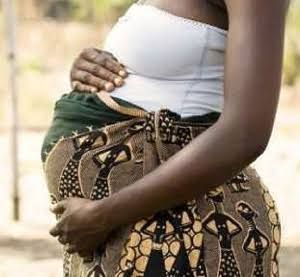
Ghana Health Service data show that 53,415 adolescent pregnancies were recorded between January and July 2026, including 1,501 involving girls aged 10 to 14. The figures, drawn from the Service’s routine Health Information System, represent pregnancies documented at health facilities nationwide during the first seven months of the year.
Programme Manager Sharifa Mohammed disclosed the numbers at a National Multisectoral Dialogue on the Reduction of Teenage Pregnancy in Accra on Monday, September 14. She said the figures were on course to approach the annual national burden of more than 100,000 adolescent pregnancies reported in national estimates.
Ms Mohammed highlighted that adolescent pregnancies were significantly higher among girls who were out of school than those who remained in school, adding that keeping girls in school is key to reducing teenage pregnancies.
The data also revealed an adolescent birth rate of 117.5 births per 1,000 girls in the Savannah Region, above the Sub‑Saharan African average of 104. Bole District recorded 230 births per 1,000 girls aged 18 to 19, while the Upper East Region logged more than 2,400 adolescent pregnancies within the first five months of the year, including about 520 cases in Bongo District alone.
Since 2017, the GHS has run a “Safety Net” intervention that provides comprehensive maternal and child health services, sexual and reproductive health education, psychosocial support, referrals and links to social protection services for pregnant adolescents. The programme also supports pregnant girls to return to school where possible, in partnership with the Ghana Education Service, or connects them to civil society organisations for vocational and livelihood skills if formal education is not an option.
So far this year, the Service has reached more than 310,000 young people with sexual and reproductive health information, and about 54,000 pregnant adolescents with services.
Ms Mohammed urged that policies and programmes must be effectively implemented, coordinated, adequately resourced and subject to accountability. Clara Nyarkoah Anim of MSI Reproductive Choices Ghana added that teenage pregnancy is linked to education, access to information and services, gender and social norms, and poverty, and called for young people to be placed at the centre of interventions.
What to watch next: the GHS plans to release a full annual report on adolescent pregnancies later this year, which will detail trends and the impact of the Safety Net programme.