Hundreds of freshers at Dr Hilla Limann Technical University in Wa, Upper West Region, were forced to hold their orientation under an open walkway because the campus has no auditorium. The move highlights a broader infrastructure crisis that the university faces, including the fact that it remains the only technical university in Ghana without a completed student hostel.
Vice‑Chancellor Prof Hamidatu Saaka Dramani told a visit by Parliament’s Select Committee on Education that the lack of adequate facilities hampers the university’s ability to offer a full campus experience and to attract and retain enrolments. She appealed for increased government investment to finish the 1,000‑bed hostel project, which had been abandoned for 18 years but is now being renovated, though structural damage has forced the design to be cut from four to three floors, reducing capacity to 600 beds.
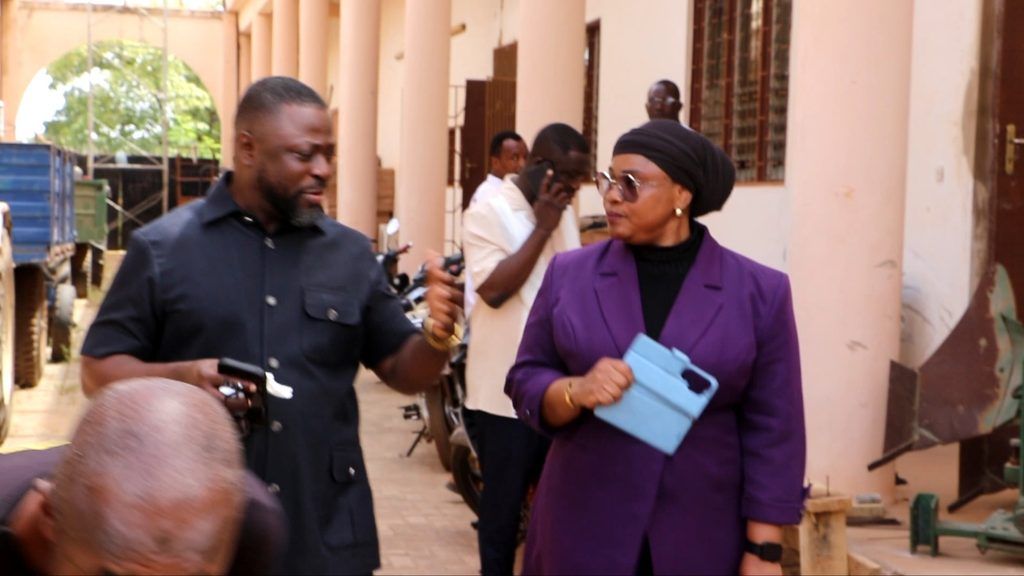
Beyond accommodation, students complain of insufficient workshop space as new equipment for technical programmes floods the campus. “Last month trucks kept coming with automobile equipment. The small workshop space we have is being taken away by only two departments,” Dramani said. The committee members noted the improvised use of a walkway for the orientation, with MP Dr Fred Kyei Asamoah remarking that it was the first time he had seen such a large group use an area as an auditorium.
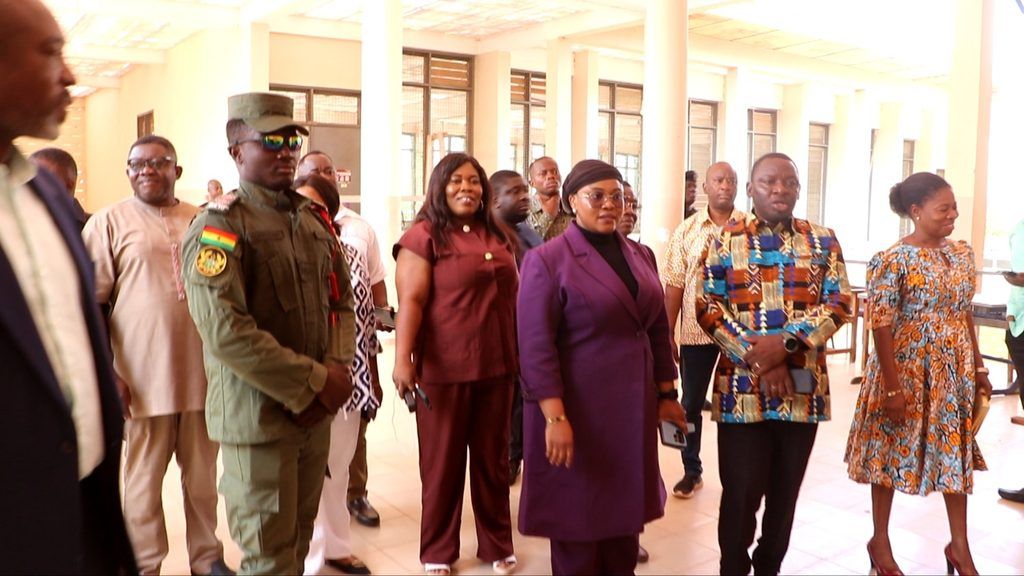
MP Joseph Kwame Kumah, Vice‑Chairman of the committee, praised the Education Minister for accelerating the hostel renovation and urged the government to provide additional funding for hostel completion and expanded workshop space. Dramani added that the university is academically ready for expansion, with all programmes accredited and plans to grow from four to seven faculties, including new ones in Intelligence Systems, Agriculture, and Geosciences and Mining.
The university’s situation underscores the need for greater investment in technical and vocational education, a point stressed by former CTVET Director‑General Dr Kyei Asamoah, who said that applied education requires substantial financial commitment and that expanding technical education in the region could reduce the need for young people to migrate south for opportunities.