The World Food Programme (WFP) has teamed with the Republic of Korea through KOICA, Ghana’s Ministry of Food and Agriculture, the Commission for Technical and Vocational Education and Training (CTVET) and the Ghana‑India Kofi Annan Centre of Excellence in ICT to roll out a digital agriculture skills training programme for agricultural colleges across the country.
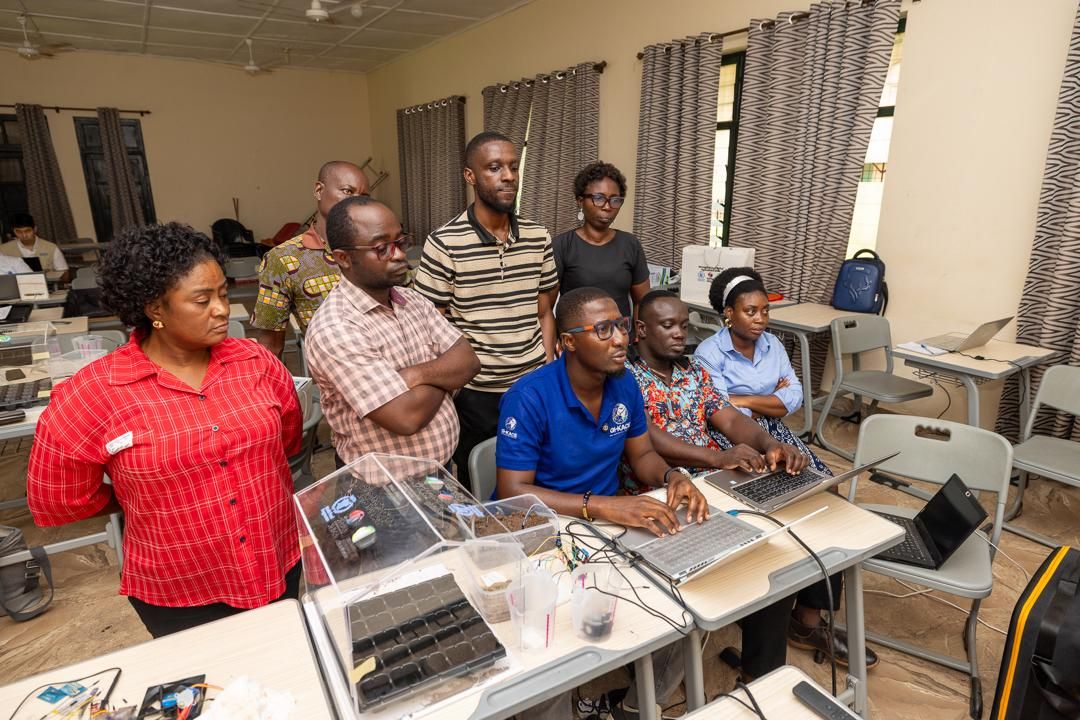
In a five‑day Training of Trainers pilot, instructors and tutors from Kwadaso, Ohawu, Ejura, Wenchi and a fifth college are learning how to use smart agriculture technologies and data‑driven solutions. Kyoreh Yoo, WFP Ghana Programme Policy Officer, explained that the programme was born from a needs assessment carried out at the five institutions to pinpoint gaps in their curricula.
"This programme was developed based on a needs assessment that was conducted across five agriculture colleges to identify gaps in their existing curricula," said Mr Yoo.
Following the assessment, WFP, with KOICA support, supplied equipment and tools to the colleges. WFP and the German agency GIZ are now training the instructors on how to use these tools effectively.
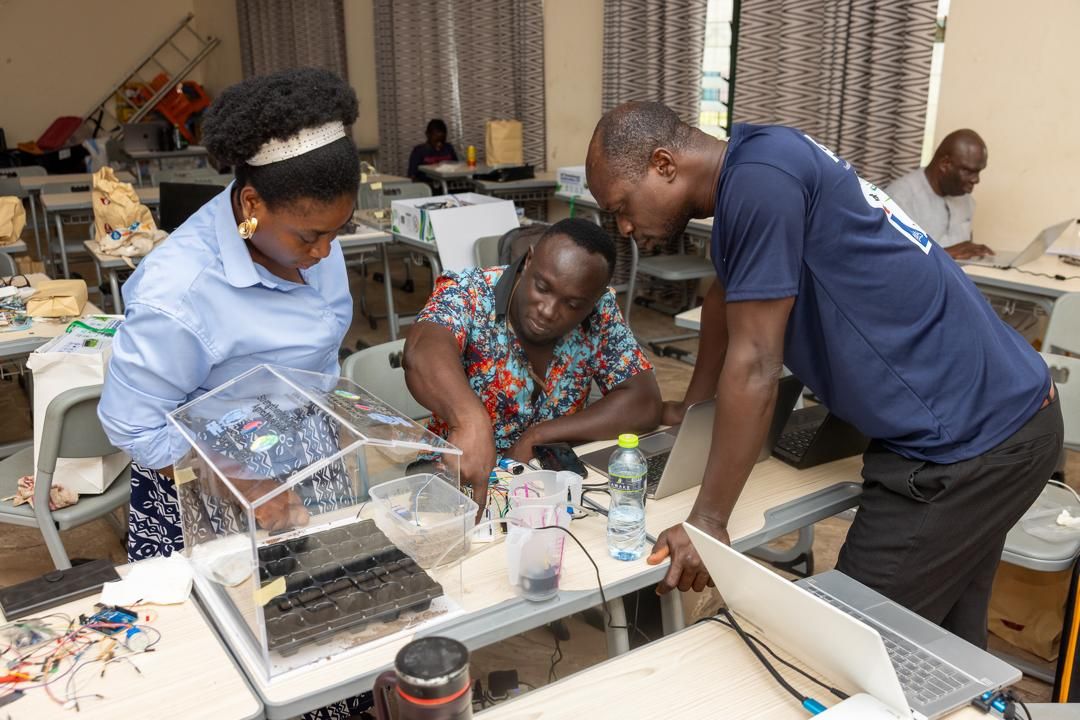
"This training is critical because having access to modern technology alone is not enough. Instructors and tutors must have the knowledge, skills and confidence to use those technologies effectively before they can pass those competencies onto their students," Mr Yoo added.
The curriculum, designed by the Ghana‑India Kofi Annan Centre of Excellence in ICT, covers five modules: smart agriculture, digital and communication skills, data‑driven applications using the Internet of Things (IoT) and smart sensors, agribusiness and digital marketing.
"This programme is intended to integrate digital technology into agriculture to ensure that agricultural activities are backed by data for good farming practices," said instructor Prescott Nyamekye.
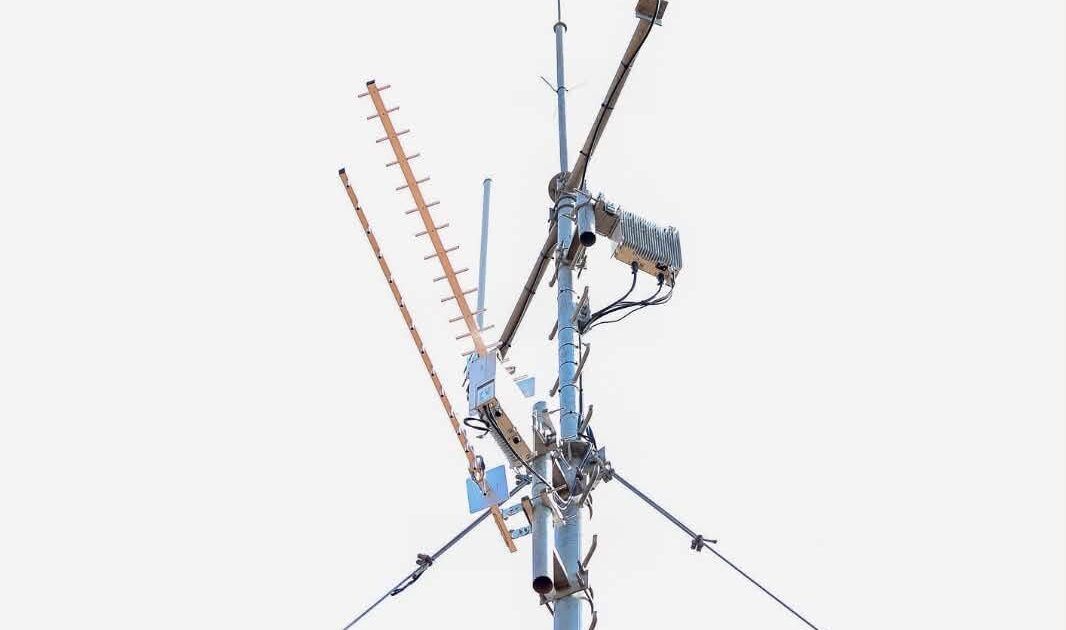
Nyamekye highlighted how weather stations can provide rainfall notifications through connected dashboards, enabling farmers to make informed decisions. He stressed that technology, including artificial intelligence, must be embraced alongside guiding principles.
CTVET’s John Jonathan Afetorgbor noted that Ghana still faces a gap between training and industry needs. He said the programme’s practical focus is meant to prepare graduates for real‑world agricultural roles.
"We have a very serious challenge with the divide between training and industry, where graduates are unable to secure jobs because they lack requisite competencies despite having degrees and certificates," he said.
Afetorgbor added that, after the pilot, CTVET plans to award certificates and grant accreditation to participating colleges, integrating the digital agriculture curriculum into existing Higher National Diploma, Certificate One and Certificate Two programmes.
Participants reported that the training would enhance their ability to deliver practical lessons and better prepare students for the demands of modern farming. The pilot phase will be followed by monitoring visits to assess how the skills are being incorporated into teaching and learning.
As the programme rolls out, stakeholders anticipate that equipping students with digital knowledge and hands‑on experience will make agriculture more productive, efficient and attractive to Ghana’s youth.