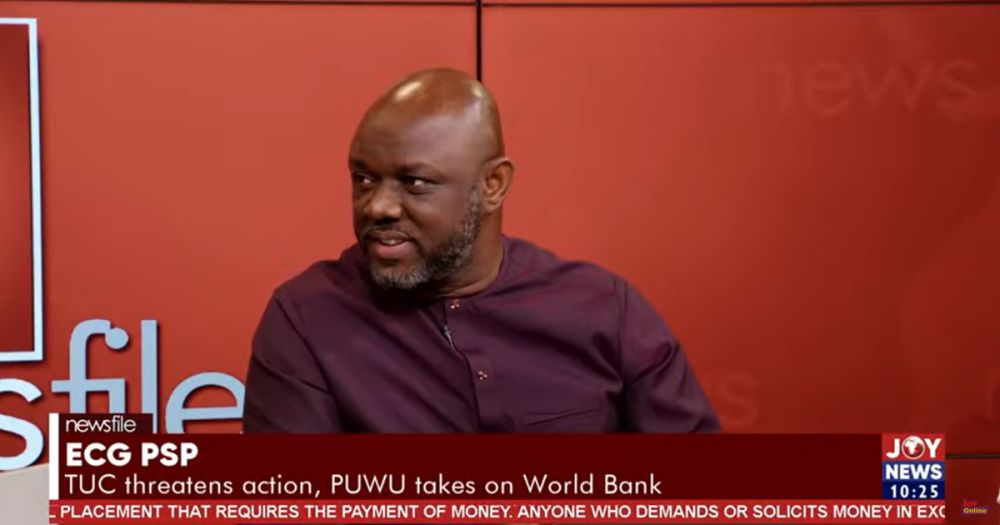
Ghana’s Chamber of Petroleum Consumers (COPEC) has urged the government to abandon short‑term fuel subsidies and adopt a medium‑to‑long‑term strategy to shield consumers from escalating petroleum costs. Executive Director Duncan Amoah told Channel One Newsroom that repeated price‑cushioning interventions are unsustainable amid a backdrop of rising global crude prices.
He noted that the recent GH¢2‑per‑litre diesel reduction offered only temporary relief and stressed the need for a more permanent mechanism to manage future price shocks. Amoah proposed the creation of a strategic petroleum reserve that would allow the country to purchase fuel when international prices are low and release it during surges.
“Within the medium to long term, start thinking about a strategic reserve program so that you don’t always have to go back to government to ask for some relief by way of subsidy in order to mitigate prices,” he said. He added that the BOST margin or levy could be redirected to fund such a reserve.
Amoah warned that geopolitical tensions and potential supply disruptions make it imperative for Ghana to prepare for further price increases. He cited COPEC’s projections of a 4.24 percent rise in petrol and a 10.23 percent jump in diesel from 16 September, with LPG expected at about GH¢15.32 per kilogram.
COPEC’s stance signals a push for structural reforms in fuel pricing, moving away from ad‑hoc subsidies toward a resilient, market‑based approach that could reduce the fiscal burden on the state while protecting consumers from volatile international markets.