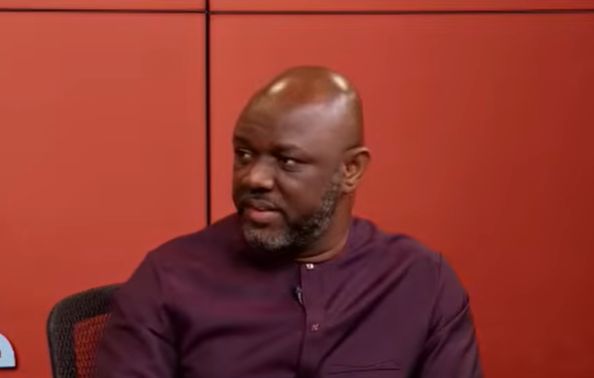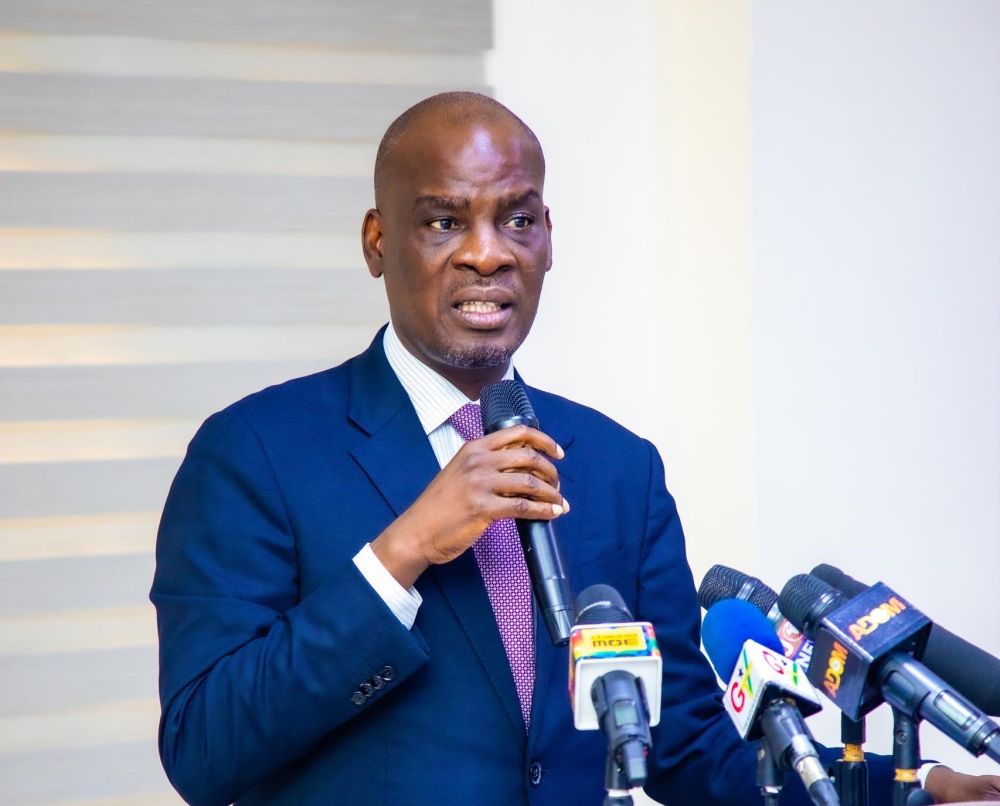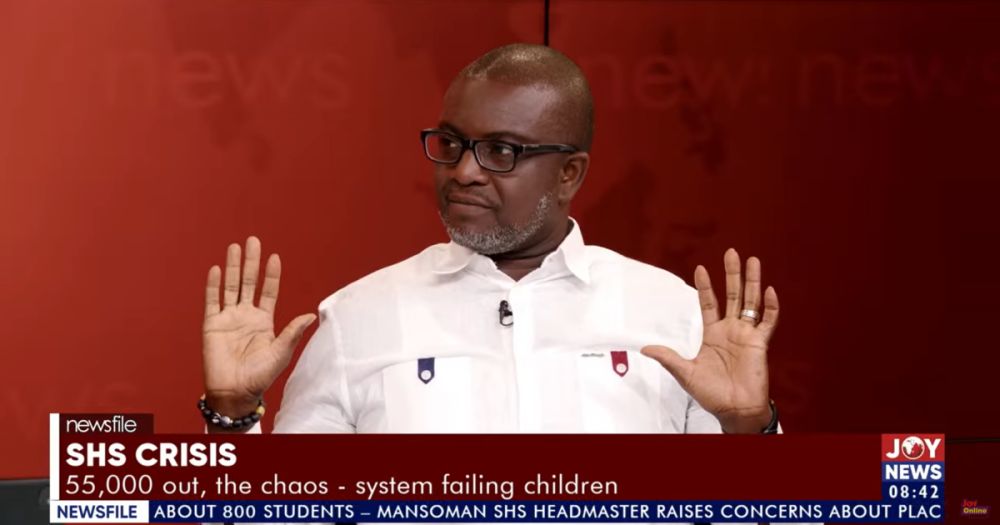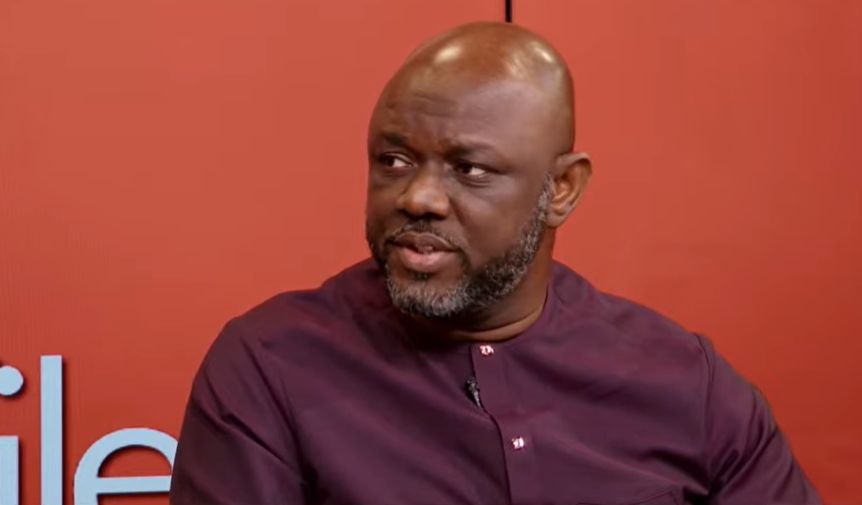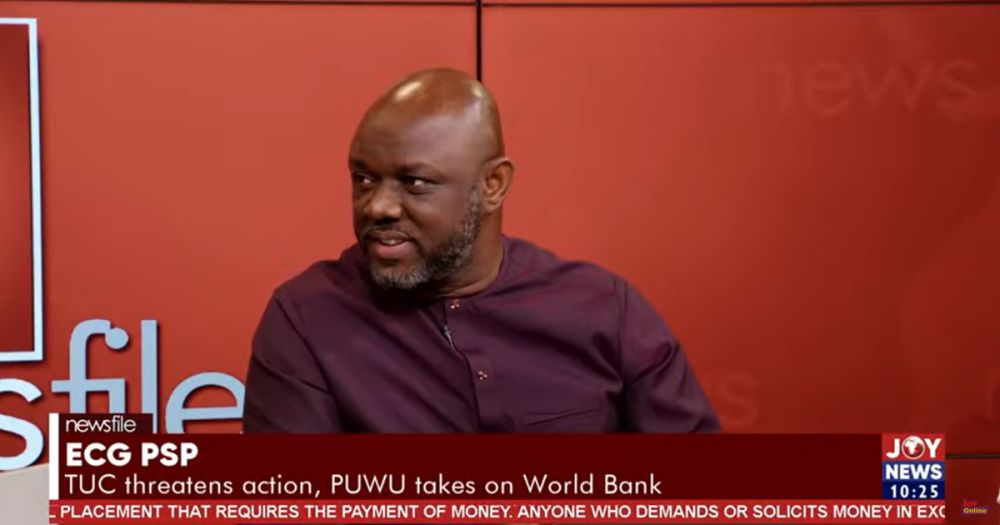
Ben Boakye, Executive Director of the African Centre for Energy Policy, said on JoyNews’ Newsfile that Ghana’s energy sector inefficiencies are not only depleting the national budget but also aggravating inequality among citizens.
Boakye highlighted that the country already knows the fundamental problems affecting the sector and should focus on fixing them rather than financing their consequences. He pointed to an annual spending of about GH¢3.5 billion, which he argues is trivial compared with the waste and financial losses within the sector, especially at the Electricity Company of Ghana (ECG).
According to the ACEP chief, ECG alone records losses of more than GH¢20 billion per year, a figure that ultimately falls on the national budget. He added that the true cost of running the energy system could approach GH¢40 billion when borrowing to meet obligations to independent power producers and fuel costs is included.
Ghana has raised cedi‑denominated bonds at interest rates sometimes above 20 percent and also turned to Eurobond borrowing, some of which has been used to settle IPP debts and pay for fuel. When the interest costs on those borrowings are combined with recurring debts generated through ECG, Boakye estimates the total annual cost could approach GH¢40 billion.
Boakye warned that the social consequences of the sector’s financial problems are often overlooked. He argued that ordinary citizens are effectively contributing toward servicing energy‑sector debts through public finances, yet many still lack reliable electricity. The cycle of debt and inefficiency, he said, forces taxpayers to shoulder an increasing burden without commensurate improvements in services.
He also addressed concerns that greater private‑sector participation in ECG could lead to the state losing control of a strategic asset. Boakye rejected that premise, stating that ownership and regulation are separate issues and that the state remains the ultimate regulator. He urged that any reform focus on efficiency, waste reduction, consumer protection and financial sustainability while preserving effective regulatory oversight.
The debate comes amid growing controversy over proposed reforms to ECG, with the Trades Union Congress threatening action and the Public Utilities Workers’ Union raising concerns with the World Bank. Boakye said Ghana cannot afford to preserve an arrangement that continues to impose a heavy burden on the national purse.
He concluded that the ultimate test of any reform should be whether it reduces waste, improves efficiency, protects consumers and makes the energy sector financially sustainable, while ensuring that the state retains effective regulatory oversight.