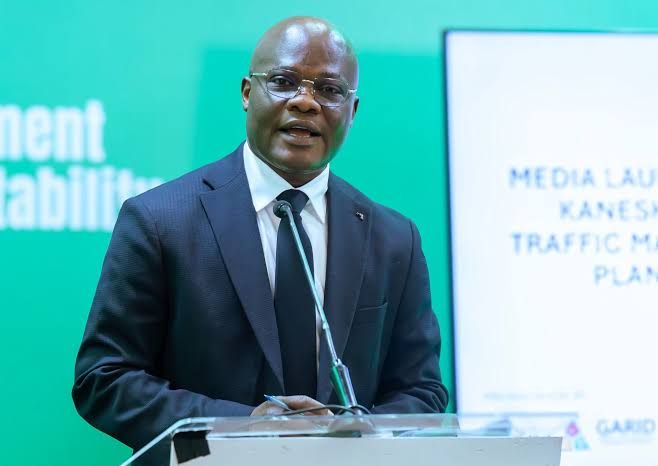
Minister of Works and Housing Ahmed Ibrahim said Ghana’s expanding infrastructure sector could create significant opportunities for local construction companies. He highlighted the Big Push Infrastructure Programme, the Accra‑Kumasi Highway and the 24‑hour economy as key projects that could spur business growth, job creation and capacity development for indigenous firms.
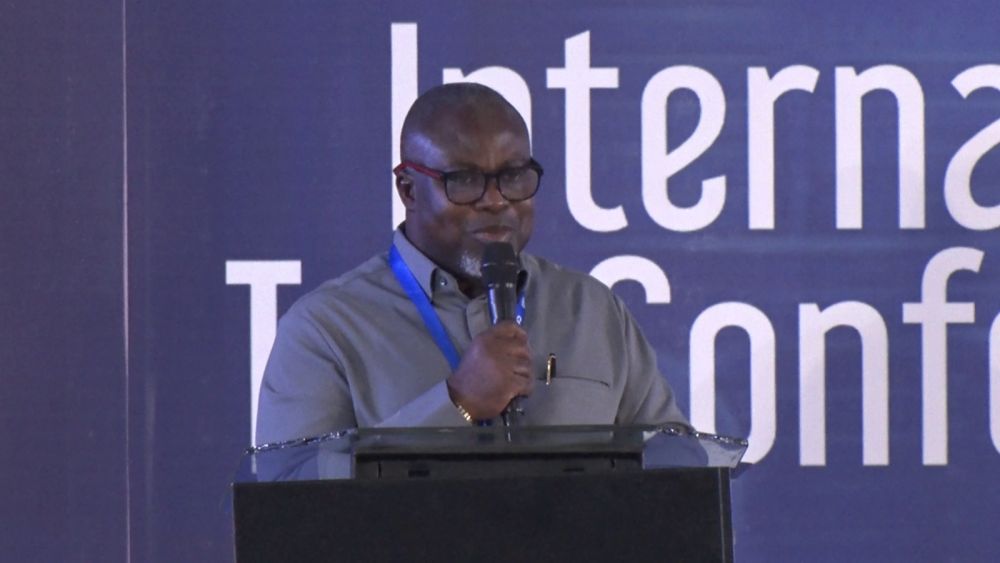
Speaking at a Stakeholders’ Consultative Forum on Structured Project Contracting and Subcontracting organised by the Ghana National Chamber of Construction Industry, Ibrahim urged that infrastructure development must go hand in hand with the growth of Ghanaian enterprises. “Are we simply building infrastructure? Or are we also building the capacity of Ghanaian enterprises to deliver the infrastructure of tomorrow? For us, the answer must be both,” he said.
The minister stressed the need for structured subcontracting arrangements that would allow smaller Ghanaian firms to participate meaningfully in major projects. He warned that subcontracting should not merely involve assigning smaller portions of work to local companies, but should also facilitate skills development, technology acquisition and enterprise growth. “So, subcontractors should not simply be a mechanism for assigning smaller portions of work to local firms. It should be deliberately used for capacity building, skills transfer, technology acquisition and enterprise development,” Ibrahim added.
He called on indigenous contractors to form partnerships and consortiums to improve their competitiveness for major projects. The minister also urged improved access to working capital, affordable equipment financing, guarantees, insurance and timely payments to support local construction companies. “Our contractors need access to working capital,” he said, adding that the government has a responsibility to improve procurement and contractor arrangements to facilitate genuine local participation while maintaining transparency, value for money and quality.
In addition, Ibrahim urged international contractors and investors operating in Ghana to support the development of local enterprises through joint ventures, technology transfer and the integration of Ghanaian businesses into supply chains.
Emmanuel Cherry, CEO of the Ghana National Chamber of Construction Industry, echoed the minister’s call for structured subcontracting. He noted that while the Ministry of Roads and Highways records over 5,000 contractors, only a little over 100 are currently working on the Big Push. “What happens to the rest? Does that mean that the rest do not have anything to do?” Cherry asked. He said the Chamber is advocating a structured approach that would broaden participation among local contractors, insisting that every contractor must employ additional subcontractors on a particular project.
Ghana’s infrastructure expansion, the minister said, presents a chance for local firms to grow, but only if the government and industry work together to create a level playing field and build capacity through structured subcontracting and better financing.