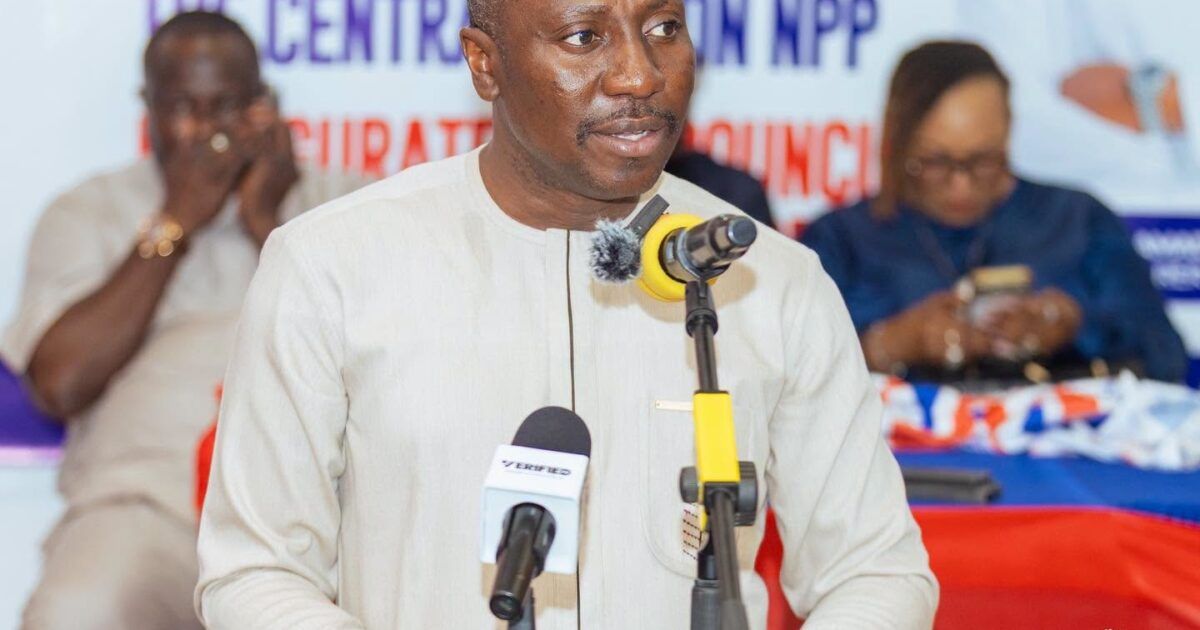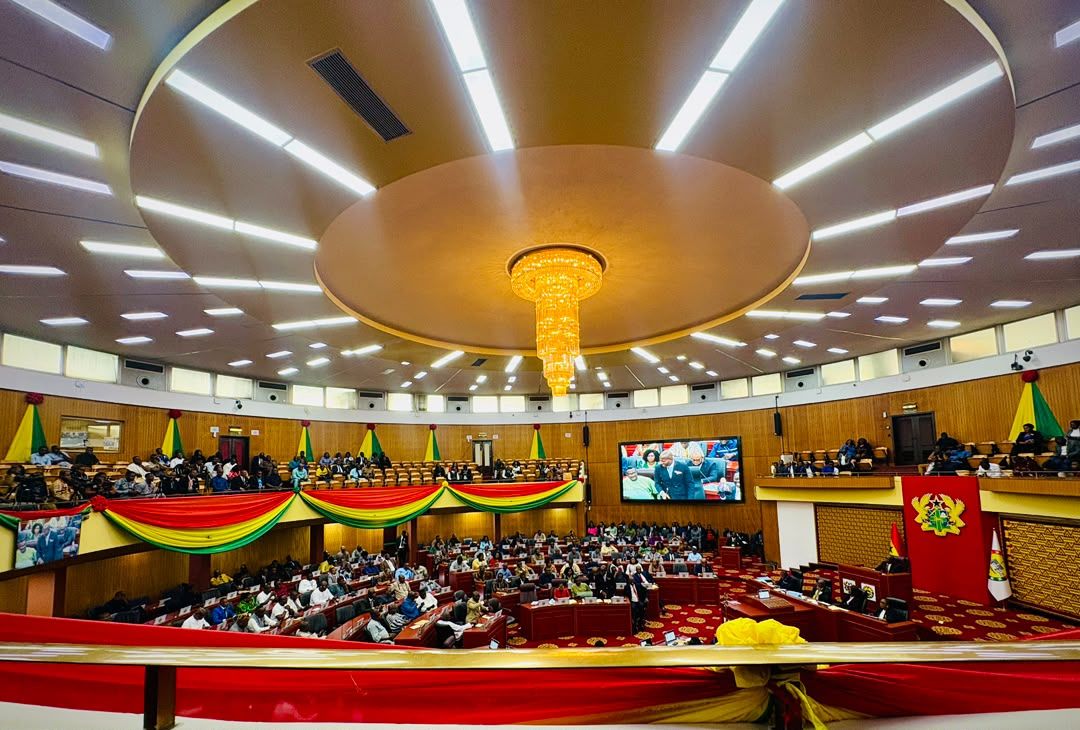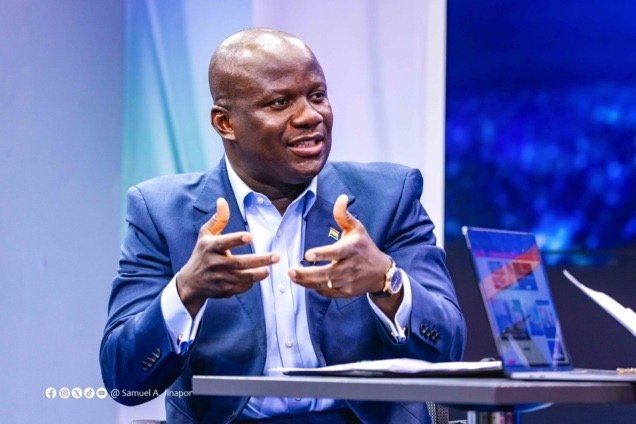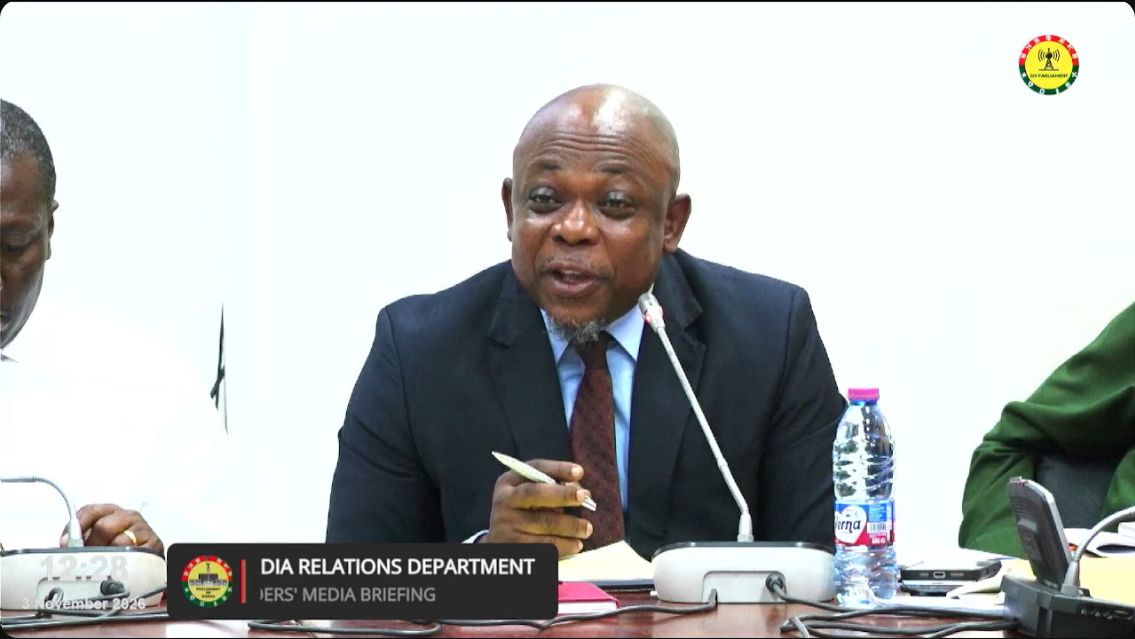
On Tuesday, November 3, 2026, Majority Leader James Agalga defended the government’s 24‑hour economy policy before Parliament, citing the rapid uptake by fuel stations and manufacturing firms across Ghana.
Agalga explained that the initiative is not a one‑off event but a gradual process designed to expand economic activity and create more opportunities for businesses to operate beyond conventional hours. He added that the policy is already working, with more than 300 filling stations now running a one‑three‑three shift system.
"The 24‑hour economy is working, but we made it clear that the 24‑hour economy is not an event. No, it’s a process," Agalga said. He further noted that when manufacturing companies and factories are included, the total number of participants should approach 500.
Agalga’s remarks aimed to counter criticism that the policy’s implementation was lacking. He urged critics not to judge the programme solely by its immediate results, arguing that full implementation would take time.
The Majority Leader also indicated that the government would provide further details on its economic programmes, including the 24‑hour economy, when the Finance Minister presents the national Budget.