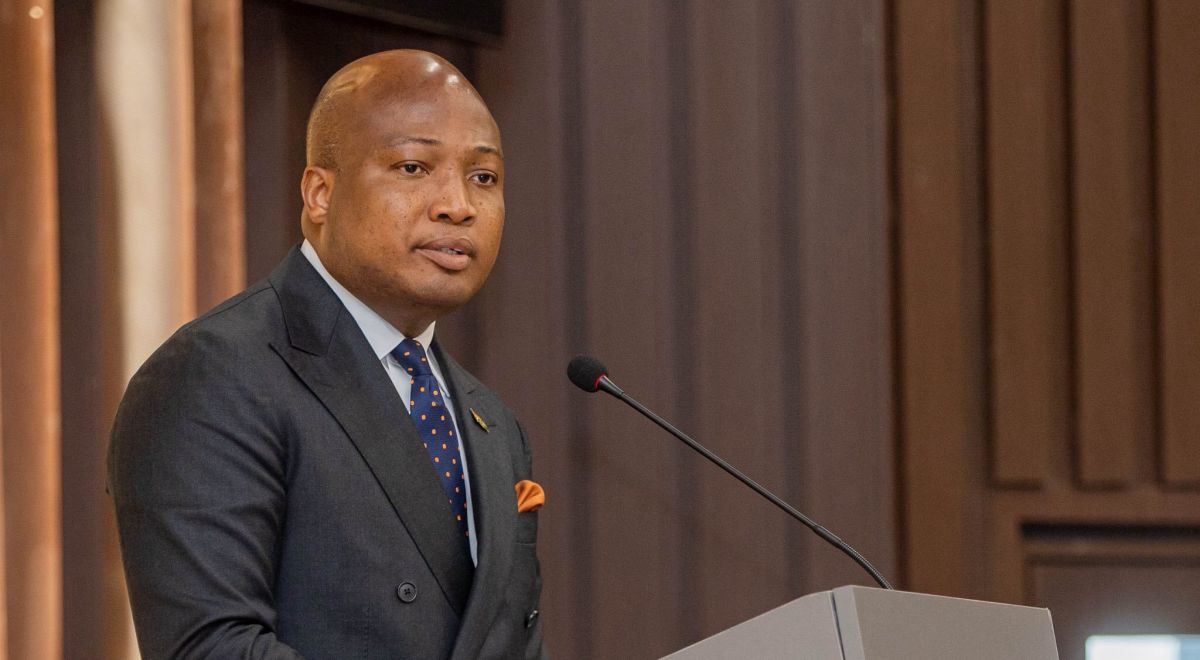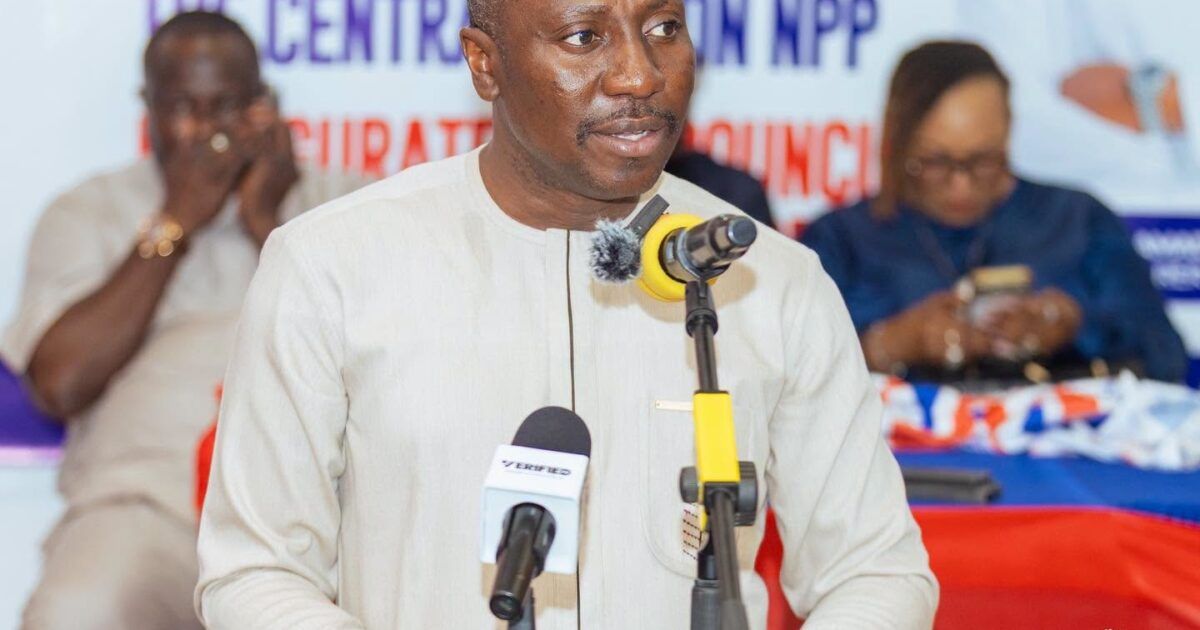
At the opening of the Sixth Conference and General Meeting of the African Organisation of Public Accounts Committees (AFROPAC) in Accra, Alexander Afenyo‑Markin, the Minority Leader in Parliament, urged African countries to stop merely identifying financial irregularities and to enforce audit recommendations effectively.
Speaking to a gathering of Public Accounts Committee members, parliamentary officials, auditors and governance experts, Mr Afenyo‑Markin said that public financial accountability could not be measured by the number of audit reports produced or hearings conducted, but by the corrective actions taken, public funds recovered and sanctions imposed where wrongdoing had been established.
He warned that “audit the same failures year after year without holding anyone accountable” would continue to harm citizens, citing inadequate healthcare facilities, poor educational infrastructure, unfinished roads and limited access to essential public services as real‑life consequences of weak accountability.
Highlighting Africa’s economic turbulence—macroeconomic shocks, expanding debt obligations, inflationary pressures and shrinking fiscal space—he noted that citizens are increasingly informed and demanding greater transparency in the management of public resources.
Mr Afenyo‑Markin identified the implementation of audit recommendations as one of the most significant challenges confronting public financial management systems across the continent. “Year after year, audit reports reveal irregular expenditures, procurement breaches, weaknesses in revenue collection and deficiencies in public asset management, yet the key question remains: what happens after the hearings have ended?” he asked.
To address the issue, he proposed five structural reforms: institutionalising real‑time and concurrent oversight mechanisms; enhancing forensic and digital auditing capabilities of committee secretariats; statutory tracking and enforcement of audit recommendations; increased scrutiny of sovereign debt and illicit financial flows; and stronger inter‑parliamentary intelligence‑sharing arrangements.
He stressed that evolving financial systems—digital public financial management platforms, public‑private partnerships, sovereign debt instruments and cross‑border transactions—require oversight institutions to adopt modern approaches. “If our committees remain anchored in analogue, delayed oversight mechanisms, our democratic demand for accountability will fail,” he said.
Mr Afenyo‑Markin also called for greater collaboration among African legislatures through AFROPAC to share best practices and develop common approaches to addressing public financial management challenges, noting that while constitutional arrangements differ, many accountability challenges are similar.
He urged both majority and minority lawmakers to approach oversight responsibilities with fairness, diligence and fidelity to evidence, reminding that public financial accountability must never become a principle defended only when in opposition.
Concluding, he urged delegates to use the conference as an opportunity to renew their commitment to strong parliamentary oversight and effective protection of public resources. “The strength of African parliaments will not be measured by the number of bills they pass, but by the vigilance with which they guard the public purse,” he said.