The United States has announced visa restrictions targeting South African officials it accuses of discriminating against the country’s white minority, marking a sharp rise in diplomatic friction between the two nations.
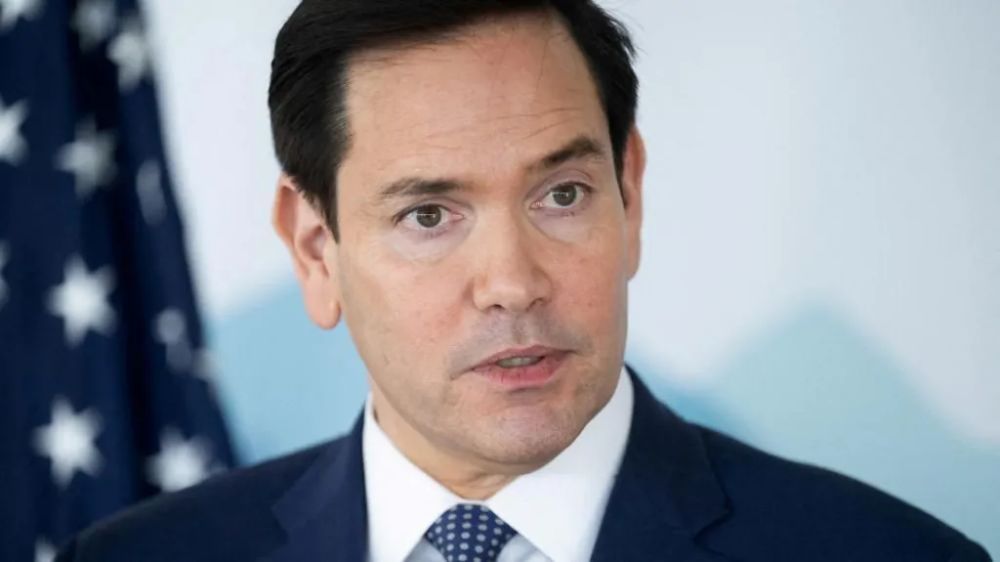
Secretary of State Marco Rubio said the restrictions would target those who promote “race‑based discrimination, incite violence, or enable land confiscation without compensation in South Africa.” He did not name any individuals directly.
South Africa has repeatedly denied the claims, stating that its land reform law allows expropriation only in the public interest and that compensation must be sought in most cases. The government also rejected allegations of a “white genocide” and said recent crime statistics do not show a higher rate of violent crime against white people.
President Donald Trump’s administration has criticized South Africa over several issues, including policies aimed at addressing racial inequality that it says discriminate against Afrikaners. The US has also cut aid, expelled the South African ambassador and offered “refuge” to white South Africans fleeing “persecution.”
Rubio warned that the new visa restrictions were the beginning of tougher measures, stating that the policy was “only the first step in a series of escalatory measures that will show America’s firm resolve.” The US embassy in Pretoria said Washington believed dialogue had run its course and accused the African country of failing to demonstrate a commitment to strong bilateral relations.
South Africa has attempted to soothe tensions, with President Cyril Ramaphosa visiting the White House last May with a delegation that included white members of his coalition government and well‑known white golfers. However, Trump’s claims of widespread persecution of white South African farmers have been widely discredited.
With the new visa restrictions in place under a provision that allows the secretary of state to bar foreign nationals whose entry is considered potentially damaging to US foreign policy interests, both governments are now at a crossroads. The next steps will likely involve further diplomatic negotiations or additional sanctions, depending on how Washington and Pretoria respond to the escalating situation.