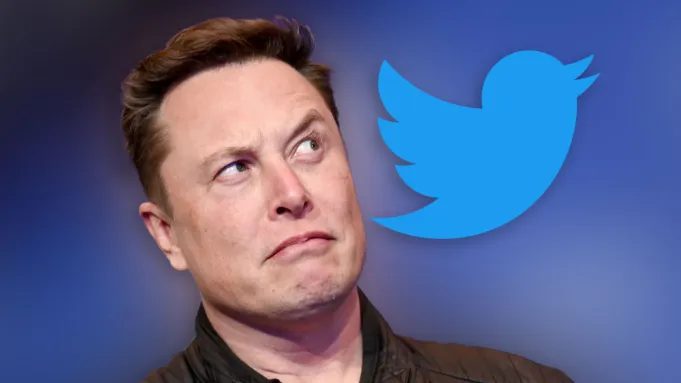
Twitter is making an unexpected return, with a former Twitter lawyer launching a new social platform using the name, branding and blue bird that disappeared when Elon Musk rebranded the platform as X in 2023.
Stephen Coates, who served as Twitter's first trademark counsel and later held senior legal roles at the company, is behind Operation Bluebird, the startup that launched Twitter.now in late August. The platform is currently in early testing, with the company positioning it not simply as a recreation of Twitter, but as an attempt to rethink how social media moderation works.
The timing is deliberate. When Musk acquired Twitter in 2022, he eventually replaced the company's name and branding with X, retiring the blue bird and much of the vocabulary associated with the platform. Operation Bluebird argues that in abandoning the Twitter identity, X also abandoned trademark rights associated with names including "Twitter" and "tweet." That argument is now being tested in court.
Operation Bluebird filed a petition with the US Patent and Trademark Office in December 2025 seeking cancellation of X's Twitter and tweet trademarks, arguing that they had been abandoned following the rebrand. The startup subsequently applied for its own Twitter trademark. X has responded with legal action, alleging trademark and copyright infringement and seeking to prevent the new platform from operating under the Twitter identity.
For Coates, however, the fight is about more than bringing back a familiar logo. Twitter.now is being built around a different approach to content moderation, one that gives users greater control over what they see. Its VERA AI system is designed to assess posts, check claims, provide context and sources, and assign content a trust score. Users will ultimately be able to set their own thresholds for how much potentially misleading or harmful content they are willing to see.
The thinking is summed up by Coates' distinction between freedom of speech and freedom of reach: users can post lawful content, but that does not necessarily mean an algorithm should distribute it widely. It marks a notable departure from the idea that a platform should have one central moderation policy determining what millions of people see; instead, Twitter.now wants moderation to become something closer to a personal setting.
That makes the revived Twitter name almost as important as the technology behind it. The startup is effectively betting that the original brand still carries enough cultural weight to attract users, and that people who remember Twitter before the X rebrand may be willing to give the old identity another try. Whether it can legally keep that identity is another question.
A judge has yet to issue a final ruling in the dispute. In an earlier stage of the case, however, a judge indicated that X had not provided sufficient evidence to establish ownership of some of the disputed Twitter-related marks, including the bird logo and "tweet."