The Ghana Statistical Service reported that the nation’s trade surplus contracted by about 70% in the second quarter of 2026, falling from US$4.3 billion in the first quarter to US$1.3 billion. The narrowing surplus was largely a result of a sharp rise in imports, which outpaced export performance.
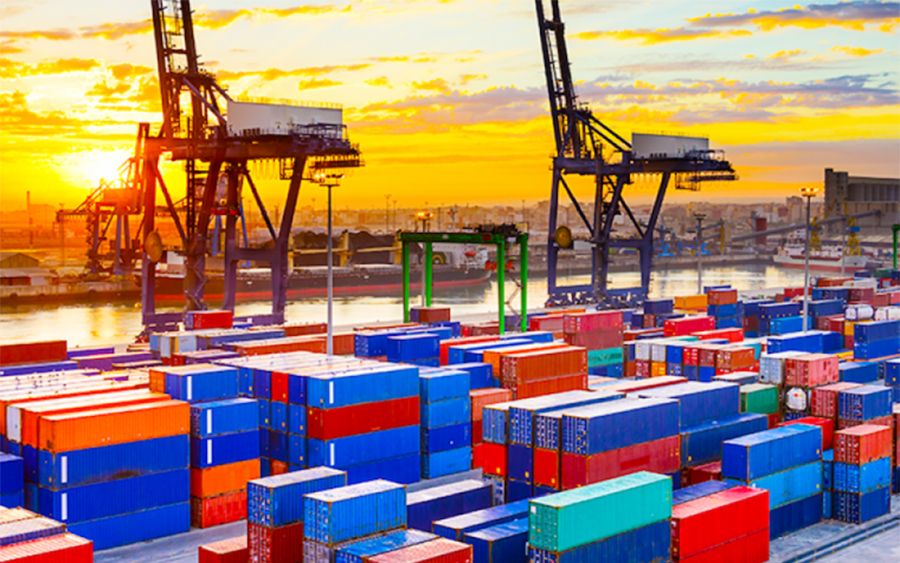
Exports slipped 1.6% between the first and second quarters, while imports leapt 47.5%. Total exports reached GH₵108.5 billion (≈US$9.6 billion) against imports of GH₵94.7 billion (≈US$8.3 billion), bringing total merchandise trade to about US$17.9 billion.
Gold remained the dominant export, generating GH₵78.4 billion and accounting for 72.3% of total exports. Crude petroleum followed at GH₵11.6 billion, or 10.7%. The top five export products together made up 89% of Ghana’s total export basket.
Import prices rose 22.7% in the quarter, with fuel prices climbing 54.1%. Minerals, fuel and oil accounted for roughly 30% of the import bill, with gas oil (diesel) the largest single product at GH₵12.2 billion.
China remained Ghana’s largest source of imports, supplying goods worth GH₵20.4 billion, though its share fell from 29.7% to 21.5%. South Africa moved into second place with imports valued at GH₵11.8 billion. On the export side, the United Arab Emirates was the top destination, purchasing GH₵32.7 billion worth of Ghanaian goods (30.2% of total exports). The UAE and India together accounted for 46.4% of exports.
Trade with West Africa reached a record US$1.33 billion, yet Ghana recorded its first trade deficit with the sub‑region, about US$250 million. Exports to West Africa were more diversified, with the top five products accounting for 39.4% of that trade versus 89% globally.
These figures highlight a widening imbalance between Ghana’s export earnings and import bill, underscoring the need for broader diversification of both export and import portfolios.