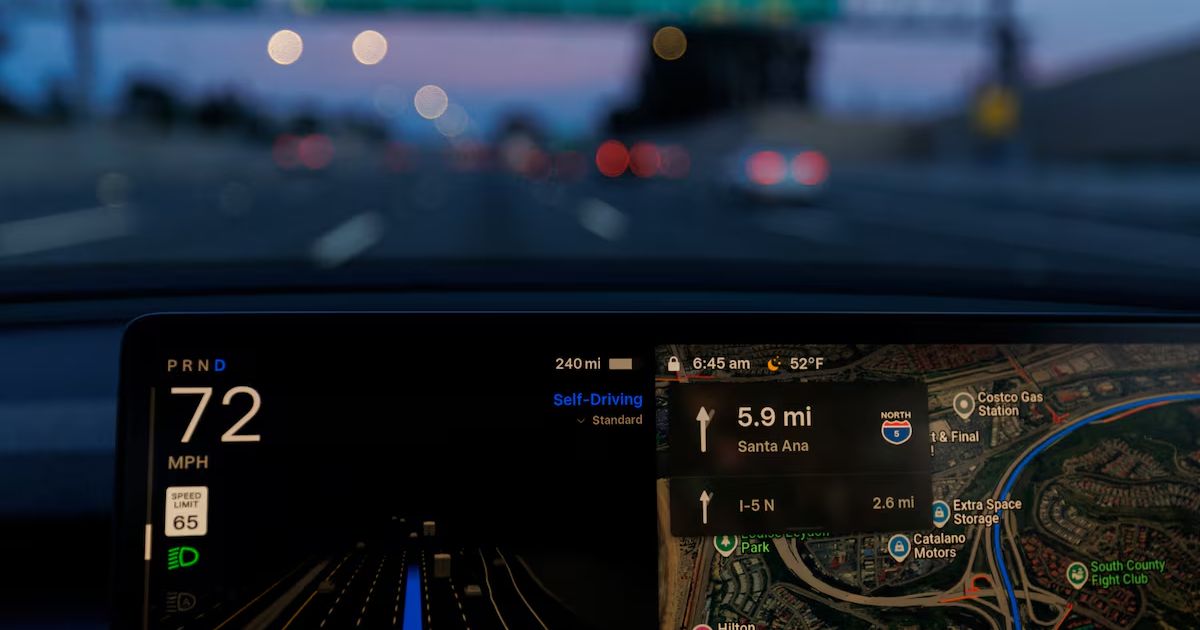
Tesla has marketed its Full Self‑Driving (FSD) driver‑assistance package to South Korean buyers for years, collecting lump‑sum payments of 9.043 million won ($6,726) per vehicle. The software, however, can only be legally used on about 20 % of Teslas registered in the country – those built in the United States and meeting U.S. safety standards that South Korea recognises under a free‑trade agreement, according to a forthcoming complaint to the Korea Fair Trade Commission (KFTC).
Most Teslas sold in South Korea are manufactured in China, where no such agreement exists. Tesla only recently began the process of certifying FSD for China‑made vehicles, despite charging customers for the feature for more than three years. The company has sold over 170,000 Shanghai‑produced Teslas in the market since 2023.
Citizens United for Consumer Sovereignty, an advocacy group, says Tesla generated substantial revenue by selling an expensive driver‑assistance system to mass‑market buyers who could not use it for even a single day. The group plans to file a formal complaint with the KFTC, asking for a temporary cease‑and‑desist order on marketing FSD for ineligible vehicles, administrative fines and referral to state investigators.
Tesla’s Korea country manager, Seo Young‑deuk, testified in October that the company had not formally requested FSD testing from the transport ministry, though it applied for certification two weeks later. The ministry has stated that FSD does not comply with local safety rules, including the requirement that drivers keep their hands on the wheel.
In August, Tesla shifted from a one‑time payment model to a monthly subscription of 150,000 won ($112) for FSD. The company has also promoted the feature as “coming soon,” posting a demonstration video filmed in South Korea without disclosing that the technology could only be used in a small fraction of Teslas being sold.
A Seoul court last month dismissed a lawsuit by Tesla owners seeking refunds for the unactivated FSD option, citing regulatory and legal restrictions that limited the company’s ability to roll out additional functions. The complaint to the KFTC is expected to launch a probe into Tesla’s advertising practices earlier this year.
What to watch: The KFTC’s investigation could lead to fines and a halt to FSD marketing in South Korea, and may prompt a review of Tesla’s sales practices in other markets where regulatory approvals differ.