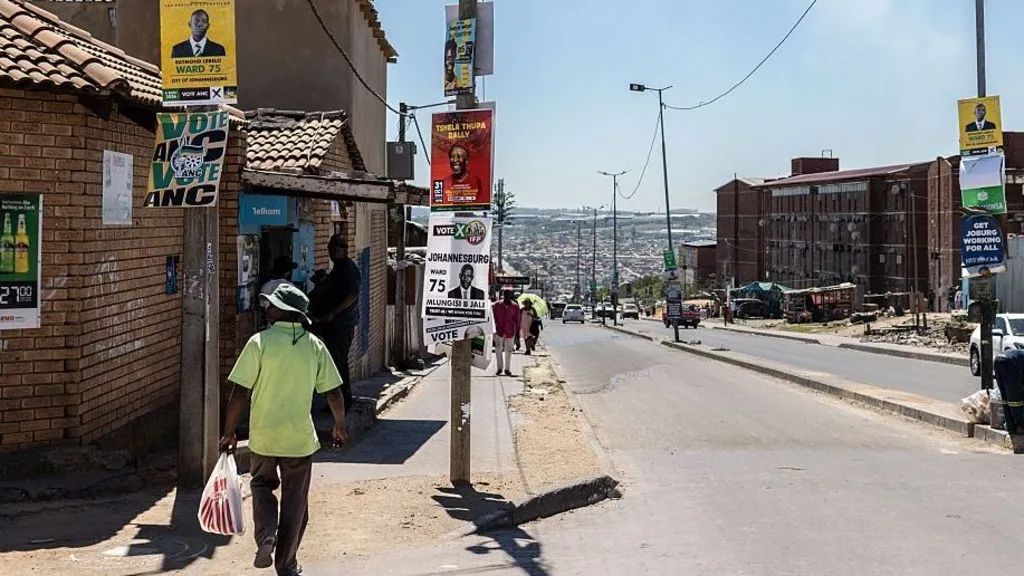
South Africans are casting ballots in a local election that could see the ANC, the country’s former ruling party, lose a significant share of its traditional support base. The vote, held on 4 November, covers almost 300 municipalities that manage essential services such as water, electricity and waste collection.
In the last national election, the ANC lost its parliamentary majority for the first time since 1994, and its vote share has fallen from 70% in 2004 to 40% two decades later. Polls this year predict a further drop, with the party projected to secure only 30% of the vote, down from 46% in 2021.

President Cyril Ramaphosa has denied that the ANC is in a downward spiral, telling supporters at the party’s final rally that the party is “going higher and higher.” Yet in township areas such as Alexandra, voter apathy and complaints over poor service delivery are eroding confidence.
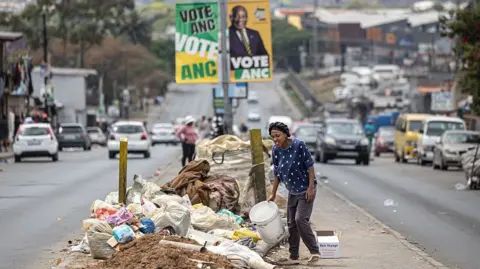
Residents like 18‑year‑old Sanele Ntombela, who is voting for the first time, hope the election will bring change, while others such as 33‑year‑old Zandile Mncube refuse to vote, citing deteriorating services. The contrast between Alexandra’s neglected streets and the well‑maintained roads of nearby Sandton highlights the disparities that voters face.
Auditor‑general reports show that only 39 of South Africa’s 257 municipalities achieved a clean audit between 2024 and 2025, and none of the three Gauteng metros—Johannesburg, Tshwane and Ekurhuleni—made the list. Johannesburg has been labelled “effectively bankrupt,” with ongoing financial and service delivery crises.
Experts say the election will be a verdict on the ANC’s ability to govern. The Democratic Alliance is expected to gain ground, particularly in Johannesburg, where it could capture 25% of the vote.
As the results roll in, all eyes will remain on Johannesburg and the other major metros, where coalition governments dominate and the ANC remains the largest party.