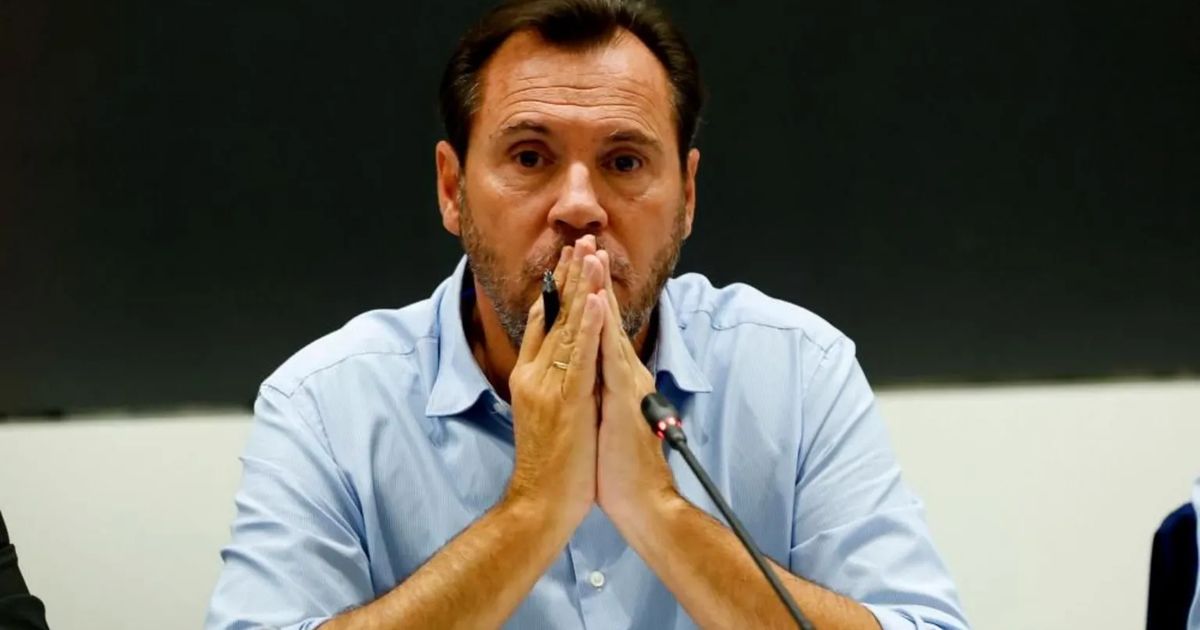
In a Madrid news conference on Friday, Spain’s transport minister Óscar Puente announced that he would not step down following the high‑speed train collision that killed at least 69 people near the town of Urda in Toledo province.
Puente, who has faced calls for his resignation from political rivals, a trade union and demonstrators, said he had "nothing to hide" and that his priority was to investigate the incident and find solutions. He added that the government would "get to the bottom" of the disaster and that any human error uncovered would be acted upon.
The crash occurred on Wednesday morning when a Renfe high‑speed train, travelling between 160 km/h and 200 km/h, slammed into the rear of a stationary Iryo train. A preliminary report indicated a computer failure at 08:30 that halted six moving trains, including the two that collided.
Leaked audio recordings revealed that the Madrid control centre had given clearance for a train to move while another was stalled 25 km ahead. The recordings have drawn criticism from Spanish politicians, with Alberto Ibáñez calling them "despicable".
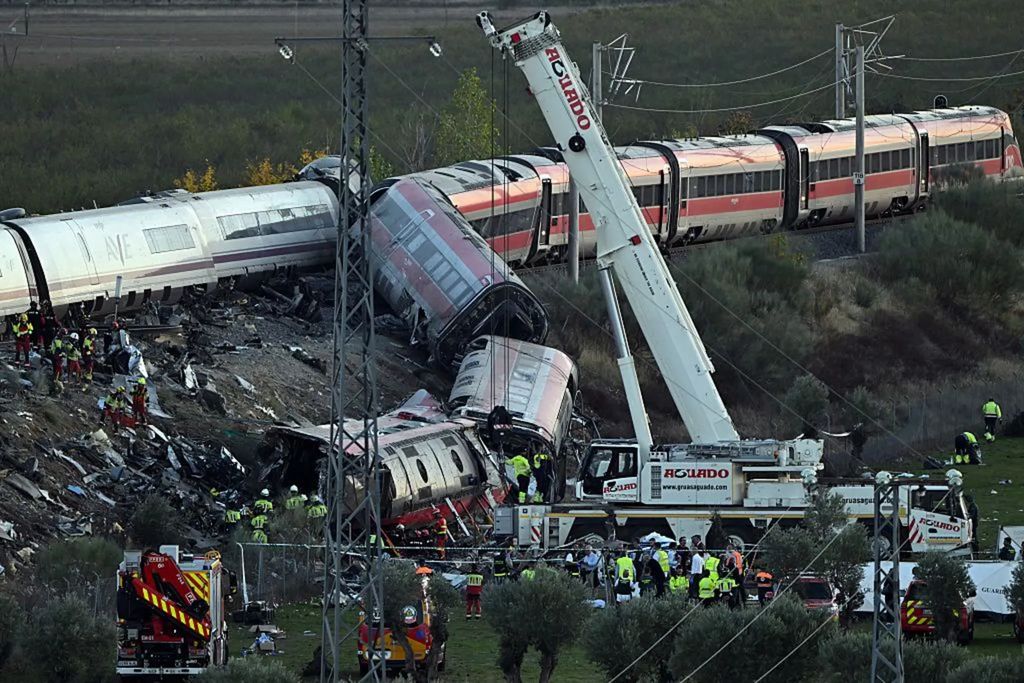
Prime Minister Pedro Sánchez said the public trust in Spain’s high‑speed rail network had been broken, noting this was the worst crash since 2013 and the second major tragedy on the Madrid‑Seville line in a year.
Puente declined to use any worker as a shield and said the investigation would look at each question individually. He stated that leaving would not fit his character or the Prime Minister’s instructions.
Families of victims, including a 24‑year‑old athlete and a former minister, are still awaiting information. The country is observing three days of mourning as survivors and relatives grapple with the tragedy.