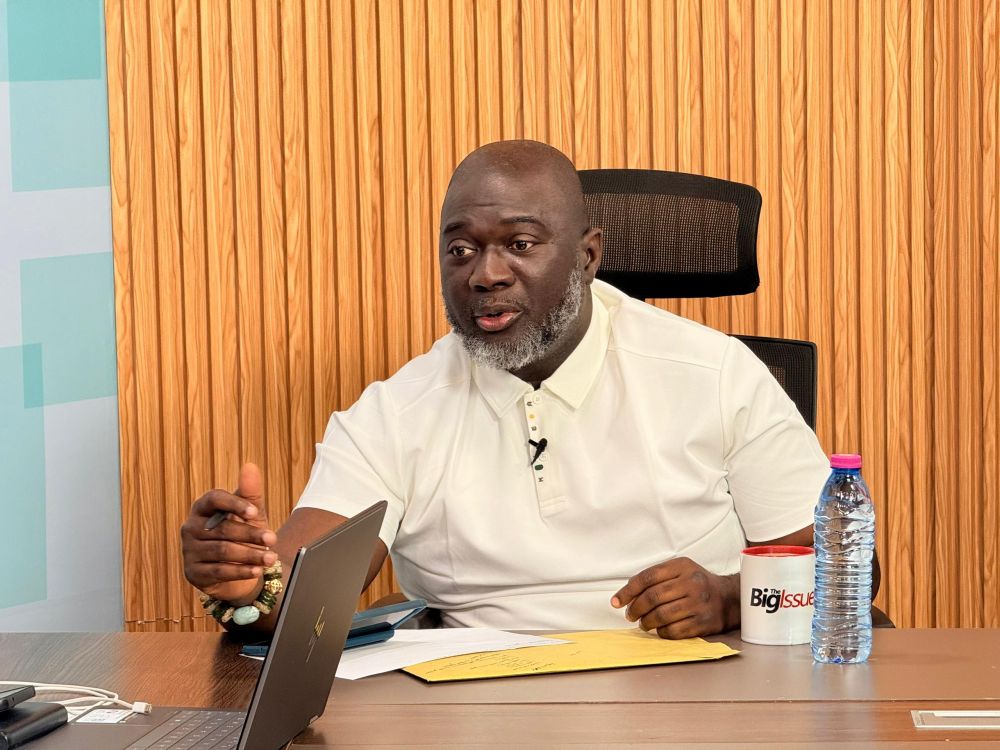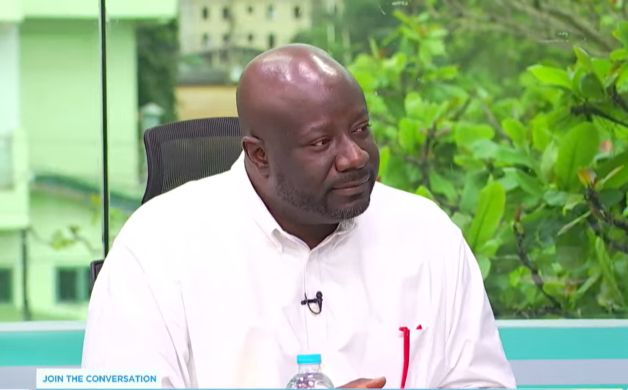
Professor Smart Sarpong, a political analyst and researcher, said on Eyewitness News that criticism of his polling work will not deter him from continuing his studies and analysis of political trends.
He explained that his research is grounded in data analysis and established methodologies, and should not be abandoned simply because some members of the public question or ridicule his findings.
"Mine is research and data analysis. I am a professor of research, design and data analysis. So, I don’t stop doing what I’ve been trained to do," he told the programme on Tuesday, September 22, 2026.
Prof Sarpong added that researchers provide a snapshot of what is happening at a particular point in time and should not be expected to treat their findings as a representation of future events. "What we do is that we give you the feeling of what is happening at the time. The world is not static," he said.
He noted that once an election is held, researchers can compare their projections with the actual results and examine the factors that account for any differences. "Every researcher is ready to measure the difference between the predicted and the actual. No researcher goes into prediction and says, this is actual," he said.
Such comparisons, he said, are vital for improving research methodologies and understanding changes in public opinion. "Then we see what’s attributed to the variation between the prediction and the actual. Then learning is achieved. Then we move on," he added.
Prof Sarpong also defended his 2024 election polls, arguing that critics often focus on the eventual outcome without examining the methodology and conditions contained in the research report. He said his 2024 analysis examined voter turnout and its relationship with the eventual outcome, maintaining that the report itself contained the basis for his assessment.
"The reason why one has won, or one has failed to win, is contained in the write‑up. Unfortunately, I do write my research reports. I don’t only talk about them," he said.
He urged the public to examine the underlying research rather than rely on social media commentary, noting that his reports remain available for scrutiny.