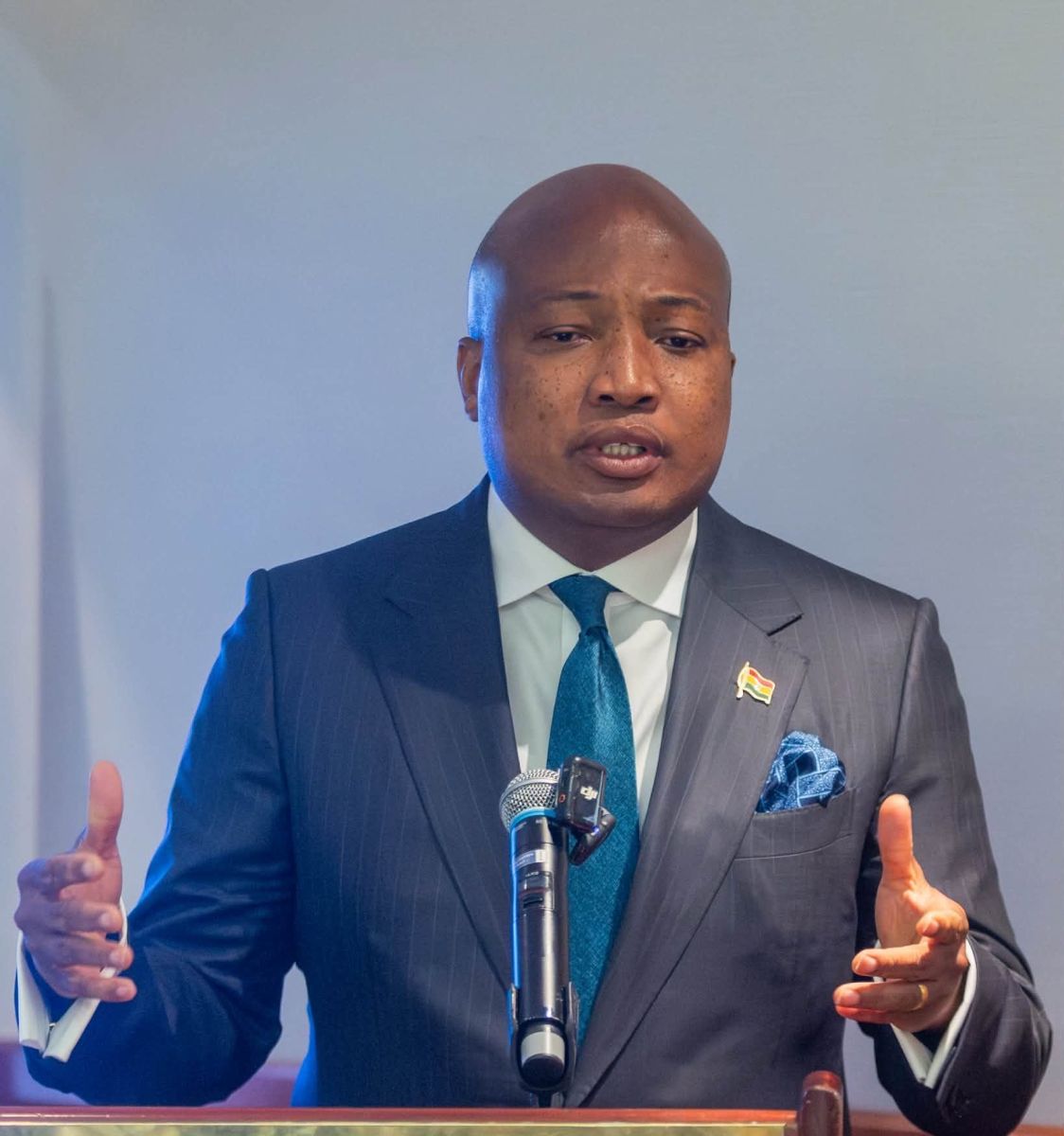
At the Commonwealth Business Forum in St John’s, Antigua and Barbuda, Foreign Affairs Minister Samuel Ablakwa announced Ghana’s bid to forge a formal partnership between the African Union (AU) and the Caribbean Community (CARICOM). The initiative, championed by President John Dramani Mahama, seeks to deepen trade and investment ties by linking the African Continental Free Trade Area (AfCFTA) with Caribbean economies.
Ablakwa said the partnership would build on historic and cultural links between the two regions, creating new markets, attracting investment and expanding business opportunities. He highlighted that closer ties could facilitate the movement of goods and people, generate jobs and help overcome longstanding trade barriers.
Speaking at the forum, the minister described Africa and the Caribbean as “one people, family” whose shared history should underpin stronger economic relations. He acknowledged the disruptive legacy of the trans‑Atlantic slave trade but noted that initiatives such as Ghana’s Year of Return, PANAFEST and joint calls for reparatory justice have helped rebuild connections.
“The relationship must now move beyond historical solidarity to practical economic cooperation that delivers tangible benefits to businesses and citizens,” Ablakwa said. He added that the Ministry of Foreign Affairs has begun examining the legal and institutional arrangements needed to establish an AU‑CARICOM partnership to advance the proposal.
President Mahama is expected to assume the African Union chairmanship in January 2027, and he is leading efforts to advance the proposal ahead of that appointment. The AfCFTA, which aims to create a single African market of about 1.4 billion people with a GDP of more than US$3 trillion, currently sees intra‑African trade at less than 10 percent of total trade, underscoring the need to accelerate implementation and strengthen Africa’s trading capacity.
Ghana’s proposal is the latest step in a broader strategy to link Africa’s growing market with Caribbean economies, potentially opening new avenues for trade, investment and cultural exchange.