The Bank of Ghana (BoG) has decided to maintain its policy rate at 14 per cent between May and September 2026, signalling a cautious stance aimed at consolidating recent inflation gains.
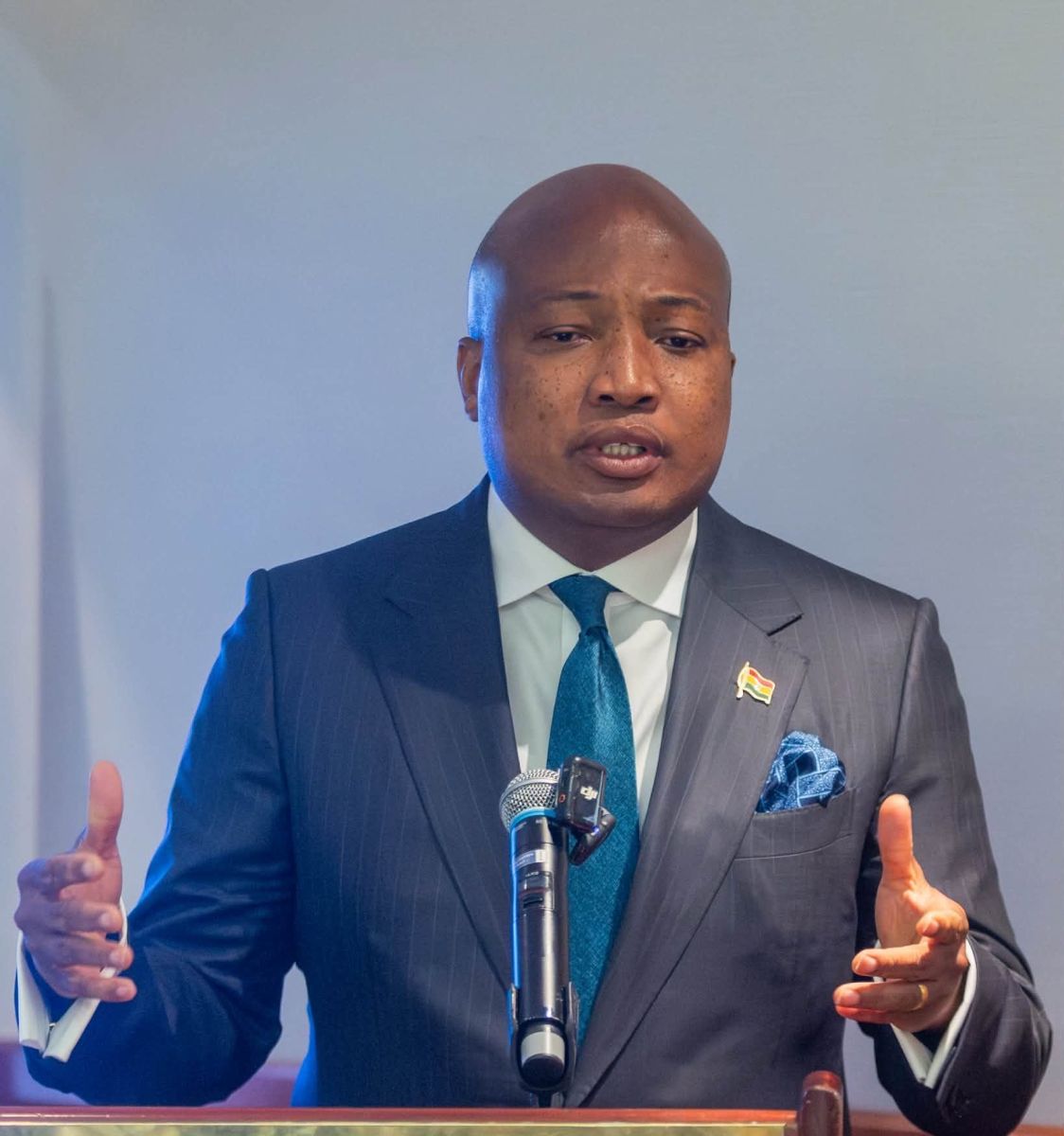
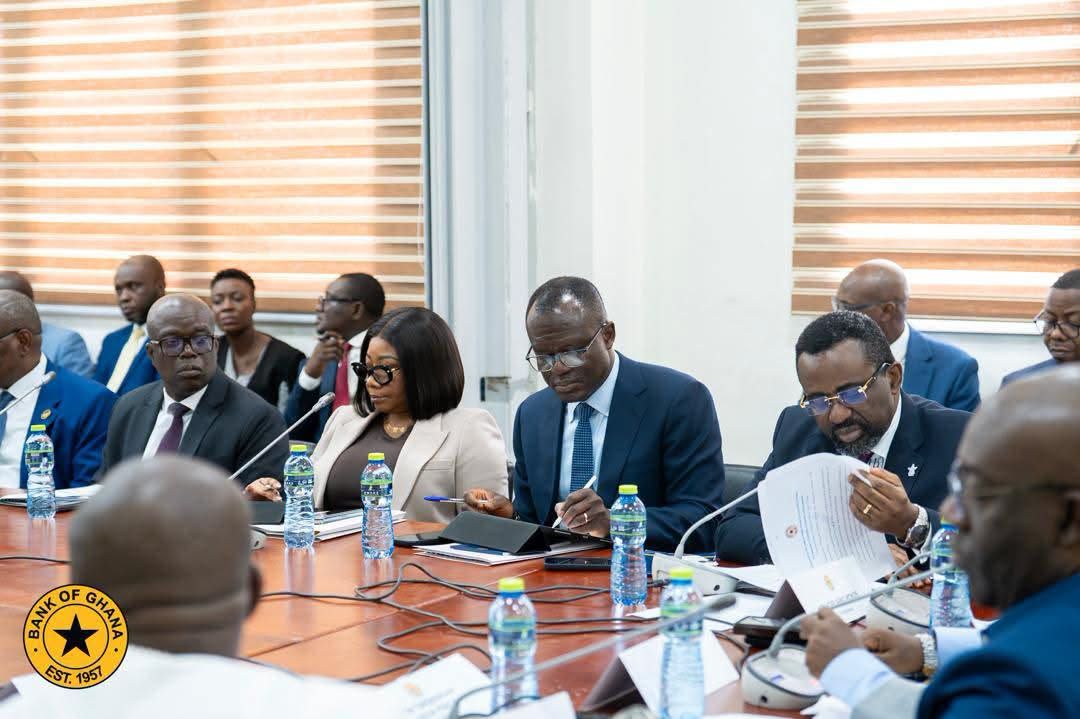
Governor Dr Johnson Asiama told Parliament’s Committee on Economy and Development on Friday, 6 November, that the pause in easing reflects the need to sustain progress in bringing inflation down without exposing the economy to renewed price pressures.
He noted that the first half of 2026 was a period of consolidation, during which the BoG achieved further monetary easing as inflation declined, but appropriately paused when external and domestic risks began to emerge.
The policy approach has supported continued economic growth, lower interest rates and stronger private‑sector credit, while the country recorded improvements in its external balances and the banking sector remained resilient.
At its September meeting, a majority of Monetary Policy Committee members cited external risks and concerns about rising inflation as key considerations behind the decision to keep the rate unchanged.
Inflation rose for a third consecutive month to 5.5 per cent in October 2026, up from 5.2 per cent in September and far below the BoG’s medium‑term target range of 6 to 10 per cent.
Dr Asiama highlighted movements in global oil prices, exchange‑rate fluctuations and domestic price adjustments as risks that could complicate the inflation outlook, and said the Bank will monitor these developments closely and take necessary policy actions to safeguard price stability.
He also underscored the Bank’s commitment to strengthening the operational and institutional foundations of monetary policy through more effective liquidity management, a transparent foreign‑exchange framework, reserve accumulation and reforms to restore the Bank’s financial position.