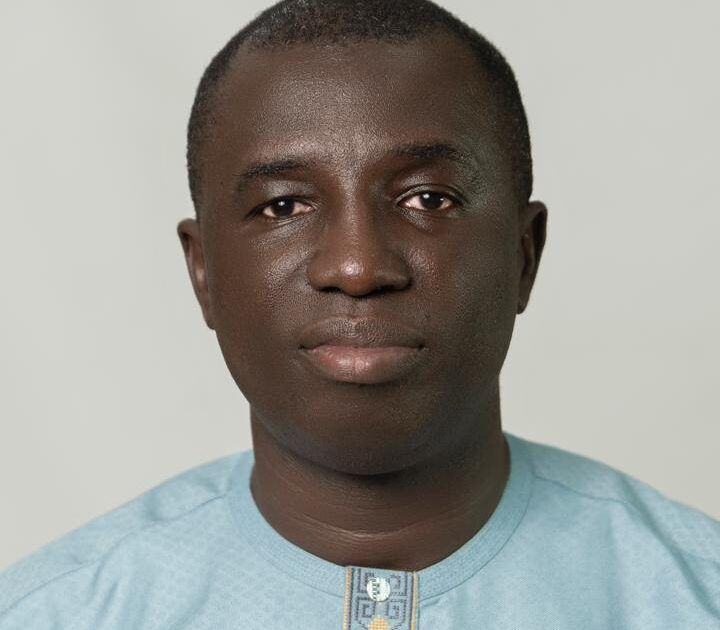
At a press briefing on Monday, September 7, Deputy Education Minister Dr Clement Apaak said the 2026 senior high school placement figures revealed a sharp mismatch between the number of candidates who chose Category A schools as their first preference and the vacancies actually available in those institutions.
According to the Deputy Minister, 313,283 candidates selected Category A schools as their first choice, compared with 176,614 who chose Category B schools, 123,577 who selected Category C schools, and only 995 who opted for participating private SHSs/SHTSs.
The system declared 859,828 vacancies across participating schools: 76,417 in Category A, 250,366 in Category B, and 468,652 in Category C.
Dr Apaak highlighted that the number of first‑choice applicants for Category A schools was more than four times the available spots. "While 313,283 candidates expressed a first preference for Category A schools, the declared vacancies in those schools stood at 76,417," he said.
He stressed that the issue is not a shortage of places in the secondary education system but a mismatch between where vacancies exist and where candidates most strongly prefer to be placed. "It is largely a mismatch between where vacancies exist and where candidates most strongly prefer to be placed," he added.
Category B and Category C schools together accounted for more than 719,000 declared vacancies yet received a considerably lower combined number of first‑choice selections. This imbalance means that having vacancies elsewhere in the system does not automatically translate into a place at a candidate's preferred school.
Dr Apaak urged candidates and parents to distinguish between qualifying for secondary education and securing a place at a particular school or programme. "This explains why a candidate may qualify for secondary education but not necessarily secure their preferred school or programme," he said.
As the placement process moves forward, stakeholders will need to address this imbalance to ensure students can access the schools they desire while maintaining a fair distribution of available spots.