
The Institution of Engineering and Technology Ghana (IET‑GH) has urged its members to uphold strict ethical standards and resist corruption, professional compromise and shortcuts in the execution of projects.
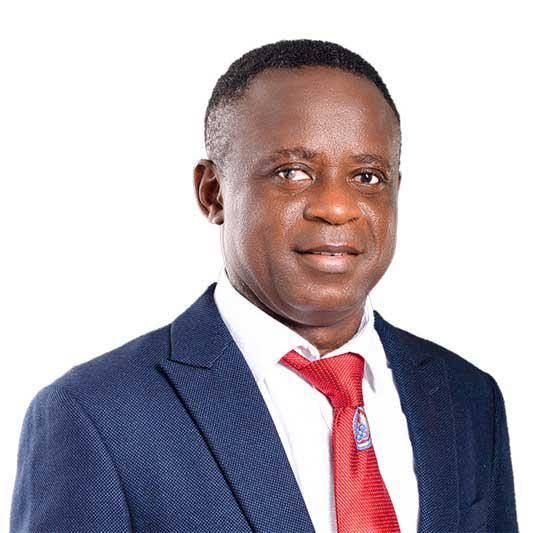
Engr. Wonder Salami Davor, president of the Institution, warned newly inducted engineers that compromising professional standards for profit could undermine public safety and derail Ghana’s development. “We must look at our situation and design engineering solutions that suit us. Again, your integrity must be solid. They should not compromise and fall for institutional corruption that is centred on profit‑taking and cutting corners,” he said.

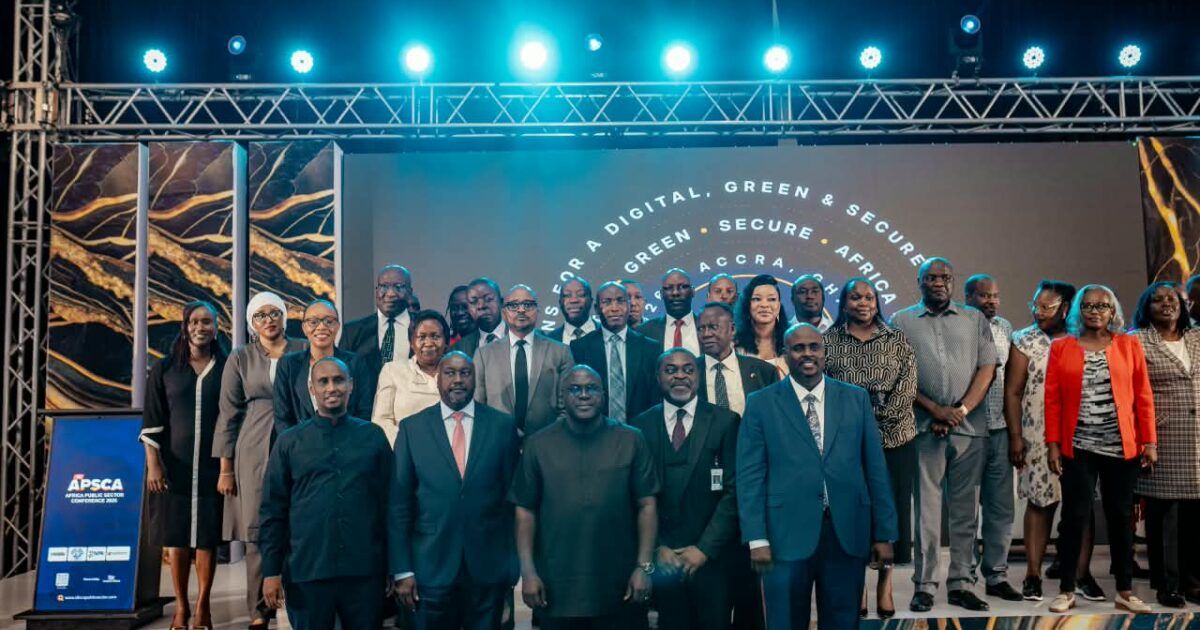
His remarks came at the induction ceremony of new members in the Middle Belt Sector, themed “Engineering Ghana’s Future, Innovation, Integrity, and Sustainable Development.” Stakeholders highlighted that Ghana faces energy insecurity, infrastructure deficits, environmental degradation, climate change and industrialisation, all of which require innovative and sustainable engineering solutions.
The call for professional integrity comes amid growing attrition of Ghanaian engineers, a trend the IET‑GH attributes partly to limited opportunities for local professionals to apply their expertise. Engr. Davor said that while foreign contractors often rely on local engineers for their competence, the lack of domestic projects forces trained engineers to seek better prospects abroad, resulting in a loss of talent for the country.
He urged government institutions and private developers to create more opportunities for local engineers to contribute to national development, warning that idle, certified engineers will leave, taking their skills overseas. “The attrition is a serious phenomenon because if we train them and certify them and they are idle, then they will leave with their talents and capabilities. And it’s the country that loses,” he said.

Prof. Julius Cudjoe Ahiekpor, dean of the Faculty of Engineering at Kumasi Technical University, also stressed the need for engineers to protect professional standards in national projects. He called for the rejection of substandard materials, shortcuts and practices that place personal interests above the public good, insisting that quality standards must be held at all times.
As Ghana seeks to accelerate its development, the IET‑GH’s message underscores the importance of ethical engineering practice and the creation of a robust local engineering sector to safeguard public interest and national progress.