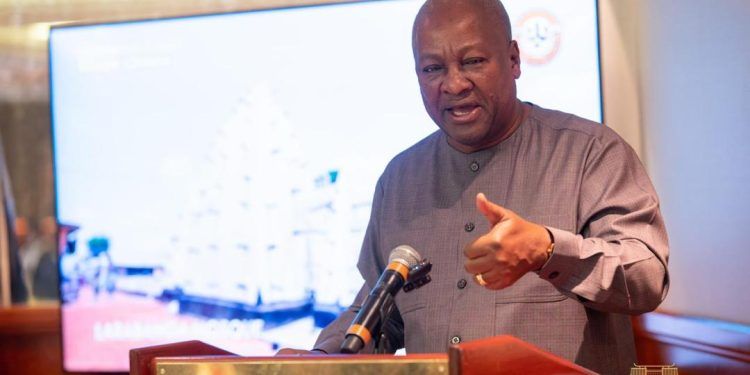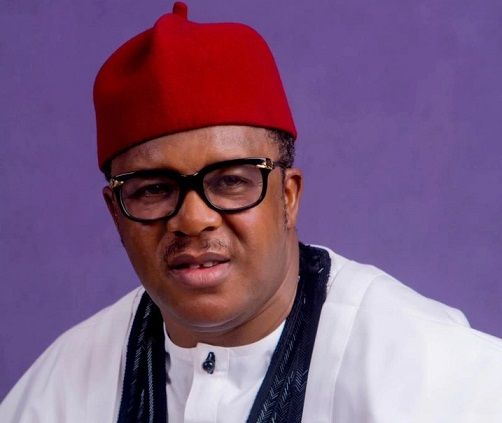
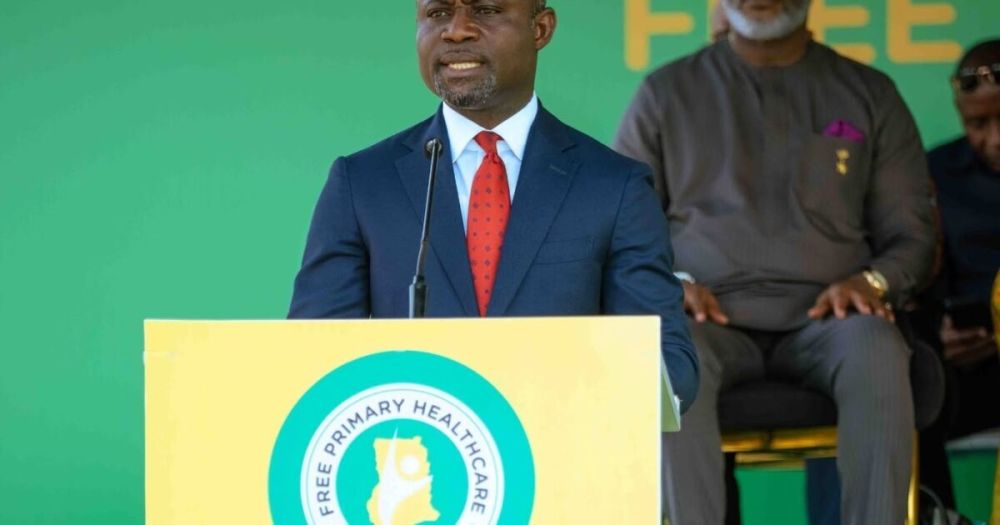
Ghana’s Health Minister, Kwabena Mintah Akandoh, announced that the Free Primary Healthcare programme now operates in 135 of the country’s 216 districts, covering all 16 regions. The expansion follows the launch of the initiative in April by former President John Mahama.
"Free primary healthcare goes live across 135 districts in this country," the minister told reporters. He added that the government is still working toward the first‑phase target of 150 districts, which is slated for completion by the end of 2026.
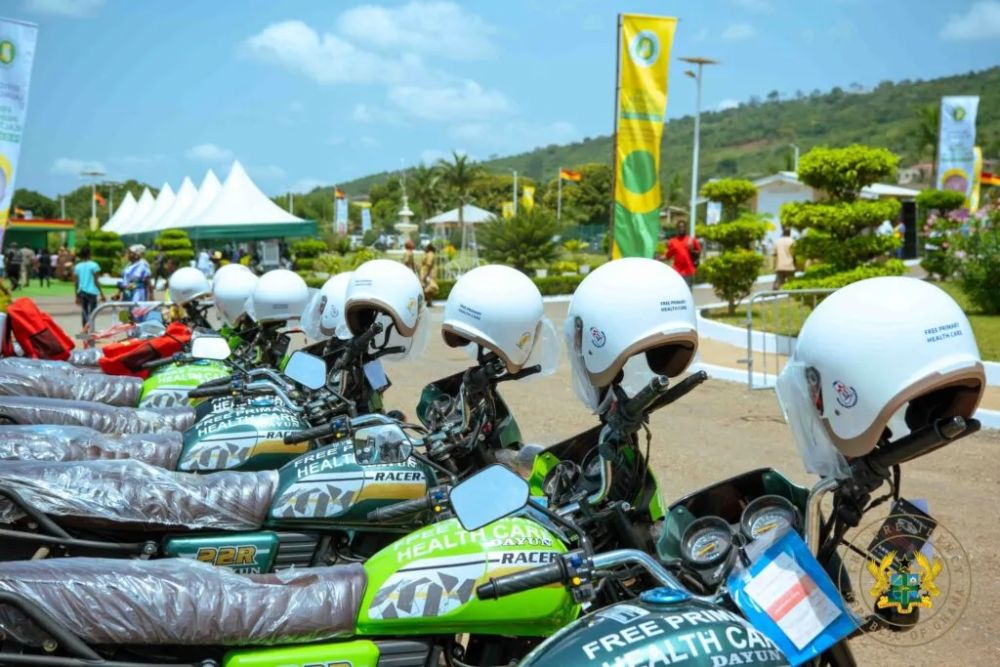
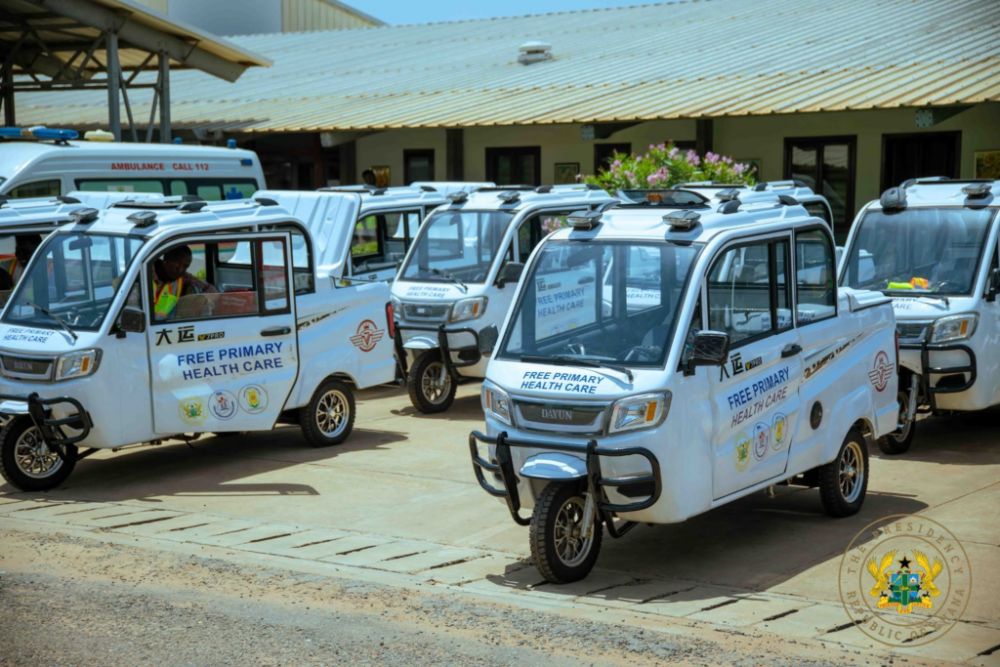
Health services are being delivered through 4,574 health facilities nationwide, bringing basic care closer to communities. A key component of the programme is preventive care, with health workers conducting house‑to‑house visits to identify health concerns early and encourage timely treatment.
To support these visits, the ministry has received roughly 5,000 kits containing essential equipment for community health workers. "These kits contain the basic equipment that will aid the house‑to‑house visits," Akandoh said.
The government is also warning health workers against demanding payment from beneficiaries for services that are free under the programme. Any worker who charges could face sanctions, including suspension, and the ministry will provide a short code or telephone number for complaints. "If any health worker demands any Ghanaian any money, please report," the minister urged.
In addition to the expansion, the ministry plans to recruit voluntary health professionals to support permanent staff. The volunteers will not be part of the regular permanent recruitment but will receive priority when a major recruitment exercise takes place. "We are going to do another recruitment, but in this case not permanent recruitment. It's going to be voluntary recruitment to aid in, I mean, to assist the permanent workers," Akandoh explained.
With the programme now covering more than half of Ghana’s districts, the government aims to strengthen primary healthcare and preventive services, especially in underserved areas, and to achieve nationwide coverage by the end of 2027.