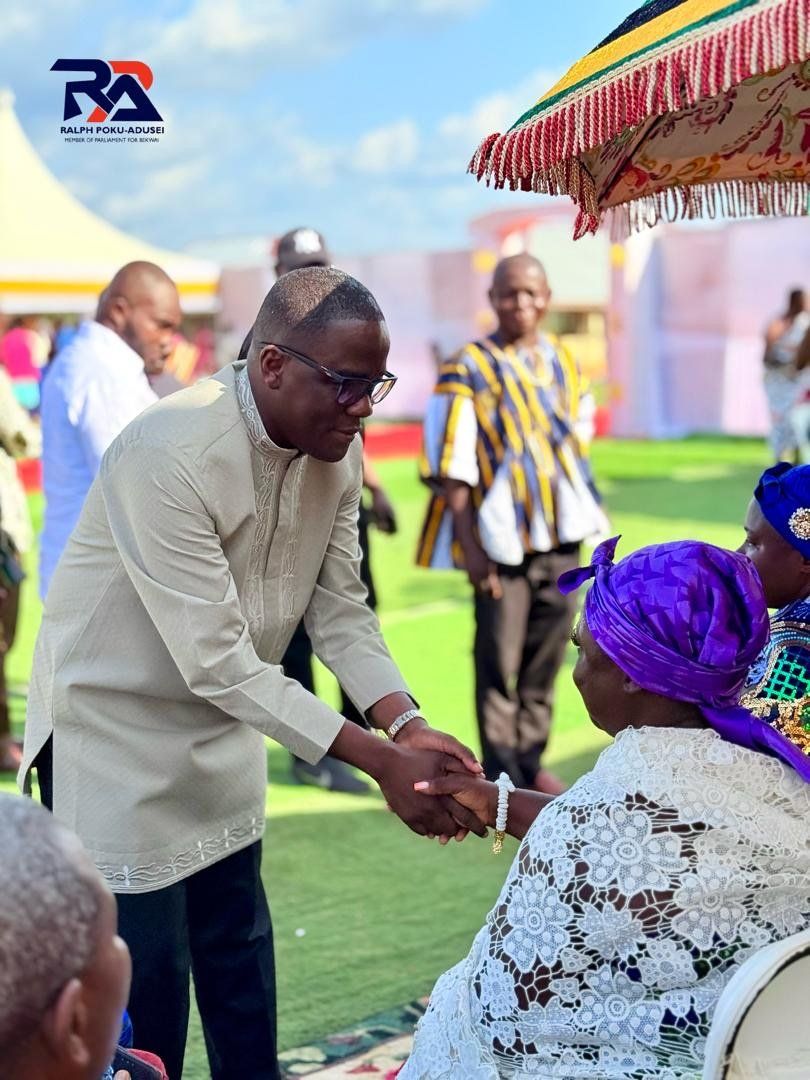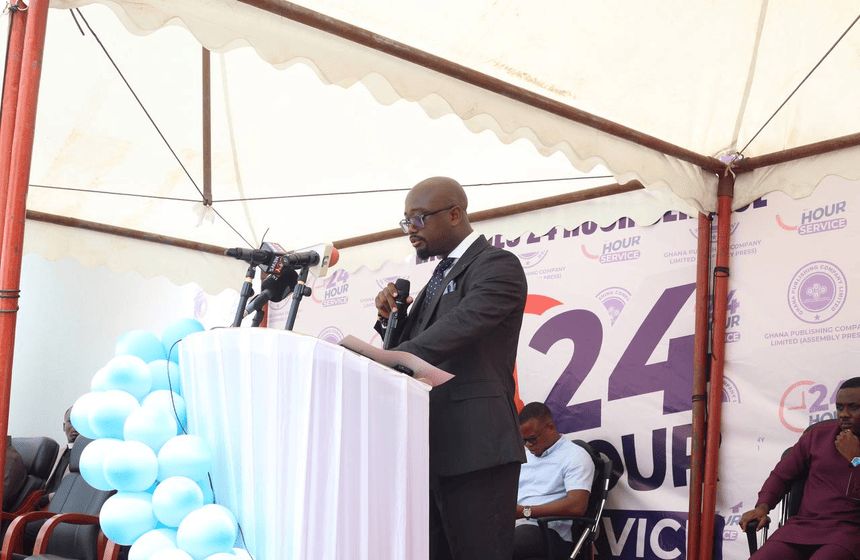
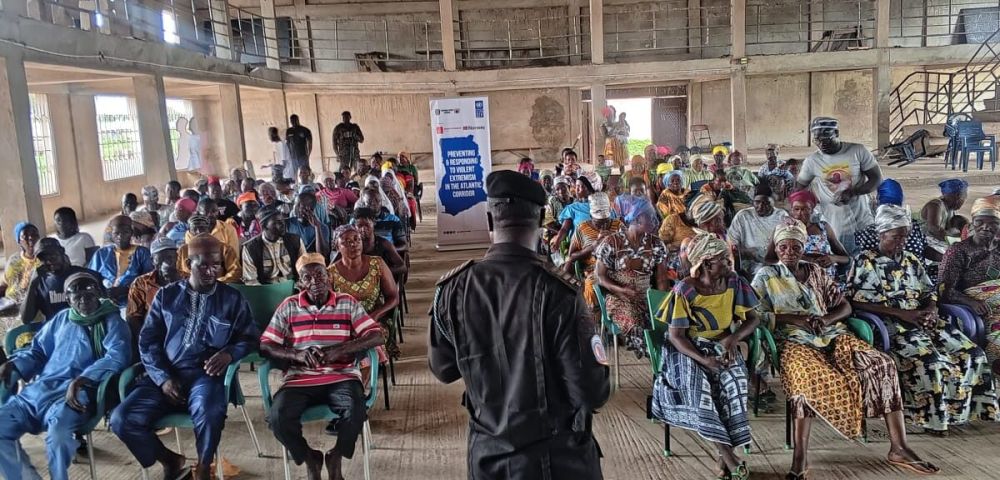
During a Civilian‑Security Dialogue organised by the National Peace Council, police, immigration and intelligence officials urged residents of Naaga and surrounding villages in Kassena Nankana Municipality to volunteer timely and credible information to help prevent crime and counter violent extremism.
How the Dialogue Unfolded
The meeting, attended by over 100 locals, was part of the Atlantic Corridor Project “Preventing and Responding to Violent Extremism in the Atlantic Corridor,” funded by Denmark and Norway through the United Nations Development Programme.
Key Messages from Security Leaders
Assistant Commissioner Daniel Anane Amoah, Navrongo Divisional Police Commander, said civilians are often the first to spot suspicious activities. “Peace is priceless and could only be maintained through deliberate efforts, coordination, and collaboration between civilians and security agencies, so we urge you not to remain silent when you observe activities that could threaten the peace we are enjoying,” he added.
Assistant Superintendent Jerry Attipoe of the Ghana Immigration Service highlighted the porous borders and the threat from neighbouring Burkina Faso and Niger. He urged residents to report suspicious movements to help curb extremist influence.
Victor Ame‑Abo Akanbonga, NACSA Upper East Regional Programme Officer, warned that illicit firearms fuel extremist groups and that civilian tips are vital to dismantling weapon networks.
Marshal Abuchow of the Narcotics Control Commission linked drug abuse to violent crime and urged young people to steer clear of substances while supporting community vigilance.
Building Trust and Collaboration
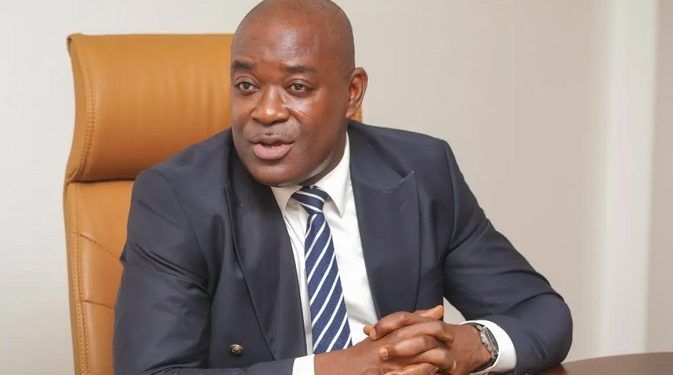
Damien Asobayire, Executive Secretary of the National Peace Council, said the dialogue aimed to build trust and give residents a clear understanding of their role in preventing extremism while allowing security agencies to hear community concerns.
Officials said the initiative will continue to encourage open communication, with residents encouraged to contact local police or immigration officers with any information that could aid investigations.