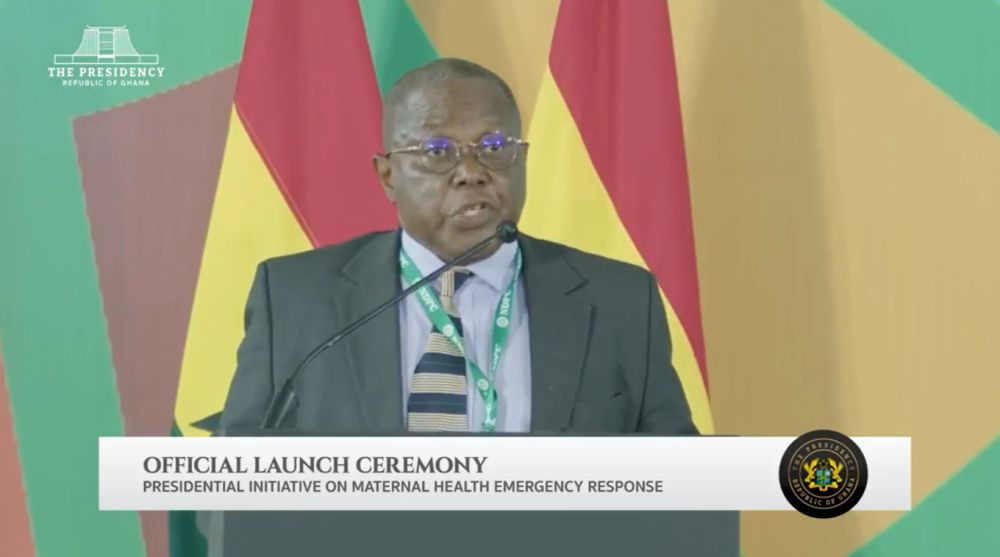
Deputy Minister for Health Dr Grace Ayensu‑Danquah disclosed that roughly 70 percent of maternal deaths in Ghana are concentrated in 11 regions, with the Ashanti Region reporting the highest number, followed by Greater Accra. The data, presented at the official launch of the Presidential Initiative on Maternal Health Emergency Response (PRIMER), under the theme “No Woman Should Die While Giving Life,” will guide the government’s targeted interventions.
PRIMER treats maternal death as an emergency, aiming to accelerate political and operational action to reverse Ghana’s stagnant maternal mortality rate, which has plateaued at 234 deaths per 100,000 live births since 2022. A review of 53 policies and documents dating back to 1973 underscored the need for a more focused approach.
The initiative will initially focus on 11 regions, 11 hospitals, 164 districts and 27 key facilities identified as requiring intervention. In 2025, institutional maternal deaths stood at 965, with most occurring at referral hospitals after women were sent from primary care facilities.
Ayensu‑Danquah highlighted gaps in early identification of high‑risk pregnancies and the referral system at the primary level, noting that conditions such as severe anaemia and high blood pressure were sometimes missed, leading to fatal delays. She also cited shortages of critical care equipment, including high‑dependency and intensive care units, cardiotocography machines, ultrasound equipment, and blood supplies.
PRIMER’s clinical and operational pillar targets a 20 percent annual reduction in maternal mortality over the next three years, aligning with Ghana’s Universal Health Coverage and Sustainable Development Goal targets for 2030. The programme will commence in the Ashanti Region and involve engagements with political and medical leaders, as well as communities, to tackle region‑specific challenges.