Lawrence Abison, 25, walks along the Likhubula River, stopping every few metres to inspect the dwindling grass before cutting it with a sickle. Together with three friends, he works through the morning, tying bundles and carrying them uphill before returning to the river for more. After two hours, they have enough to feed ten cattle for a day.
Later that afternoon, dozens of men carrying bundles of grass can be seen around Chitakale in Mulanje district, having come from different directions in search of fodder for farms across the area. “It’s very hard to find the grass these days; that’s why we have travelled this long distance,” Abison told Al Jazeera, sweating. “Even here, the grass is not enough for a week, and we need to proceed farther.”
The Likhubula River, fed by Mount Mulanje, has become shallower and its banks sparser of trees and grass, according to local residents. The changes are felt most acutely by farmers who rely on the river for both water and feed. Malawi’s Department of Climate Change and Meteorological Services warned of below‑normal rainfall and prolonged dry spells in the 2023/24 season, with El Niño affecting southern Africa’s patterns.
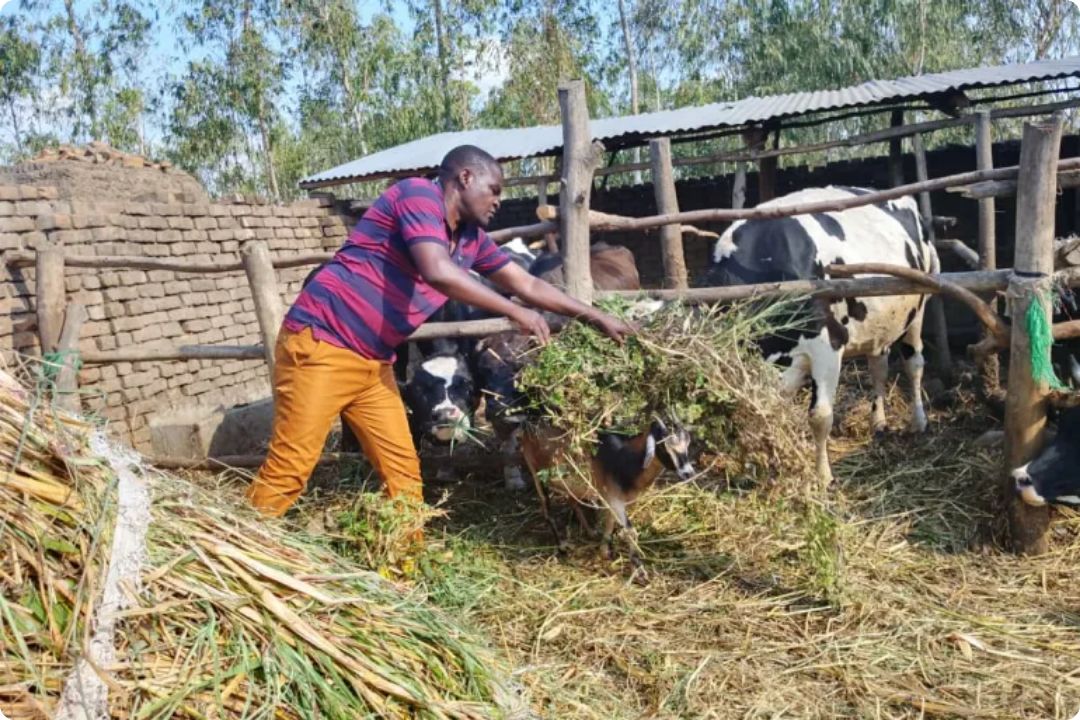
Macdonald Khandalawo, 54, who keeps ten cattle in Nsanjama, says the cost of keeping the animals has risen as grass becomes harder to find. “After the rains have stopped, we look for the grass around here, but due to the change in climate there has been scarcity of grass. That is why we send these boys to those rivers,” he said. The lack of feed has reduced his cows’ milk production, and maize bran, a common supplement, is now scarce and expensive.
Khandalawo, treasurer of the New Thuchira Milk Bulking Group, notes that the group’s monthly earnings of over one million Malawi kwacha are now largely spent on fodder gatherers and maize bran. He is unsure how long he can maintain his herd under current conditions. Meanwhile, Batson Kweluza of Supuni Village and Alefa Saulo of Nkando report similar losses, noting that the river’s vegetation has vanished and cattle are losing weight.
With the drought persisting, farmers are racing to secure feed before the rains arrive. The situation threatens not only livelihoods but also the wider dairy supply chain in the region.